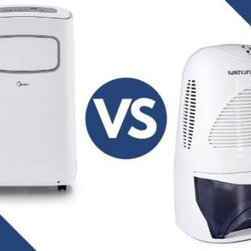


Dehumidifiers vs floor dryers: when to use each
Water damage can happen to your home at any time. Knowing what equipment to use will save you thousands of dollars and eliminate future issues.
Sometimes homeowners wonder if they should get a dehumidifier or floor dryer after water hits their home.
Keep reading to learn which one to use when.
What Is a Dehumidifier?
A dehumidifier extracts water from the air around it. You plug it into the wall, and it does its job quietly in the background. Water condenses on a cold coil as humid air is sucked into the machine. Afterward, the water drips into a tank or is pumped out by hose.
Dehumidifiers come in all sizes from small closet models to whole basement systems. That is why homeowners like them so they can control moisture in their homes daily.
What Is a Floor Dryer?
Floor dryers are very large industrial fans with one purpose: drying floors as quickly as possible. Therefore, you usually see them after floods and serious water incidents. When pipe bursts or big leaks happen, you need all the help you can get to dry your floors quickly. Floor dryers push an incredible amount of air onto floors, walls, and carpets.
Floor dryers look like enormous fans. As a result, they are much louder than a dehumidifier. On the bright side, they can dry materials in a matter of hours rather than days.
How Do They Differ?
Knowing the difference between the two will help you decide what you need. Dehumidifiers dry the air. They suck moisture from the air in the room therefore decreasing humidity. Because of this decrease, they can help with musty smells and mold buildup over time.
Floor dryers blast wet surfaces with large amounts of air. Therefore, they force moisture out of carpet, carpet padding, and floor materials. The air moving over these surfaces causes water to evaporate. However, you will now need something to dry the air.
The floor dryer is adding moisture to the air, and the dehumidifier is taking it out. Therefore, in professional water restoration, they always use both at the same time.
When to Use a Dehumidifier
There are many times you should grab a dehumidifier. First, if you notice your home is constantly damp but you do not see any water, use a dehumidifier. Basements are the perfect example of this. They are usually damp and have a musty odor. A dehumidifier can keep the room comfortable for you and your family.
Second, try using a dehumidifier if you have a small spill or leak. Let’s say you knocked over a gallon of water onto your kitchen floor. You cleaned up the spill but now your kitchen feels like a rainforest. Due to excess moisture, you could potentially have mold growing in that kitchen as fast as 24 to 48 hours. If you run a dehumidifier, you can avoid that issue.
Third, a dehumidifier is great for everyday use if you live in Houston or another humid city. Therefore, your home may always feel like a sticky environment. A dehumidifier helps your air conditioner run more efficiently and keeps you comfortable.
You should always use a dehumidifier if you want to take preventative measures. If you live in an area where you notice moisture build up often, buy a dehumidifier. Some common areas are crawl spaces, laundry rooms, and basements. Using a dehumidifier can help prevent moisture problems.
When to Use Floor Dryers
Floor dryers are your best friend when you have serious water problems in your home. When flooding or a burst pipe occurs, you will most likely have standing water or soaked up carpets. When this happens, you need to attack the drying process as quickly as possible.
Floor dryers come in handy when your carpets, carpet padding, hardwood floors, and drywall soak up too much water. Air drying can take weeks to completely dry your home. Floor dryers can cut that time down significantly.
You will need floor dryers any time you have sewage backups or flooding in your home. Due to contamination, everything must be dried quickly and properly to prevent health problems. The quicker you can dry your home, the less will have to be replaced.
Time is critical when dealing with water. Therefore, you must use floor dryers within the first 24 hours of water damage. If you don’t, you will more than likely have to replace your flooring.
Using Both
Professional water restoration companies use both floor dryers and dehumidifiers. You may ask why? Floor dryers help push moisture out of carpet, padding, and floors. Therefore, it is throwing moisture into the air! If you don’t have a dehumidifier running, that moisture will settle right back into your home.
Using dehumidifiers and floor dryers together create a one-of-a-kind drying system. Floor dryers push air onto all surfaces and help evaporate the water that is pulled into these items. A dehumidifier will then suck that water out of the air and dry your home.
Floor dryers and dehumidifiers can be rented from your local hardware store. Therefore, if you have minor flood damage you can take care of it yourself. Once water starts reaching your ceilings, it is time to call a professional!
Cost
Home Dehumidifiers can range from $150 to $400. Depending on the quality of dehumidifier you want for your home. They are a great investment if you want to control moisture long term. As far as utility costs go, they usually cost between $20 to $30 per month.
Floor dryers start at $200 and can go up to $600 for commercial use. Therefore, most people rent floor dryers when they need them. Daily rental rates are $30 to $50 per day. Due to this high price, you only want to rent them when you need them. Renting floor dryers is usually covered by insurance after a water incident. Check with your insurance company before you spend money that you do not have to.
Case Study: Dehumidifiers and Floor Dryers Used Together After Residential Water Damage
Homeowner / Property Type: Single-family residence
Water Damage Incident: Washing machine hose break
Category of water damage: Clean water (Category 1)
Rooms affected: Kitchen, hallway, living room
Equipment utilized: Floor dryers (air movers) and refrigerant dehumidifier
Background
Upon returning home from work one day, a homeowner discovered that their washing machine’s supply line had ruptured and flooded their kitchen, as well as seeped into adjoining carpeted rooms. The standing water was extracted, but carpet padding and bottom layers of drywall had absorbed moisture.
If the house was not dried out soon, mold would begin to grow and floors would be ruined.
Drying Process
After technicians extracted the bulk of the standing water, several floor dryers were brought into place at a low angle. Angled across carpets, baseboards and walls, the air movers would force moisture out of wet materials and speed up evaporation.
As moisture evaporated off of wet surfaces, humidity levels inside the home would rise. To remove that moisture from the air and prevent it from redepositing onto floors and walls, a refrigerant dehumidifier was set up and ran continuously. All windows and doors were kept closed to contain the dry air.
Outcome:
Lesson Learned
This example illustrates how floor dryers and dehumidifiers work together to dry out water damage. Floor dryers don’t remove moisture from the air; they force water out of wet building materials by accelerating evaporation. Dehumidifiers remove moisture from the air. When operating together, they create a comprehensive drying system.
Looking for more proof that air movers and dehumidifiers should be used together to dry water damage?
FAQs
Can I rent a dehumidifier and not use a floor dryer?
A dehumidifier can extract moisture from the air, but it will not dry out carpets or flooring by itself. Many people make the mistake of thinking they can do without a floor dryer. Without airflow to force water out of wet materials, drying will take significantly longer.
Can’t I just use floor dryers?
Floor dryers will dry out buildings faster than no equipment at all, but they should never be used by themselves. Air movers increase humidity levels as they force moisture out of floors and walls. Without a dehumidifier to remove that moisture from the air, it will simply settle right back onto surfaces.
How long do I have to dry out water damage?
Ideally, drying should commence within 24 hours of water discovery. The longer water damage is allowed to sit before drying, the greater the chance for mold growth and property damage.
How long does it take to dry water damage?
Water damage can take anywhere from 2-5 days to fully dry, depending on the severity of the situation. Hundreds or thousands of gallons of water will take significantly longer to dry than a small spill from a broken pipe.
Do I need to call professionals for small floods?
If water has soaked into carpet, walls, or ceilings, or if multiple rooms are affected, we recommend hiring a professional water restoration company. Small floods can usually be handled by yourself with the proper rental equipment. If there is any doubt, always call a professional.
Will my insurance cover the cost of drying equipment?
Rental equipment and professional water restoration are covered by many homeowners insurance policies in the event of sudden water damage. Call your insurance provider to find out for sure.
Final Words
You now know when to use a dehumidifier vs floor dryer. Dehumidifiers are for preventative measures and used on a daily basis. Floor dryers are used when you have water emergencies in your home. Take the situation into hand and decide what you need to keep your home dry and safe.
Sometimes homeowners wonder if they should get a dehumidifier or floor dryer after water hits their home.
Keep reading to learn which one to use when.
What Is a Dehumidifier?
A dehumidifier extracts water from the air around it. You plug it into the wall, and it does its job quietly in the background. Water condenses on a cold coil as humid air is sucked into the machine. Afterward, the water drips into a tank or is pumped out by hose.
Dehumidifiers come in all sizes from small closet models to whole basement systems. That is why homeowners like them so they can control moisture in their homes daily.
What Is a Floor Dryer?
Floor dryers are very large industrial fans with one purpose: drying floors as quickly as possible. Therefore, you usually see them after floods and serious water incidents. When pipe bursts or big leaks happen, you need all the help you can get to dry your floors quickly. Floor dryers push an incredible amount of air onto floors, walls, and carpets.
Floor dryers look like enormous fans. As a result, they are much louder than a dehumidifier. On the bright side, they can dry materials in a matter of hours rather than days.
How Do They Differ?
Knowing the difference between the two will help you decide what you need. Dehumidifiers dry the air. They suck moisture from the air in the room therefore decreasing humidity. Because of this decrease, they can help with musty smells and mold buildup over time.
Floor dryers blast wet surfaces with large amounts of air. Therefore, they force moisture out of carpet, carpet padding, and floor materials. The air moving over these surfaces causes water to evaporate. However, you will now need something to dry the air.
The floor dryer is adding moisture to the air, and the dehumidifier is taking it out. Therefore, in professional water restoration, they always use both at the same time.
When to Use a Dehumidifier
There are many times you should grab a dehumidifier. First, if you notice your home is constantly damp but you do not see any water, use a dehumidifier. Basements are the perfect example of this. They are usually damp and have a musty odor. A dehumidifier can keep the room comfortable for you and your family.
Second, try using a dehumidifier if you have a small spill or leak. Let’s say you knocked over a gallon of water onto your kitchen floor. You cleaned up the spill but now your kitchen feels like a rainforest. Due to excess moisture, you could potentially have mold growing in that kitchen as fast as 24 to 48 hours. If you run a dehumidifier, you can avoid that issue.
Third, a dehumidifier is great for everyday use if you live in Houston or another humid city. Therefore, your home may always feel like a sticky environment. A dehumidifier helps your air conditioner run more efficiently and keeps you comfortable.
You should always use a dehumidifier if you want to take preventative measures. If you live in an area where you notice moisture build up often, buy a dehumidifier. Some common areas are crawl spaces, laundry rooms, and basements. Using a dehumidifier can help prevent moisture problems.
When to Use Floor Dryers
Floor dryers are your best friend when you have serious water problems in your home. When flooding or a burst pipe occurs, you will most likely have standing water or soaked up carpets. When this happens, you need to attack the drying process as quickly as possible.
Floor dryers come in handy when your carpets, carpet padding, hardwood floors, and drywall soak up too much water. Air drying can take weeks to completely dry your home. Floor dryers can cut that time down significantly.
You will need floor dryers any time you have sewage backups or flooding in your home. Due to contamination, everything must be dried quickly and properly to prevent health problems. The quicker you can dry your home, the less will have to be replaced.
Time is critical when dealing with water. Therefore, you must use floor dryers within the first 24 hours of water damage. If you don’t, you will more than likely have to replace your flooring.
Using Both
Professional water restoration companies use both floor dryers and dehumidifiers. You may ask why? Floor dryers help push moisture out of carpet, padding, and floors. Therefore, it is throwing moisture into the air! If you don’t have a dehumidifier running, that moisture will settle right back into your home.
Using dehumidifiers and floor dryers together create a one-of-a-kind drying system. Floor dryers push air onto all surfaces and help evaporate the water that is pulled into these items. A dehumidifier will then suck that water out of the air and dry your home.
Floor dryers and dehumidifiers can be rented from your local hardware store. Therefore, if you have minor flood damage you can take care of it yourself. Once water starts reaching your ceilings, it is time to call a professional!
Cost
Home Dehumidifiers can range from $150 to $400. Depending on the quality of dehumidifier you want for your home. They are a great investment if you want to control moisture long term. As far as utility costs go, they usually cost between $20 to $30 per month.
Floor dryers start at $200 and can go up to $600 for commercial use. Therefore, most people rent floor dryers when they need them. Daily rental rates are $30 to $50 per day. Due to this high price, you only want to rent them when you need them. Renting floor dryers is usually covered by insurance after a water incident. Check with your insurance company before you spend money that you do not have to.
Case Study: Dehumidifiers and Floor Dryers Used Together After Residential Water Damage
Homeowner / Property Type: Single-family residence
Water Damage Incident: Washing machine hose break
Category of water damage: Clean water (Category 1)
Rooms affected: Kitchen, hallway, living room
Equipment utilized: Floor dryers (air movers) and refrigerant dehumidifier
Background
Upon returning home from work one day, a homeowner discovered that their washing machine’s supply line had ruptured and flooded their kitchen, as well as seeped into adjoining carpeted rooms. The standing water was extracted, but carpet padding and bottom layers of drywall had absorbed moisture.
If the house was not dried out soon, mold would begin to grow and floors would be ruined.
Drying Process
After technicians extracted the bulk of the standing water, several floor dryers were brought into place at a low angle. Angled across carpets, baseboards and walls, the air movers would force moisture out of wet materials and speed up evaporation.
As moisture evaporated off of wet surfaces, humidity levels inside the home would rise. To remove that moisture from the air and prevent it from redepositing onto floors and walls, a refrigerant dehumidifier was set up and ran continuously. All windows and doors were kept closed to contain the dry air.
Outcome:
- Carpets and padding dried out in under 72 hours
- Indoor humidity levels were restored to normal
- No mold developed or musty odors appeared
- Floors and drywall were saved
- Expensive replacement costs were avoided
Lesson Learned
This example illustrates how floor dryers and dehumidifiers work together to dry out water damage. Floor dryers don’t remove moisture from the air; they force water out of wet building materials by accelerating evaporation. Dehumidifiers remove moisture from the air. When operating together, they create a comprehensive drying system.
Looking for more proof that air movers and dehumidifiers should be used together to dry water damage?
FAQs
Can I rent a dehumidifier and not use a floor dryer?
A dehumidifier can extract moisture from the air, but it will not dry out carpets or flooring by itself. Many people make the mistake of thinking they can do without a floor dryer. Without airflow to force water out of wet materials, drying will take significantly longer.
Can’t I just use floor dryers?
Floor dryers will dry out buildings faster than no equipment at all, but they should never be used by themselves. Air movers increase humidity levels as they force moisture out of floors and walls. Without a dehumidifier to remove that moisture from the air, it will simply settle right back onto surfaces.
How long do I have to dry out water damage?
Ideally, drying should commence within 24 hours of water discovery. The longer water damage is allowed to sit before drying, the greater the chance for mold growth and property damage.
How long does it take to dry water damage?
Water damage can take anywhere from 2-5 days to fully dry, depending on the severity of the situation. Hundreds or thousands of gallons of water will take significantly longer to dry than a small spill from a broken pipe.
Do I need to call professionals for small floods?
If water has soaked into carpet, walls, or ceilings, or if multiple rooms are affected, we recommend hiring a professional water restoration company. Small floods can usually be handled by yourself with the proper rental equipment. If there is any doubt, always call a professional.
Will my insurance cover the cost of drying equipment?
Rental equipment and professional water restoration are covered by many homeowners insurance policies in the event of sudden water damage. Call your insurance provider to find out for sure.
Final Words
You now know when to use a dehumidifier vs floor dryer. Dehumidifiers are for preventative measures and used on a daily basis. Floor dryers are used when you have water emergencies in your home. Take the situation into hand and decide what you need to keep your home dry and safe.