
The Hive Graffiti Apartments
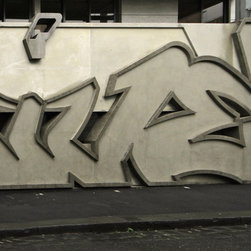
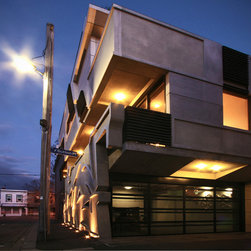
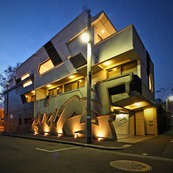
The Hive Graffiti Apartments were designed by architect Zvi Belling of ITN Architects. This site was specifically selected for a graffiti/architecture project. The ideas in the building were refined over time by the designer in prior competitions, publications and collaborations with street artists. The architect developed the project with Prowla, a respected old school Melbourne graffiti ‘writer’ who contributed the design of the graffiti letters. The external precast concrete walls of the apartments are inscribed with these letters and other hip hop iconography.
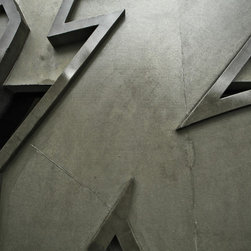
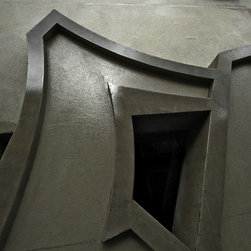
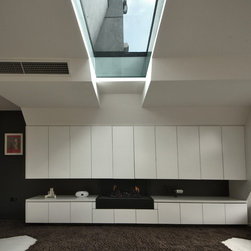
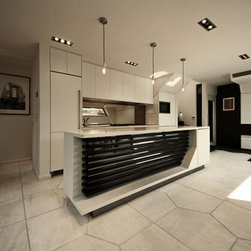
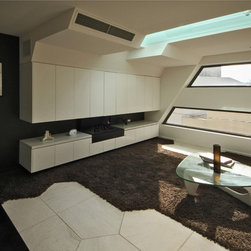
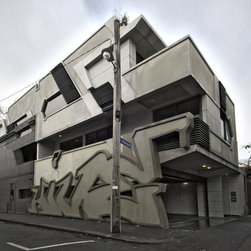
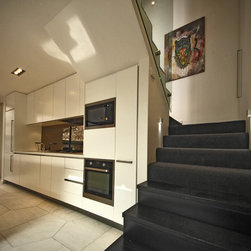
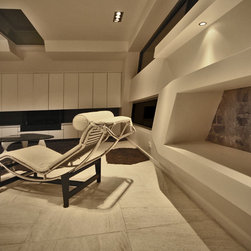
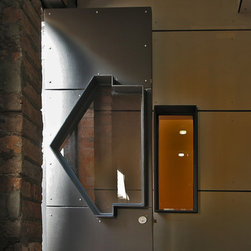
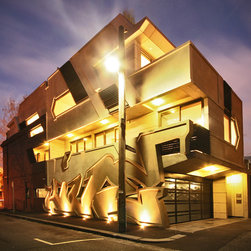
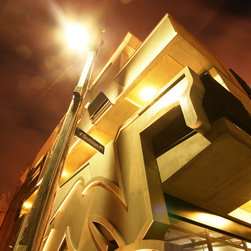
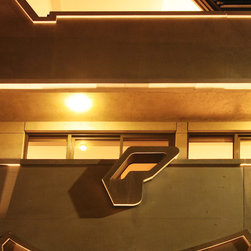
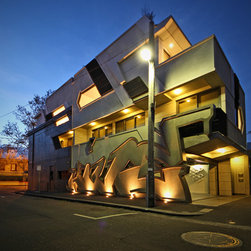
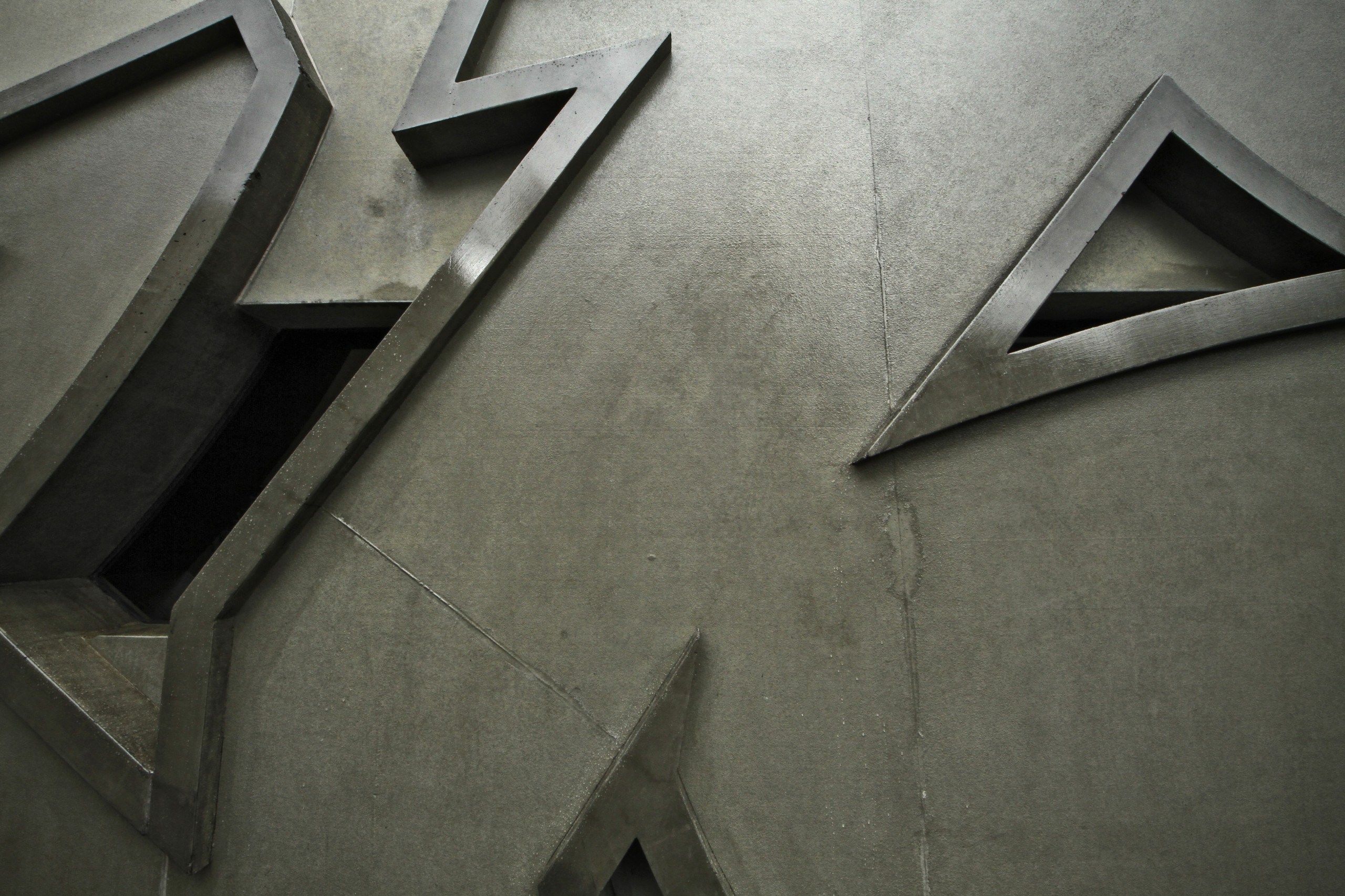
The graffiti relief panel spells HIVE written in ‘wild style’. Some initiation into the cultural codification of letters being may be required to decipher the words. These external geometries directly determine the interiors and have been extruded into living spaces through bulkheads and wall shapes. There are inherent tensions in the building where graffiti complete with spray drip effect has been created without any paint has been situated in an exclusive inner city residential suburb. These tensions are resolving over time as respect for the building spread has spread within the graffiti community and as the local residents begin to claim ownership of their new street art. The outward presentation of robust public art fortifies the internal spaces as a calm refuge that is adorned with street art frames and canvasses. The notion of hive as home has been extracted from the facade and reappears through the fitout in various guises.
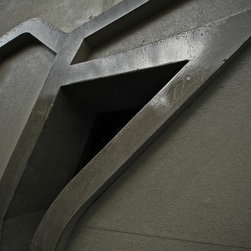
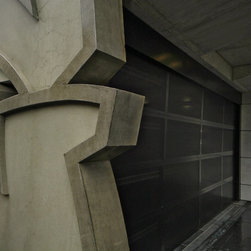
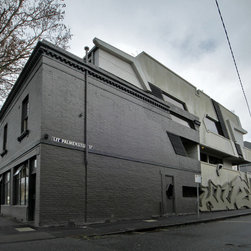
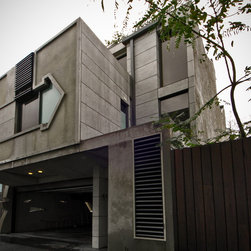
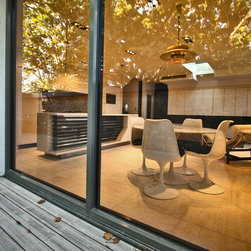
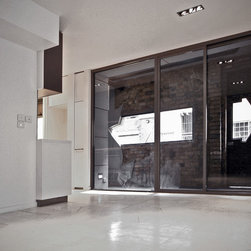
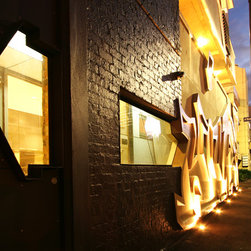
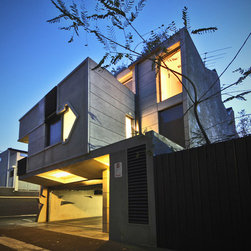
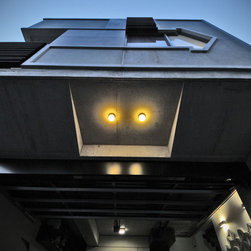
The concrete relief façade containing shapes such as letters, arrows, swooshes and drips has been slotted into the exposed brickwork shell of an old Carlton tailor shop. It was important for the street art to be essential to the experience of the building inside and out. The 4m high concrete letters are load bearing with the weight of all four stories transferring to the ground through the oversized letter ‘E’ and simultaneously creating a dramatic visual entry to the apartment. Similarly the punctuations in the facades allow interesting views and natural light opportunities within the habitable spaces.
The graffiti letters were initially conceived of as a masonry element until concrete was adopted for the façade and by extension as the structural system for the entire building. Logistical innovation was required to install the 4m high, 14 tonne load bearing 50mpa letter panels at the commencement of the program and protect these feature panels through the construction period. The architect and the graffiti artist were involved with the
setup, concrete pour and delivery phases of the panel fabrication.
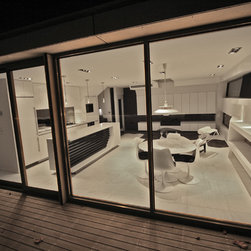
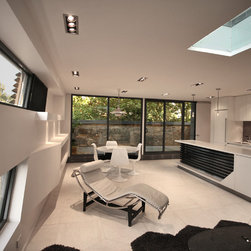
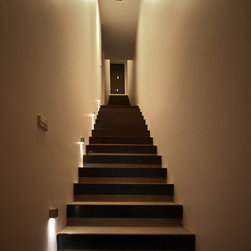
The project is the architect’s home and as such was an opportunity to experiment. There are concealed sliding panels revealing louvred ports for cross ventilating habitable rooms. There are unusual door arrangements to minimize temperature exchange between zones. Solar panels are located on the roof and a water storage tank has been installed below the car park area. Reusing available building fabric and designing small footprint, high density living are environmental features of the development.
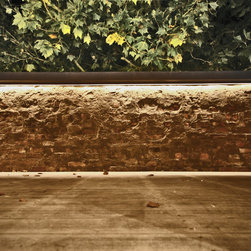
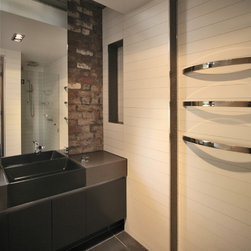
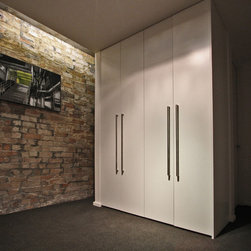
The building is an intervention into the fabric of a Carlton block but through apparent contradiction seeks to knit itself into the existing building on the site to form an integrated new cultural type that exposes the history of the site with glimpses of period material and detail. An urban street is celebrated through the making permanent of an ephemeral art.
Project Architect: Zvi Belling
Project Team: Silas Gibson; Jenny Cham; Atsushi Kubota
Graffiti Artist: Prowla - RDC Crew Melbourne
Builder: Kalitek Constructions
Engineer: Meyer Consulting Engineers
Building Surveyor: Building Strategies
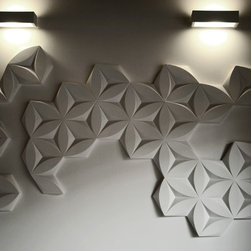
hex wall panel art: Enlai Hooi
precast concrete: Euro Precast
photographer: Zvi Belling
The graffiti relief panel spells HIVE written in ‘wild style’. Some initiation into the cultural codification of letters being may be required to decipher the words. These external geometries directly determine the interiors and have been extruded into living spaces through bulkheads and wall shapes. There are inherent tensions in the building where graffiti complete with spray drip effect has been created without any paint has been situated in an exclusive inner city residential suburb. These tensions are resolving over time as respect for the building spread has spread within the graffiti community and as the local residents begin to claim ownership of their new street art. The outward presentation of robust public art fortifies the internal spaces as a calm refuge that is adorned with street art frames and canvasses. The notion of hive as home has been extracted from the facade and reappears through the fitout in various guises.
The concrete relief façade containing shapes such as letters, arrows, swooshes and drips has been slotted into the exposed brickwork shell of an old Carlton tailor shop. It was important for the street art to be essential to the experience of the building inside and out. The 4m high concrete letters are load bearing with the weight of all four stories transferring to the ground through the oversized letter ‘E’ and simultaneously creating a dramatic visual entry to the apartment. Similarly the punctuations in the facades allow interesting views and natural light opportunities within the habitable spaces.
The graffiti letters were initially conceived of as a masonry element until concrete was adopted for the façade and by extension as the structural system for the entire building. Logistical innovation was required to install the 4m high, 14 tonne load bearing 50mpa letter panels at the commencement of the program and protect these feature panels through the construction period. The architect and the graffiti artist were involved with the
setup, concrete pour and delivery phases of the panel fabrication.
The project is the architect’s home and as such was an opportunity to experiment. There are concealed sliding panels revealing louvred ports for cross ventilating habitable rooms. There are unusual door arrangements to minimize temperature exchange between zones. Solar panels are located on the roof and a water storage tank has been installed below the car park area. Reusing available building fabric and designing small footprint, high density living are environmental features of the development.
The building is an intervention into the fabric of a Carlton block but through apparent contradiction seeks to knit itself into the existing building on the site to form an integrated new cultural type that exposes the history of the site with glimpses of period material and detail. An urban street is celebrated through the making permanent of an ephemeral art.
Project Architect: Zvi Belling
Project Team: Silas Gibson; Jenny Cham; Atsushi Kubota
Graffiti Artist: Prowla - RDC Crew Melbourne
Builder: Kalitek Constructions
Engineer: Meyer Consulting Engineers
Building Surveyor: Building Strategies
hex wall panel art: Enlai Hooi
precast concrete: Euro Precast
photographer: Zvi Belling