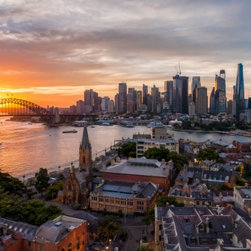
Top Architecture Firms in Sydney: A Complete Hiring Guide
Key Highlights
The top architecture firms in Sydney often stand out through local expertise, strong project management, and a clear design process.
Leading studios usually cover residential projects, commercial work, interior design, and sustainability in one collaborative process.
Marchese Partners is one Sydney example, with work across multi-unit residential, aged care, seniors living, hospitality, and commercial sectors.
You should compare firms by sector fit, portfolio quality, approvals experience, and construction understanding.
A good shortlist saves time, reduces risk, and helps you hire with more confidence.
Introduction
Finding the top architecture firms in Sydney can feel harder than it should. Many studios promise strong architectural design, but you need a team that fits your site, budget, and goals. In a city known for top talent and ambitious building work across Australia, the right choice matters early. This guide gives you a simple way to assess firms, understand services, and hire with more confidence, whether you are planning a home, a workplace, or a larger development.
Understanding the Sydney Architecture Scene
Sydney has a varied built environment, so local expertise matters. A firm with a Sydney office often understands planning pressures, site limits, neighbourhood character, and the pace of delivery in New South Wales. That matters whether your project sits in Surry Hills or a broader growth area. In practice, the top architecture firms in Sydney that stand out usually combine design skill with a strong understanding of the construction process.
Essential Services Offered by Leading Architecture Firms
The best firms usually offer a broad scope of services, not just concept drawings. You should expect support through the design process, coordination, approvals, thinking, and delivery input. A proven track record in similar work is often a better guide than a polished website.
Some practices also bring interior design, master planning services, and sector-specific knowledge into one collaborative process. That can reduce confusion and keep decisions aligned. The next three sections show how this plays out across homes, commercial spaces, and larger urban work.
Residential Design and Renovation
Residential projects need more than a nice look. You want a team that understands how people live each day, how rooms connect, and how natural light changes the feel of a home. Good residential design also needs strong coordination with craftspeople and consultants, especially when a renovation has tight site limits.
One useful sign is sector focus. Marchese Partners is known for multi-unit residential work in Sydney and for unlocking the potential of a site while keeping design efficient. That matters if your brief includes sales value, ease of construction, or a clear approval path.
Interior design should also support the architecture, not feel added on at the end. A studio that can shape layout, finishes, and contemporary design together often gives you a more coherent result.
Commercial Project Expertise
Commercial work has a different pressure. Deadlines, user flow, productivity, and fit-out quality all matter. That is why strong project management and a dedicated team are so important. If you are hiring for a workplace or hospitality setting, ask how the firm handles both function and identity.
A practical example helps here. Marchese Partners describes its commercial design team as focused on innovative, functional, and visually strong buildings and fit-outs. That tells you the work is not only about appearance. It is also about how people use the space.
An interior design studio can add value when it understands sector needs from the start. This often helps the project move more smoothly towards completion, with fewer late design changes and better alignment between layout and operation.
Urban Planning and Mixed-use Developments
Larger projects need a wider lens. Urban design and mixed-use developments often involve movement, density, public experience, and long-term value. Here, master planning and early strategy can shape whether a site performs well or creates future problems.
Firms with urban designers, interior specialists, and master planning services can connect building scale to street scale. That becomes useful in multi-stage developments, seniors living settings, and projects that need clear circulation. Some teams also work with wayfinding specialists so users can understand a place quickly.
Environmentally sustainable solutions should be part of this thinking, too. In Sydney, strong mixed-use work is often measured by how well it balances commercial success, user comfort, and environmental sustainability. If your project is complex, this is where a broad team earns its place.
Beginner’s Guide to Hiring an Architecture Firm in Sydney
Start simple. The right firm is usually the one whose style of work matches your brief and whose technical knowledge fits your project type. You are not only hiring design talent. You are choosing a team to interpret client needs clearly.
Just as important, pay attention to the collaborative process. If early conversations feel vague or one-sided, that is a warning sign. Before you contact studios, gather a few essentials so your first meeting is useful.
What You’ll Need to Get Started (Brief Checklist)
Before you reach out, prepare a short checklist. This makes the design process faster and helps a firm respond in a more useful way. It also reduces the chance of vague pricing or advice that does not match your project goals.
Keep your first notes practical, not perfect. A good architect can help refine the idea, but they still need a starting point. For example, a multi-unit residential client and a hospitality operator will need very different advice.
Your project goals and preferred outcomes
A rough budget range
Your ideal timeline
Site details and known constraints
Images that show your style of work preference
Once you have this, your first conversation becomes clearer and more productive.
How to Research and Shortlist Firms
Research should go beyond surface claims. Look for a proven track record in work that matches your brief. If a firm mainly shows commercial interiors, it may not suit a residential build. Style of work matters, but sector depth matters too.
Trusted reviews and testimonials can help, especially when they mention communication, problem-solving, and delivery. You should also read project descriptions closely. They often reveal more than image galleries do.
Use this shortlist test:
Does the portfolio match your project type?
Do testimonials reflect client needs similar to yours?
Is the design language consistent and clear?
Does the firm explain its process in simple terms?
If you are also comparing searches like best architects in Melbourne, keep your focus on the Sydney-specific experience where relevant.
Step-by-Step Guide to Choosing the Right Architecture Firm
Here is the short answer many people want: choose a firm whose experience, process, and communication style fit your job. That is the featured snippet version. The longer answer is more practical and helps you avoid expensive mistakes.
A step-by-step approach lets you compare firms fairly. It also helps you judge craftsmanship, materiality, and delivery thinking, not just visuals. Start with your own brief, then move through the next five checks.
Step 1: Identify Your Project Goals
Your project goals shape everything else. If you skip this stage, every later choice gets harder. Good architectural design starts with clear client needs, not with style alone.
Think about what success means for your project. For one client, it may be better natural light and a stronger home layout. For another, it may be efficient commercial projects with clear user flow and brand presence.
Write down:
The main purpose of the project
Non-negotiable needs
Your preferred look and feel
Key users of the space
Measures of success after completion
This gives architects something concrete to respond to, instead of guessing what you want.
Step 2: Set Your Budget and Timeline
Fees vary because the scope changes from project to project. The most honest answer is this: top firms in Sydney typically charge based on the type of architectural services, project complexity, and how much project management is included. That is why you should discuss the range early.
A realistic budget and timeline help a firm advise you properly. They also show whether it has a proven track record in projects of a similar scale. If a studio is used for large developments, a small fit-out may not be the right fit.
Share these details:
Total budget or budget band
Target start date
Target completion date
Approval or construction deadlines
Flexibility if issues arise
Clear numbers lead to better planning and fewer surprises.
Step 3: Review Portfolios and Past Projects
When people ask for a list of the top architecture firms in Sydney, what they usually need is a better way to compare them. A portfolio gives that. Look for a proven track record in the exact kind of work you need, not just a diverse range of projects.
For example, Marchese Partners shows experience across residential projects, commercial work, hospitality, seniors living, and aged care. That tells you the practice can work across sectors while still bringing interior design and delivery thinking into the process.
Check each portfolio for:
Similar project types
Quality of planning and layout
Consistency in contemporary design
Evidence of site response
Clarity about outcomes
This helps you move from admiration to real evaluation.
Step 4: Schedule Consultations
Consultations show how a firm thinks in real time. A strong meeting should feel clear, focused, and useful. You want to see technical knowledge, but you also want to feel heard. That balance matters.
If possible, speak with the team that will really work on your project, not just the most senior face of the Sydney office. This gives you a better view of the collaborative process and how day-to-day communication may feel.
Ask questions like:
Who will lead the project?
What is your process from concept to delivery?
What similar work have you done?
How do you handle changes?
What are the next steps after this meeting?
Good consultations reduce uncertainty fast.
Step 5: Compare Proposals and Credentials
Do not choose on fee alone. Compare proposals side by side and check what is actually included. The best proposal is usually the clearest one. It should explain the scope of services, timing, key stages, and who does what.
Credentials matter because they support confidence, but they should connect to delivery. A firm stands out in Sydney when strong technical knowledge meets local experience and a proven track record in similar work. That is more useful than vague claims.
Review each proposal for:
Clear scope and exclusions
Team structure and responsibilities
Relevant credentials
Project approach and milestones
Evidence of similar outcomes
This final check helps you hire on facts, not on first impressions.
Conclusion
In conclusion, navigating the world of architecture firms in Sydney can be a daunting task, but with the right guidance, you can find the perfect fit for your project. From understanding the local architecture landscape to knowing what services to expect, you will be better equipped to make informed decisions. Remember to consider your project goals, budget, and timeline as you evaluate potential firms. By following a structured approach, you can ensure that your vision is realised by professionals who share your passion for design. If you're ready to take the next step in your architectural journey, get in touch with us for a free consultation to explore how we can assist you further.
Frequently Asked Questions
What are the typical fees charged by top architecture firms in Sydney?
Fees in Sydney vary by project type, complexity, and the scope of services. A firm offering broader architectural services and project management will usually price differently from one providing early design only. Ask for a clear proposal so you can compare like-for-like.
Where can I find trusted reviews or testimonials for Sydney architecture firms?
Start with the firm’s own website, then read project summaries closely. Good reviews and testimonials often mention communication, completion, and how well the team understood client needs. Combined with a proven track record, these comments can help you judge whether a firm is dependable.
Which Sydney firms are renowned for residential projects?
A strong choice is a firm with a Sydney office, a clear track record in residential projects, and integrated interior design support. Marchese Partners is one example, with multi-unit residential experience and a design process shaped by local knowledge and commercially practical outcomes.
Are there any award-winning architecture firms in Sydney?
Many firms in Sydney present themselves through a proven track record, innovative solutions, and contemporary design rather than a simple awards label. When comparing studios, focus on delivered work, sector experience, and whether the design approach suits your project more than headline claims alone.
The top architecture firms in Sydney often stand out through local expertise, strong project management, and a clear design process.
Leading studios usually cover residential projects, commercial work, interior design, and sustainability in one collaborative process.
Marchese Partners is one Sydney example, with work across multi-unit residential, aged care, seniors living, hospitality, and commercial sectors.
You should compare firms by sector fit, portfolio quality, approvals experience, and construction understanding.
A good shortlist saves time, reduces risk, and helps you hire with more confidence.
Introduction
Finding the top architecture firms in Sydney can feel harder than it should. Many studios promise strong architectural design, but you need a team that fits your site, budget, and goals. In a city known for top talent and ambitious building work across Australia, the right choice matters early. This guide gives you a simple way to assess firms, understand services, and hire with more confidence, whether you are planning a home, a workplace, or a larger development.
Understanding the Sydney Architecture Scene
Sydney has a varied built environment, so local expertise matters. A firm with a Sydney office often understands planning pressures, site limits, neighbourhood character, and the pace of delivery in New South Wales. That matters whether your project sits in Surry Hills or a broader growth area. In practice, the top architecture firms in Sydney that stand out usually combine design skill with a strong understanding of the construction process.
Essential Services Offered by Leading Architecture Firms
The best firms usually offer a broad scope of services, not just concept drawings. You should expect support through the design process, coordination, approvals, thinking, and delivery input. A proven track record in similar work is often a better guide than a polished website.
Some practices also bring interior design, master planning services, and sector-specific knowledge into one collaborative process. That can reduce confusion and keep decisions aligned. The next three sections show how this plays out across homes, commercial spaces, and larger urban work.
Residential Design and Renovation
Residential projects need more than a nice look. You want a team that understands how people live each day, how rooms connect, and how natural light changes the feel of a home. Good residential design also needs strong coordination with craftspeople and consultants, especially when a renovation has tight site limits.
One useful sign is sector focus. Marchese Partners is known for multi-unit residential work in Sydney and for unlocking the potential of a site while keeping design efficient. That matters if your brief includes sales value, ease of construction, or a clear approval path.
Interior design should also support the architecture, not feel added on at the end. A studio that can shape layout, finishes, and contemporary design together often gives you a more coherent result.
Commercial Project Expertise
Commercial work has a different pressure. Deadlines, user flow, productivity, and fit-out quality all matter. That is why strong project management and a dedicated team are so important. If you are hiring for a workplace or hospitality setting, ask how the firm handles both function and identity.
A practical example helps here. Marchese Partners describes its commercial design team as focused on innovative, functional, and visually strong buildings and fit-outs. That tells you the work is not only about appearance. It is also about how people use the space.
An interior design studio can add value when it understands sector needs from the start. This often helps the project move more smoothly towards completion, with fewer late design changes and better alignment between layout and operation.
Urban Planning and Mixed-use Developments
Larger projects need a wider lens. Urban design and mixed-use developments often involve movement, density, public experience, and long-term value. Here, master planning and early strategy can shape whether a site performs well or creates future problems.
Firms with urban designers, interior specialists, and master planning services can connect building scale to street scale. That becomes useful in multi-stage developments, seniors living settings, and projects that need clear circulation. Some teams also work with wayfinding specialists so users can understand a place quickly.
Environmentally sustainable solutions should be part of this thinking, too. In Sydney, strong mixed-use work is often measured by how well it balances commercial success, user comfort, and environmental sustainability. If your project is complex, this is where a broad team earns its place.
Beginner’s Guide to Hiring an Architecture Firm in Sydney
Start simple. The right firm is usually the one whose style of work matches your brief and whose technical knowledge fits your project type. You are not only hiring design talent. You are choosing a team to interpret client needs clearly.
Just as important, pay attention to the collaborative process. If early conversations feel vague or one-sided, that is a warning sign. Before you contact studios, gather a few essentials so your first meeting is useful.
What You’ll Need to Get Started (Brief Checklist)
Before you reach out, prepare a short checklist. This makes the design process faster and helps a firm respond in a more useful way. It also reduces the chance of vague pricing or advice that does not match your project goals.
Keep your first notes practical, not perfect. A good architect can help refine the idea, but they still need a starting point. For example, a multi-unit residential client and a hospitality operator will need very different advice.
Your project goals and preferred outcomes
A rough budget range
Your ideal timeline
Site details and known constraints
Images that show your style of work preference
Once you have this, your first conversation becomes clearer and more productive.
How to Research and Shortlist Firms
Research should go beyond surface claims. Look for a proven track record in work that matches your brief. If a firm mainly shows commercial interiors, it may not suit a residential build. Style of work matters, but sector depth matters too.
Trusted reviews and testimonials can help, especially when they mention communication, problem-solving, and delivery. You should also read project descriptions closely. They often reveal more than image galleries do.
Use this shortlist test:
Does the portfolio match your project type?
Do testimonials reflect client needs similar to yours?
Is the design language consistent and clear?
Does the firm explain its process in simple terms?
If you are also comparing searches like best architects in Melbourne, keep your focus on the Sydney-specific experience where relevant.
Step-by-Step Guide to Choosing the Right Architecture Firm
Here is the short answer many people want: choose a firm whose experience, process, and communication style fit your job. That is the featured snippet version. The longer answer is more practical and helps you avoid expensive mistakes.
A step-by-step approach lets you compare firms fairly. It also helps you judge craftsmanship, materiality, and delivery thinking, not just visuals. Start with your own brief, then move through the next five checks.
Step 1: Identify Your Project Goals
Your project goals shape everything else. If you skip this stage, every later choice gets harder. Good architectural design starts with clear client needs, not with style alone.
Think about what success means for your project. For one client, it may be better natural light and a stronger home layout. For another, it may be efficient commercial projects with clear user flow and brand presence.
Write down:
The main purpose of the project
Non-negotiable needs
Your preferred look and feel
Key users of the space
Measures of success after completion
This gives architects something concrete to respond to, instead of guessing what you want.
Step 2: Set Your Budget and Timeline
Fees vary because the scope changes from project to project. The most honest answer is this: top firms in Sydney typically charge based on the type of architectural services, project complexity, and how much project management is included. That is why you should discuss the range early.
A realistic budget and timeline help a firm advise you properly. They also show whether it has a proven track record in projects of a similar scale. If a studio is used for large developments, a small fit-out may not be the right fit.
Share these details:
Total budget or budget band
Target start date
Target completion date
Approval or construction deadlines
Flexibility if issues arise
Clear numbers lead to better planning and fewer surprises.
Step 3: Review Portfolios and Past Projects
When people ask for a list of the top architecture firms in Sydney, what they usually need is a better way to compare them. A portfolio gives that. Look for a proven track record in the exact kind of work you need, not just a diverse range of projects.
For example, Marchese Partners shows experience across residential projects, commercial work, hospitality, seniors living, and aged care. That tells you the practice can work across sectors while still bringing interior design and delivery thinking into the process.
Check each portfolio for:
Similar project types
Quality of planning and layout
Consistency in contemporary design
Evidence of site response
Clarity about outcomes
This helps you move from admiration to real evaluation.
Step 4: Schedule Consultations
Consultations show how a firm thinks in real time. A strong meeting should feel clear, focused, and useful. You want to see technical knowledge, but you also want to feel heard. That balance matters.
If possible, speak with the team that will really work on your project, not just the most senior face of the Sydney office. This gives you a better view of the collaborative process and how day-to-day communication may feel.
Ask questions like:
Who will lead the project?
What is your process from concept to delivery?
What similar work have you done?
How do you handle changes?
What are the next steps after this meeting?
Good consultations reduce uncertainty fast.
Step 5: Compare Proposals and Credentials
Do not choose on fee alone. Compare proposals side by side and check what is actually included. The best proposal is usually the clearest one. It should explain the scope of services, timing, key stages, and who does what.
Credentials matter because they support confidence, but they should connect to delivery. A firm stands out in Sydney when strong technical knowledge meets local experience and a proven track record in similar work. That is more useful than vague claims.
Review each proposal for:
Clear scope and exclusions
Team structure and responsibilities
Relevant credentials
Project approach and milestones
Evidence of similar outcomes
This final check helps you hire on facts, not on first impressions.
Conclusion
In conclusion, navigating the world of architecture firms in Sydney can be a daunting task, but with the right guidance, you can find the perfect fit for your project. From understanding the local architecture landscape to knowing what services to expect, you will be better equipped to make informed decisions. Remember to consider your project goals, budget, and timeline as you evaluate potential firms. By following a structured approach, you can ensure that your vision is realised by professionals who share your passion for design. If you're ready to take the next step in your architectural journey, get in touch with us for a free consultation to explore how we can assist you further.
Frequently Asked Questions
What are the typical fees charged by top architecture firms in Sydney?
Fees in Sydney vary by project type, complexity, and the scope of services. A firm offering broader architectural services and project management will usually price differently from one providing early design only. Ask for a clear proposal so you can compare like-for-like.
Where can I find trusted reviews or testimonials for Sydney architecture firms?
Start with the firm’s own website, then read project summaries closely. Good reviews and testimonials often mention communication, completion, and how well the team understood client needs. Combined with a proven track record, these comments can help you judge whether a firm is dependable.
Which Sydney firms are renowned for residential projects?
A strong choice is a firm with a Sydney office, a clear track record in residential projects, and integrated interior design support. Marchese Partners is one example, with multi-unit residential experience and a design process shaped by local knowledge and commercially practical outcomes.
Are there any award-winning architecture firms in Sydney?
Many firms in Sydney present themselves through a proven track record, innovative solutions, and contemporary design rather than a simple awards label. When comparing studios, focus on delivered work, sector experience, and whether the design approach suits your project more than headline claims alone.
Project Year: 2026
Project Cost: USD 500,001 - USD 750,000