

Essential Garage Door Maintenance Tips to Extend the Lifespan of Your System
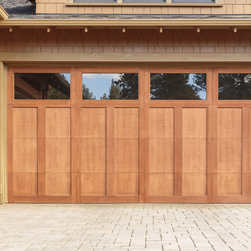
Your garage door is one of the most frequently used parts of your home, opening and closing thousands of times a year. With such heavy usage, it’s easy to see how regular wear and tear can affect its performance over time. Without proper care, minor issues can turn into expensive repairs, or worse, a full garage door replacement. To avoid these problems and extend the lifespan of your garage door, regular maintenance is key. This guide will provide essential tips to keep your garage door running smoothly for years to come.
1. Inspect the Garage Door Regularly
One of the simplest yet most effective maintenance tasks is regular inspection. Take time at least once a month to check the condition of your garage door. Look for signs of wear, such as frayed cables, rusted springs, or any unusual sounds during operation. Check that the door is balanced and that it opens and closes smoothly. By catching potential issues early, you can prevent small problems from becoming costly repairs in the future.
2. Lubricate Moving Parts
Your garage door relies on several moving parts, including hinges, rollers, and tracks, to function properly. Over time, these parts can become stiff or noisy if not adequately lubricated. Applying a high-quality lubricant to these components at least twice a year can help reduce friction and ensure smooth operation. Make sure to avoid using heavy grease, which can attract dirt and cause parts to wear down faster. Regular lubrication not only prolongs the life of these parts but also prevents unnecessary strain on the garage door opener.
3. Test the Balance of Your Garage Door
A well-balanced garage door is crucial for smooth and efficient operation. If your door is off-balance, it can cause excessive strain on the opener and other mechanical parts, leading to premature wear. To test the balance, disconnect the opener and manually lift the door halfway. If it stays in place, your door is balanced. If it falls or rises on its own, the balance is off, and the springs may need adjustment. Maintaining the correct balance reduces the risk of expensive garage repair services down the line.
4. Keep the Tracks Clean and Aligned
The tracks that guide your garage door up and down can become clogged with dirt, debris, or even rust, affecting the door’s operation. Clean the tracks regularly using a damp cloth to remove buildup, and make sure they are properly aligned. Misaligned tracks can cause the door to jam or get stuck, which can lead to more serious issues. If you notice any bending or warping of the tracks, call a professional for realignment to avoid damaging your door.
5. Check and Tighten Hardware
Given how often garage doors are used, it’s common for the hardware to loosen over time. The bolts, nuts, and brackets that hold the garage door system together can wear out with repeated use, making the door less secure and more prone to malfunctions. Regularly inspecting and tightening loose hardware can prevent major issues. Focus on areas such as the roller brackets and bolts that hold the tracks in place. This simple step can improve the longevity of your garage door system.
6. Replace Weather Stripping as Needed
Weather stripping is an essential part of your garage door that helps keep out dirt, water, and cold air. Over time, the rubber seal at the bottom of your door can crack or wear down, reducing its effectiveness. Replacing damaged weather stripping is a quick and inexpensive fix that enhances your garage’s insulation and protects it from the elements. This maintenance task can also prevent moisture damage and help maintain a comfortable temperature inside the garage.
7. Test the Safety Features
Modern garage doors are equipped with safety features such as auto-reverse mechanisms and sensors designed to prevent accidents. These features ensure the door stops and reverses if it detects an obstruction while closing. To test the auto-reverse, place an object, such as a block of wood, under the door and try to close it. If the door doesn’t reverse immediately, it’s time to check the sensors and potentially call for professional maintenance. Keeping these safety features in good working order not only extends the life of the garage door but also ensures the safety of your family and pets.
8. Listen for Unusual Sounds
Garage doors naturally make some noise, but if you start hearing grinding, squeaking, or rattling sounds, it could indicate a problem. These noises often mean that some parts need lubrication or tightening, or that the motor is struggling to operate. Don’t ignore unusual sounds, as they are often early warning signs of bigger issues. By addressing the source of the noise promptly, you can prevent further damage and keep your door operating smoothly.
9. Replace Worn-Out Parts
Some parts of your garage door, like the springs, rollers, and cables, wear out over time and need replacing. Garage door springs, for example, have a limited number of cycles (open and close) before they lose tension and need to be replaced. Likewise, worn-out rollers can cause your door to become noisy or jerky during operation. Regularly inspecting these parts and replacing them as needed can extend the lifespan of your entire garage door system and help you avoid sudden malfunctions.
10. Schedule Professional Tune-Ups
While many maintenance tasks can be done by homeowners, it’s important to schedule professional tune-ups for your garage door at least once a year. A professional can perform a thorough inspection, make adjustments, and identify potential problems that may not be visible to the untrained eye. Regular professional maintenance can catch minor issues before they turn into major repairs, saving you time and money in the long run.
For reliable garage door maintenance and repair services, Garage Technology Access offers a range of solutions designed to keep your system in top shape. From routine inspections to full garage repair services, their expert technicians ensure that your garage door operates smoothly and efficiently year-round.
Taking the time to properly maintain your garage door system is a small investment that pays off in the long run. By regularly inspecting, lubricating, and cleaning your door’s components, you can prevent costly repairs and ensure that your garage door lasts for years to come. Whether you handle these tasks yourself or enlist the help of a professional, following these essential maintenance tips will help you get the most out of your garage door system.
4o
1. Inspect the Garage Door Regularly
One of the simplest yet most effective maintenance tasks is regular inspection. Take time at least once a month to check the condition of your garage door. Look for signs of wear, such as frayed cables, rusted springs, or any unusual sounds during operation. Check that the door is balanced and that it opens and closes smoothly. By catching potential issues early, you can prevent small problems from becoming costly repairs in the future.
2. Lubricate Moving Parts
Your garage door relies on several moving parts, including hinges, rollers, and tracks, to function properly. Over time, these parts can become stiff or noisy if not adequately lubricated. Applying a high-quality lubricant to these components at least twice a year can help reduce friction and ensure smooth operation. Make sure to avoid using heavy grease, which can attract dirt and cause parts to wear down faster. Regular lubrication not only prolongs the life of these parts but also prevents unnecessary strain on the garage door opener.
3. Test the Balance of Your Garage Door
A well-balanced garage door is crucial for smooth and efficient operation. If your door is off-balance, it can cause excessive strain on the opener and other mechanical parts, leading to premature wear. To test the balance, disconnect the opener and manually lift the door halfway. If it stays in place, your door is balanced. If it falls or rises on its own, the balance is off, and the springs may need adjustment. Maintaining the correct balance reduces the risk of expensive garage repair services down the line.
4. Keep the Tracks Clean and Aligned
The tracks that guide your garage door up and down can become clogged with dirt, debris, or even rust, affecting the door’s operation. Clean the tracks regularly using a damp cloth to remove buildup, and make sure they are properly aligned. Misaligned tracks can cause the door to jam or get stuck, which can lead to more serious issues. If you notice any bending or warping of the tracks, call a professional for realignment to avoid damaging your door.
5. Check and Tighten Hardware
Given how often garage doors are used, it’s common for the hardware to loosen over time. The bolts, nuts, and brackets that hold the garage door system together can wear out with repeated use, making the door less secure and more prone to malfunctions. Regularly inspecting and tightening loose hardware can prevent major issues. Focus on areas such as the roller brackets and bolts that hold the tracks in place. This simple step can improve the longevity of your garage door system.
6. Replace Weather Stripping as Needed
Weather stripping is an essential part of your garage door that helps keep out dirt, water, and cold air. Over time, the rubber seal at the bottom of your door can crack or wear down, reducing its effectiveness. Replacing damaged weather stripping is a quick and inexpensive fix that enhances your garage’s insulation and protects it from the elements. This maintenance task can also prevent moisture damage and help maintain a comfortable temperature inside the garage.
7. Test the Safety Features
Modern garage doors are equipped with safety features such as auto-reverse mechanisms and sensors designed to prevent accidents. These features ensure the door stops and reverses if it detects an obstruction while closing. To test the auto-reverse, place an object, such as a block of wood, under the door and try to close it. If the door doesn’t reverse immediately, it’s time to check the sensors and potentially call for professional maintenance. Keeping these safety features in good working order not only extends the life of the garage door but also ensures the safety of your family and pets.
8. Listen for Unusual Sounds
Garage doors naturally make some noise, but if you start hearing grinding, squeaking, or rattling sounds, it could indicate a problem. These noises often mean that some parts need lubrication or tightening, or that the motor is struggling to operate. Don’t ignore unusual sounds, as they are often early warning signs of bigger issues. By addressing the source of the noise promptly, you can prevent further damage and keep your door operating smoothly.
9. Replace Worn-Out Parts
Some parts of your garage door, like the springs, rollers, and cables, wear out over time and need replacing. Garage door springs, for example, have a limited number of cycles (open and close) before they lose tension and need to be replaced. Likewise, worn-out rollers can cause your door to become noisy or jerky during operation. Regularly inspecting these parts and replacing them as needed can extend the lifespan of your entire garage door system and help you avoid sudden malfunctions.
10. Schedule Professional Tune-Ups
While many maintenance tasks can be done by homeowners, it’s important to schedule professional tune-ups for your garage door at least once a year. A professional can perform a thorough inspection, make adjustments, and identify potential problems that may not be visible to the untrained eye. Regular professional maintenance can catch minor issues before they turn into major repairs, saving you time and money in the long run.
For reliable garage door maintenance and repair services, Garage Technology Access offers a range of solutions designed to keep your system in top shape. From routine inspections to full garage repair services, their expert technicians ensure that your garage door operates smoothly and efficiently year-round.
Taking the time to properly maintain your garage door system is a small investment that pays off in the long run. By regularly inspecting, lubricating, and cleaning your door’s components, you can prevent costly repairs and ensure that your garage door lasts for years to come. Whether you handle these tasks yourself or enlist the help of a professional, following these essential maintenance tips will help you get the most out of your garage door system.
4o