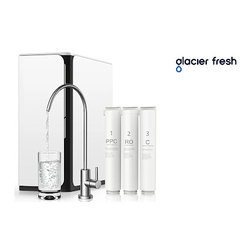


Reverse Osmosis vs. Other Filtration Methods: A Comparative Analysis
When it comes to water filtration, reverse osmosis system is just one of several methods available. Other popular options include activated carbon filters, ultraviolet (UV) purifiers, and distillation. Each method has its strengths and weaknesses, and the best choice depends on specific water quality concerns and personal preferences. This article compares reverse osmosis with other filtration methods to help you determine which system might be best for you.
Reverse Osmosis (RO)
RO is known for its ability to remove a wide range of contaminants, including dissolved salts, heavy metals, and microorganisms. It is one of the most thorough filtration methods available, making it ideal for areas with high contamination levels. However, RO systems can be more expensive and require more maintenance than other methods. Additionally, they waste more water compared to other filtration systems.
Activated Carbon Filters
Activated carbon filters are commonly used in household water filtration systems. They are particularly effective at removing chlorine, organic compounds, and improving the taste and odor of water. However, they are less effective at removing dissolved salts, heavy metals, and microorganisms. Carbon filters are often used in conjunction with other filtration methods, including RO, to address a broader range of contaminants.
Ultraviolet (UV) Purifiers
UV purifiers use ultraviolet light to kill bacteria and viruses in water, making them an excellent choice for areas where microbial contamination is a concern. However, UV purifiers do not remove chemical contaminants, heavy metals, or particulates. They are often used in combination with other filtration methods to provide comprehensive water purification.
Distillation
Distillation involves boiling water and then condensing the steam back into liquid form, leaving most contaminants behind. This method is highly effective at removing a wide range of contaminants, including bacteria, viruses, and dissolved salts. However, distillation is a slow process, requires significant energy, and does not remove all chemicals, such as volatile organic compounds (VOCs).
Comparative Analysis
Contaminant Removal: RO systems are superior in removing the widest range of contaminants, including microorganisms, dissolved salts, and heavy metals. UV purifiers excel at killing bacteria and viruses, while activated carbon filters are best for improving taste and odor by removing chlorine and organic compounds.
Cost: Activated carbon filters and UV purifiers are generally less expensive than RO systems, both in terms of initial cost and maintenance. Distillation is also costlier due to the energy required for the process.
Water Wastage:
RO systems typically waste more water compared to other methods. Activated carbon filters and UV purifiers do not waste water during the filtration process.
Conclusion
Each water filtration method has its advantages and drawbacks, and the best choice depends on your specific needs. Reverse osmosis offers the most comprehensive contaminant removal but at a higher cost and with more ro water filter system waste. Activated carbon filters are more affordable and improve water taste, while UV purifiers are excellent for eliminating microorganisms. Understanding these differences can help you select the most appropriate system for your water quality concerns.
Reverse Osmosis (RO)
RO is known for its ability to remove a wide range of contaminants, including dissolved salts, heavy metals, and microorganisms. It is one of the most thorough filtration methods available, making it ideal for areas with high contamination levels. However, RO systems can be more expensive and require more maintenance than other methods. Additionally, they waste more water compared to other filtration systems.
Activated Carbon Filters
Activated carbon filters are commonly used in household water filtration systems. They are particularly effective at removing chlorine, organic compounds, and improving the taste and odor of water. However, they are less effective at removing dissolved salts, heavy metals, and microorganisms. Carbon filters are often used in conjunction with other filtration methods, including RO, to address a broader range of contaminants.
Ultraviolet (UV) Purifiers
UV purifiers use ultraviolet light to kill bacteria and viruses in water, making them an excellent choice for areas where microbial contamination is a concern. However, UV purifiers do not remove chemical contaminants, heavy metals, or particulates. They are often used in combination with other filtration methods to provide comprehensive water purification.
Distillation
Distillation involves boiling water and then condensing the steam back into liquid form, leaving most contaminants behind. This method is highly effective at removing a wide range of contaminants, including bacteria, viruses, and dissolved salts. However, distillation is a slow process, requires significant energy, and does not remove all chemicals, such as volatile organic compounds (VOCs).
Comparative Analysis
Contaminant Removal: RO systems are superior in removing the widest range of contaminants, including microorganisms, dissolved salts, and heavy metals. UV purifiers excel at killing bacteria and viruses, while activated carbon filters are best for improving taste and odor by removing chlorine and organic compounds.
Cost: Activated carbon filters and UV purifiers are generally less expensive than RO systems, both in terms of initial cost and maintenance. Distillation is also costlier due to the energy required for the process.
Water Wastage:
RO systems typically waste more water compared to other methods. Activated carbon filters and UV purifiers do not waste water during the filtration process.
Conclusion
Each water filtration method has its advantages and drawbacks, and the best choice depends on your specific needs. Reverse osmosis offers the most comprehensive contaminant removal but at a higher cost and with more ro water filter system waste. Activated carbon filters are more affordable and improve water taste, while UV purifiers are excellent for eliminating microorganisms. Understanding these differences can help you select the most appropriate system for your water quality concerns.