

Single-Storey vs Double-Storey Extensions: Which Is Right for You?
If you’re running out of space but don’t want the hassle of moving, a home extension can be the perfect solution. One of the biggest decisions homeowners in the UK face is choosing between a single-storey extension and a double-storey extension. Both options offer unique benefits, but the right choice depends on your budget, space requirements, and long-term goals.
What Is a Single-Storey Extension?
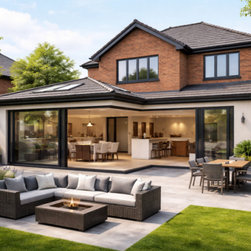
A single-storey extension expands your home horizontally, typically at the rear, side, or wrap-around of the property. These are commonly used to create open-plan kitchens, dining areas, or larger living spaces.
✅ Advantages:
❌ Considerations:
What Is a Double-Storey Extension?
A double-storey extension adds space across two levels of your home, typically expanding both the ground floor and first floor.
✅ Advantages:
❌ Considerations:
Cost Comparison in the UK
Budget is often the deciding factor when choosing between the two:
While a double-storey extension costs more overall, it often delivers better value per square metre, making it a smart long-term investment.
Planning Permission & Regulations
In many cases, single-storey extensions fall under permitted development rights, meaning you may not need full planning permission (subject to size and design limits).
However, double-storey extensions are more likely to require planning approval due to their height, impact on neighbours, and overall scale.
It’s always recommended to consult with professionals to ensure compliance with UK building regulations.
Which One Is Right for You?
Choosing between a single or double-storey extension comes down to your specific needs:
? Go for a Single-Storey Extension if:
? Choose a Double-Storey Extension if:
Key Factors to Consider
Before making your decision, think about:
Final Thoughts
Both single-storey and double-storey extensions can transform your home, but the best choice depends on your goals. If you’re looking for a quick, stylish upgrade, a single-storey extension is ideal. If you need maximum space and long-term value, a double-storey extension is the smarter investment.
Before starting your project, speak with experienced professionals who can guide you through design, planning, and construction. With the right approach, your home extension can add both comfort and significant value to your property.
What Is a Single-Storey Extension?
A single-storey extension expands your home horizontally, typically at the rear, side, or wrap-around of the property. These are commonly used to create open-plan kitchens, dining areas, or larger living spaces.
✅ Advantages:
- Lower upfront costcompared to double-storey builds
- Quicker construction time(often 10–14 weeks)
- Ideal for open-plan livingand modern layouts
- Less structural complexity
❌ Considerations:
- Reduces garden or outdoor space
- Limited to ground-floor expansion only
- May not fully solve space issues for growing families
What Is a Double-Storey Extension?
A double-storey extension adds space across two levels of your home, typically expanding both the ground floor and first floor.
✅ Advantages:
- Maximises space without using extra land
- More cost-effective per square metre
- Ideal for adding extra bedrooms, bathrooms, or home offices
- Significantly increases property value
❌ Considerations:
- Higher overall cost
- Longer build time
- More complex planning and approvals
- Greater disruption during construction
Cost Comparison in the UK
Budget is often the deciding factor when choosing between the two:
- Single-storey extension: £1,800 – £3,000 per m²
- Double-storey extension: £2,000 – £3,200 per m²
While a double-storey extension costs more overall, it often delivers better value per square metre, making it a smart long-term investment.
Planning Permission & Regulations
In many cases, single-storey extensions fall under permitted development rights, meaning you may not need full planning permission (subject to size and design limits).
However, double-storey extensions are more likely to require planning approval due to their height, impact on neighbours, and overall scale.
It’s always recommended to consult with professionals to ensure compliance with UK building regulations.
Which One Is Right for You?
Choosing between a single or double-storey extension comes down to your specific needs:
? Go for a Single-Storey Extension if:
- You want a modern open-plan kitchen or living area
- You have sufficient outdoor space
- You’re working with a smaller budget
- You need a quicker build
? Choose a Double-Storey Extension if:
- You need significant extra space
- You want to add bedrooms or bathrooms upstairs
- You’re planning for long-term family growth
- You want to increase property value substantially
Key Factors to Consider
Before making your decision, think about:
- Budget– upfront cost vs long-term value
- Available space– how much land you can use
- Lifestyle needs– current and future requirements
- Planning constraints– local regulations
- Return on investment– especially if you plan to sell
Final Thoughts
Both single-storey and double-storey extensions can transform your home, but the best choice depends on your goals. If you’re looking for a quick, stylish upgrade, a single-storey extension is ideal. If you need maximum space and long-term value, a double-storey extension is the smarter investment.
Before starting your project, speak with experienced professionals who can guide you through design, planning, and construction. With the right approach, your home extension can add both comfort and significant value to your property.