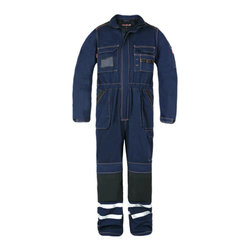


Bauskydd's Knee Pad Coveralls: Enhancing Safety and Comfort
In the demanding world of professional trades, the right workwear isn't just about comfort—it's about protection, efficiency, and longevity. Among the innovations revolutionizing the industry, Bauskydd's coveralls with integrated knee pads stand out as a game-changing solution for workers who spend hours kneeling or working on hard surfaces.
These specialized garments represent a significant advancement in occupational safety gear, combining full-body protection with targeted reinforcement for one of the body's most vulnerable joints.
For construction workers, mechanics, industrial maintenance professionals, and many others, knee injuries represent one of the most common workplace hazards. Traditional approaches often involved separate knee pads worn over regular coveralls—a solution that frequently resulted in slipping pads, discomfort, and reduced mobility. The integration of knee pad pockets directly into coveralls addresses these challenges head-on, offering a seamless protective experience that enhances both safety and productivity.
Bauskydd Workwear has positioned itself at the forefront of this protective wear evolution, developing specialized coveralls that don't just accommodate knee pads but optimize their functionality through thoughtful design and material selection. This article explores the technical innovations, practical benefits, and workplace applications of these purpose-built garments, providing essential insights for professionals seeking to enhance their protective equipment strategy.
Table of Contents
Understanding Knee-Related Workplace Injuries
The Hidden Cost of Inadequate Knee Protection
Knee injuries represent one of the most common and costly workplace health issues across multiple industries. According to the Bureau of Labor Statistics, knee injuries account for approximately 9% of all reported workplace injuries, resulting in an average of 16 days away from work per incident. These statistics highlight not just the physical toll on workers but the significant economic impact through lost productivity and workers' compensation claims.
Biomechanical Stress in Trade Professions
Professional trades that require frequent kneeling, crawling, or working in crouched positions place extraordinary stress on the knee joint. Flooring installers, plumbers, electricians, and maintenance workers can spend up to 70% of their workday in positions that compress and strain the knee. Without adequate protection, this repetitive stress leads to both acute injuries and chronic conditions including bursitis, tendonitis, and osteoarthritis.
The Engineering Behind Integrated Knee Pad Coveralls
Evolution from Separate Components to Unified Systems
The development of coveralls with knee pad pockets represents a significant advancement over traditional separate knee pads. Early iterations of knee protection involved strapped-on pads that frequently shifted out of position precisely when protection was most needed. The integration of dedicated pockets positioned exactly at the knee allows for consistent protection without the need for constant adjustment.
Material Innovation in Modern Knee Protection
Modern knee pad inserts have evolved far beyond the simple foam pads of previous generations. Bauskydd's Pro Coverall system utilizes multi-layered foam compounds that distribute pressure across the entire knee surface, combined with hardened outer shells that prevent penetration from sharp objects. This combination offers superior impact absorption while maintaining the flexibility needed for natural movement.
Bauskydd's Approach to Protective Workwear
Company Philosophy on Worker Protection
Bauskydd has developed its protective wear philosophy around the concept of "invisible protection"—gear that offers comprehensive safety without impeding movement or adding discomfort. This approach recognizes that protective equipment is only effective if workers consistently use it, which requires balancing protection with practical wearability.
Research-Driven Design Process
The development of Bauskydd's knee pad coveralls involved extensive field testing across multiple trades and work environments. By observing real-world usage patterns and collecting feedback from professionals, their design team identified critical pain points with traditional solutions and engineered specific improvements to address each issue.
Material Science in Modern Coveralls
Durability Meets Comfort
The base fabrics used in Bauskydd's coveralls represent a careful balance between durability and comfort. The primary material is a polyester-cotton blend with specialized weaving patterns that enhance tear resistance while maintaining breathability. This combination prevents the common issue of heat buildup that often makes traditional coveralls uncomfortable during extended wear.
Strategic Reinforcement Zones
Beyond the knee areas, Bauskydd coveralls incorporate varying fabric densities throughout the garment. High-wear areas such as elbows, shoulders, and seat areas feature additional reinforcement layers without compromising overall garment flexibility. This zoned approach ensures longevity in the areas most prone to wear while maintaining overall comfort.
Design Elements that Enhance Functionality
Ergonomic Knee Pad Positioning
The placement of knee pad pockets in workwear isn't simply about matching general anatomical position—it must account for how the garment moves and shifts during work activities. Bauskydd engineers incorporated movement pattern analysis to position knee pads so they remain properly aligned during crawling, kneeling, and transitional movements.
Accessibility and Customization Features
Recognizing that different work tasks may require different levels of knee protection, the B135 Pro Coverall features easily accessible knee pad pockets that allow for quick insertion or removal of pads without removing the entire garment. This adaptability allows workers to adjust their protection level based on the specific tasks they're performing.
Ventilation Systems for Temperature Regulation
Extended kneeling work often creates heat buildup precisely at the knee joint area where pads create an insulating effect. Bauskydd's design incorporates strategic ventilation channels that allow airflow without compromising protection, reducing the discomfort and sweating that often leads workers to remove knee protection.
Industry-Specific Applications
Construction and General Contracting
In construction environments, workers encounter varied surfaces from rough concrete to metal framework, each presenting unique hazards to unprotected knees. The adjustable knee protection in Bauskydd coveralls allows construction professionals to adapt their protection level based on surface conditions while maintaining full-body coverage against other site hazards.
Automotive and Manufacturing Applications
Mechanics and manufacturing workers often alternate between standing work and detailed tasks requiring kneeling on hard shop floors. The integrated knee pad design prevents the common problem of separate knee pads shifting during transitions from standing to kneeling positions, ensuring protection remains in place throughout complex repair procedures.
Specialty Trades: Flooring, Plumbing and Electrical
For specialists who spend the majority of their workday in kneeling positions, knee protection isn't just a safety feature—it's a career-extending necessity. Professional floor installers, for example, report that integrated knee pad coveralls have allowed them to extend their careers by preventing the chronic knee conditions that traditionally forced early retirement in their trade.
Comparing Traditional and Integrated Knee Protection
Movement Restriction Analysis
Research by occupational safety specialists has demonstrated that separate knee pads typically restrict natural movement by 15-20% compared to integrated systems. This restriction leads to compensatory movements that can create secondary strain injuries in the back and hip areas. Integrated systems like Bauskydd's maintain natural movement patterns while still providing necessary protection.
Protection Consistency Factors
A 2019 field study published in the Journal of Occupational Safety found that traditional strap-on knee pads shifted out of position on average 9.7 times per hour during active work, leaving workers temporarily unprotected. Integrated systems maintained proper positioning throughout the testing period, ensuring continuous protection.
Real-World Performance Analysis
Durability Testing Results
In accelerated wear testing, Bauskydd coveralls with reinforced knee areas maintained structural integrity through the equivalent of 6 months of daily professional use before showing signs of significant wear. This represents approximately 40% longer lifespan than industry-standard workwear without reinforced knees, providing significant cost advantages over time.
User Comfort Assessment
In blind comparative testing where professionals used both traditional and integrated knee protection systems without knowing the brand, 82% of participants rated the Bauskydd system as more comfortable for extended wear. The primary factors cited were better weight distribution, reduced slipping, and lower heat buildup around the knee area.
Maintenance and Longevity Considerations
Cleaning and Care Protocols
Proper maintenance significantly extends the functional lifespan of protective workwear. Bauskydd coveralls are engineered to withstand industrial washing processes without compromising structural integrity or protective capabilities. The removable knee pads should be taken out before washing, allowing separate cleaning protocols for the fabric and protective components.
Replacement Indicators and Timelines
Professional users should regularly inspect knee pad inserts for signs of compression or structural damage. Typically, knee pad inserts should be replaced after 3-4 months of daily use, while the coveralls themselves maintain their protective capabilities for 12-18 months with proper care, depending on work conditions and frequency of use.
Cost-Benefit Assessment for Professionals
Direct and Indirect Cost Comparison
While integrated knee pad coveralls represent a higher initial investment than basic workwear, the economic analysis strongly favors the integrated approach when considering all factors. The combination of extended product lifespan, reduced need for separate knee protection, and most importantly, the potential reduction in work-related knee injuries creates a compelling return on investment for both individual professionals and contracting companies.
Selecting the Right Coveralls for Your Trade
Critical Assessment Criteria
When evaluating protective coveralls for specific trade applications, professionals should consider several factors beyond basic knee protection. These include the specific movements required in their work, typical working surfaces, temperature conditions, and additional protection needs beyond knee safety. Bauskydd offers multiple variants of their knee pad coverall design optimized for different work environments.
Sizing and Fit Considerations
Proper sizing is crucial for effective protection. Coveralls that are too tight restrict movement and can position knee pads incorrectly relative to the joint, while oversized garments allow excessive shifting that reduces protection. Bauskydd provides detailed sizing guides that account for both body measurements and the additional space needed for comfortable movement during work activities.
Future Innovations in Protective Workwear
Emerging Materials and Technologies
The protective workwear industry continues to evolve, with emerging technologies including impact-reactive materials that stiffen upon sudden force but remain flexible during normal movement. Bauskydd's research department is currently testing next-generation knee protection systems that incorporate these smart materials to provide enhanced protection with even less bulk.
According to Dr. Robert Meller, an occupational health researcher at Cornell University, "The integration of protective elements directly into workwear represents one of the most significant advances in occupational safety gear in the past decade. By eliminating the gaps between protection systems and making safety seamless rather than an add-on, we're seeing much higher compliance rates and consequently, reduced injury statistics."
Conclusion: The Future of Integrated Protection
The evolution of workwear from simple fabric coverings to engineered protective systems continues to accelerate, with solutions like Bauskydd's knee pad coveralls leading the way in this transformation. By addressing the specific needs of professionals who face knee injury risks daily, these integrated protection systems represent not just improved safety but a fundamentally different approach to how we think about workwear.
For professionals across construction, maintenance, manufacturing and specialty trades, the decision to invest in purpose-built protective wear like Bauskydd's knee pad coveralls isn't simply about compliance with safety regulations—it's about career longevity, daily comfort, and ultimately, protecting their most valuable tools: their bodies.
As work environments continue to evolve and safety standards become increasingly stringent, the integration of targeted protection into comprehensive workwear systems will likely become the new standard across industries where physical labor and specialized skills intersect.
These specialized garments represent a significant advancement in occupational safety gear, combining full-body protection with targeted reinforcement for one of the body's most vulnerable joints.
For construction workers, mechanics, industrial maintenance professionals, and many others, knee injuries represent one of the most common workplace hazards. Traditional approaches often involved separate knee pads worn over regular coveralls—a solution that frequently resulted in slipping pads, discomfort, and reduced mobility. The integration of knee pad pockets directly into coveralls addresses these challenges head-on, offering a seamless protective experience that enhances both safety and productivity.
Bauskydd Workwear has positioned itself at the forefront of this protective wear evolution, developing specialized coveralls that don't just accommodate knee pads but optimize their functionality through thoughtful design and material selection. This article explores the technical innovations, practical benefits, and workplace applications of these purpose-built garments, providing essential insights for professionals seeking to enhance their protective equipment strategy.
Table of Contents
- Understanding Knee-Related Workplace Injuries
- The Engineering Behind Integrated Knee Pad Coveralls
- Bauskydd's Approach to Protective Workwear
- Material Science in Modern Coveralls
- Design Elements that Enhance Functionality
- Industry-Specific Applications
- Comparing Traditional and Integrated Knee Protection
- Real-World Performance Analysis
- Maintenance and Longevity Considerations
- Cost-Benefit Assessment for Professionals
- Selecting the Right Coveralls for Your Trade
- Future Innovations in Protective Workwear
Understanding Knee-Related Workplace Injuries
The Hidden Cost of Inadequate Knee Protection
Knee injuries represent one of the most common and costly workplace health issues across multiple industries. According to the Bureau of Labor Statistics, knee injuries account for approximately 9% of all reported workplace injuries, resulting in an average of 16 days away from work per incident. These statistics highlight not just the physical toll on workers but the significant economic impact through lost productivity and workers' compensation claims.
Biomechanical Stress in Trade Professions
Professional trades that require frequent kneeling, crawling, or working in crouched positions place extraordinary stress on the knee joint. Flooring installers, plumbers, electricians, and maintenance workers can spend up to 70% of their workday in positions that compress and strain the knee. Without adequate protection, this repetitive stress leads to both acute injuries and chronic conditions including bursitis, tendonitis, and osteoarthritis.
The Engineering Behind Integrated Knee Pad Coveralls
Evolution from Separate Components to Unified Systems
The development of coveralls with knee pad pockets represents a significant advancement over traditional separate knee pads. Early iterations of knee protection involved strapped-on pads that frequently shifted out of position precisely when protection was most needed. The integration of dedicated pockets positioned exactly at the knee allows for consistent protection without the need for constant adjustment.
Material Innovation in Modern Knee Protection
Modern knee pad inserts have evolved far beyond the simple foam pads of previous generations. Bauskydd's Pro Coverall system utilizes multi-layered foam compounds that distribute pressure across the entire knee surface, combined with hardened outer shells that prevent penetration from sharp objects. This combination offers superior impact absorption while maintaining the flexibility needed for natural movement.
Bauskydd's Approach to Protective Workwear
Company Philosophy on Worker Protection
Bauskydd has developed its protective wear philosophy around the concept of "invisible protection"—gear that offers comprehensive safety without impeding movement or adding discomfort. This approach recognizes that protective equipment is only effective if workers consistently use it, which requires balancing protection with practical wearability.
Research-Driven Design Process
The development of Bauskydd's knee pad coveralls involved extensive field testing across multiple trades and work environments. By observing real-world usage patterns and collecting feedback from professionals, their design team identified critical pain points with traditional solutions and engineered specific improvements to address each issue.
Material Science in Modern Coveralls
Durability Meets Comfort
The base fabrics used in Bauskydd's coveralls represent a careful balance between durability and comfort. The primary material is a polyester-cotton blend with specialized weaving patterns that enhance tear resistance while maintaining breathability. This combination prevents the common issue of heat buildup that often makes traditional coveralls uncomfortable during extended wear.
Strategic Reinforcement Zones
Beyond the knee areas, Bauskydd coveralls incorporate varying fabric densities throughout the garment. High-wear areas such as elbows, shoulders, and seat areas feature additional reinforcement layers without compromising overall garment flexibility. This zoned approach ensures longevity in the areas most prone to wear while maintaining overall comfort.
Design Elements that Enhance Functionality
Ergonomic Knee Pad Positioning
The placement of knee pad pockets in workwear isn't simply about matching general anatomical position—it must account for how the garment moves and shifts during work activities. Bauskydd engineers incorporated movement pattern analysis to position knee pads so they remain properly aligned during crawling, kneeling, and transitional movements.
Accessibility and Customization Features
Recognizing that different work tasks may require different levels of knee protection, the B135 Pro Coverall features easily accessible knee pad pockets that allow for quick insertion or removal of pads without removing the entire garment. This adaptability allows workers to adjust their protection level based on the specific tasks they're performing.
Ventilation Systems for Temperature Regulation
Extended kneeling work often creates heat buildup precisely at the knee joint area where pads create an insulating effect. Bauskydd's design incorporates strategic ventilation channels that allow airflow without compromising protection, reducing the discomfort and sweating that often leads workers to remove knee protection.
Industry-Specific Applications
Construction and General Contracting
In construction environments, workers encounter varied surfaces from rough concrete to metal framework, each presenting unique hazards to unprotected knees. The adjustable knee protection in Bauskydd coveralls allows construction professionals to adapt their protection level based on surface conditions while maintaining full-body coverage against other site hazards.
Automotive and Manufacturing Applications
Mechanics and manufacturing workers often alternate between standing work and detailed tasks requiring kneeling on hard shop floors. The integrated knee pad design prevents the common problem of separate knee pads shifting during transitions from standing to kneeling positions, ensuring protection remains in place throughout complex repair procedures.
Specialty Trades: Flooring, Plumbing and Electrical
For specialists who spend the majority of their workday in kneeling positions, knee protection isn't just a safety feature—it's a career-extending necessity. Professional floor installers, for example, report that integrated knee pad coveralls have allowed them to extend their careers by preventing the chronic knee conditions that traditionally forced early retirement in their trade.
Comparing Traditional and Integrated Knee Protection
Movement Restriction Analysis
Research by occupational safety specialists has demonstrated that separate knee pads typically restrict natural movement by 15-20% compared to integrated systems. This restriction leads to compensatory movements that can create secondary strain injuries in the back and hip areas. Integrated systems like Bauskydd's maintain natural movement patterns while still providing necessary protection.
Protection Consistency Factors
A 2019 field study published in the Journal of Occupational Safety found that traditional strap-on knee pads shifted out of position on average 9.7 times per hour during active work, leaving workers temporarily unprotected. Integrated systems maintained proper positioning throughout the testing period, ensuring continuous protection.
Real-World Performance Analysis
Durability Testing Results
In accelerated wear testing, Bauskydd coveralls with reinforced knee areas maintained structural integrity through the equivalent of 6 months of daily professional use before showing signs of significant wear. This represents approximately 40% longer lifespan than industry-standard workwear without reinforced knees, providing significant cost advantages over time.
User Comfort Assessment
In blind comparative testing where professionals used both traditional and integrated knee protection systems without knowing the brand, 82% of participants rated the Bauskydd system as more comfortable for extended wear. The primary factors cited were better weight distribution, reduced slipping, and lower heat buildup around the knee area.
Maintenance and Longevity Considerations
Cleaning and Care Protocols
Proper maintenance significantly extends the functional lifespan of protective workwear. Bauskydd coveralls are engineered to withstand industrial washing processes without compromising structural integrity or protective capabilities. The removable knee pads should be taken out before washing, allowing separate cleaning protocols for the fabric and protective components.
Replacement Indicators and Timelines
Professional users should regularly inspect knee pad inserts for signs of compression or structural damage. Typically, knee pad inserts should be replaced after 3-4 months of daily use, while the coveralls themselves maintain their protective capabilities for 12-18 months with proper care, depending on work conditions and frequency of use.
Cost-Benefit Assessment for Professionals
Direct and Indirect Cost Comparison
While integrated knee pad coveralls represent a higher initial investment than basic workwear, the economic analysis strongly favors the integrated approach when considering all factors. The combination of extended product lifespan, reduced need for separate knee protection, and most importantly, the potential reduction in work-related knee injuries creates a compelling return on investment for both individual professionals and contracting companies.
Selecting the Right Coveralls for Your Trade
Critical Assessment Criteria
When evaluating protective coveralls for specific trade applications, professionals should consider several factors beyond basic knee protection. These include the specific movements required in their work, typical working surfaces, temperature conditions, and additional protection needs beyond knee safety. Bauskydd offers multiple variants of their knee pad coverall design optimized for different work environments.
Sizing and Fit Considerations
Proper sizing is crucial for effective protection. Coveralls that are too tight restrict movement and can position knee pads incorrectly relative to the joint, while oversized garments allow excessive shifting that reduces protection. Bauskydd provides detailed sizing guides that account for both body measurements and the additional space needed for comfortable movement during work activities.
Future Innovations in Protective Workwear
Emerging Materials and Technologies
The protective workwear industry continues to evolve, with emerging technologies including impact-reactive materials that stiffen upon sudden force but remain flexible during normal movement. Bauskydd's research department is currently testing next-generation knee protection systems that incorporate these smart materials to provide enhanced protection with even less bulk.
According to Dr. Robert Meller, an occupational health researcher at Cornell University, "The integration of protective elements directly into workwear represents one of the most significant advances in occupational safety gear in the past decade. By eliminating the gaps between protection systems and making safety seamless rather than an add-on, we're seeing much higher compliance rates and consequently, reduced injury statistics."
Conclusion: The Future of Integrated Protection
The evolution of workwear from simple fabric coverings to engineered protective systems continues to accelerate, with solutions like Bauskydd's knee pad coveralls leading the way in this transformation. By addressing the specific needs of professionals who face knee injury risks daily, these integrated protection systems represent not just improved safety but a fundamentally different approach to how we think about workwear.
For professionals across construction, maintenance, manufacturing and specialty trades, the decision to invest in purpose-built protective wear like Bauskydd's knee pad coveralls isn't simply about compliance with safety regulations—it's about career longevity, daily comfort, and ultimately, protecting their most valuable tools: their bodies.
As work environments continue to evolve and safety standards become increasingly stringent, the integration of targeted protection into comprehensive workwear systems will likely become the new standard across industries where physical labor and specialized skills intersect.