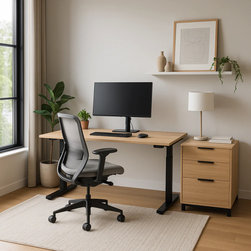


Designing Workspaces That Work: How Ergonomics & Aesthetics Empower Australia’s
Australia’s workplace has undergone a radical evolution. Remote work and hybrid roles are here to stay, prompting a surge of interest in high-functioning, stylish home offices. But beyond Pinterest-worthy aesthetics, there’s a practical need emerging: how to create a workspace that supports health, productivity, and personal taste—without compromise.
The answer lies in the intersection of ergonomics and design.
Whether you're a designer styling a client’s study, a small business owner fitting out your spare room, or a buyer procuring for a corporate executive, the shift is clear: ergonomic furniture is no longer just functional—it’s foundational to the modern Australian office.
Why Ergonomics Is Essential in Interior Design Today
Ergonomics is about more than just comfort. It’s a science-driven design philosophy focused on fitting the workspace to the user’s physical needs. In a country where one in three workers now spends part of the week working from home, this isn’t optional—it’s essential.
Poor ergonomics can lead to back pain, fatigue, neck stiffness, and RSI. Left unaddressed, these physical stressors begin to affect mental clarity and morale.
That’s why Australian professionals are turning to furniture that adapts to them—not the other way around. Smart ergonomic design reduces friction, increases focus, and makes working from home feel not just possible, but pleasurable.
The Role of Ergonomics in Style-Conscious Interiors
Gone are the days when ergonomic meant industrial and uninspired. Modern workspace pieces fuse sculptural form with biomechanical function. Designers working with small business clients in Byron Bay, or tech professionals in inner-city Sydney, know their clients demand both posture support and polished aesthetics.
Sleek timber finishes, fabric textures, and minimalist silhouettes are helping Australians integrate ergonomic elements into their homes without disrupting the look and feel of their interiors. It's now common to see items like Sit Stand Desks take centre stage in living spaces, not hide away in the corner.
How Furniture Influences Focus, Mood & Collaboration
Research continues to show the powerful link between physical comfort and cognitive performance. A chair that supports spinal alignment doesn’t just reduce pain—it improves decision-making and sustained concentration. A standing desk promotes movement, circulation, and energy.
This has far-reaching implications for solo workers and team environments. With many Australian homes now doubling as Zoom rooms, presentation stages, and co-creation studios, furniture becomes a tool for better interaction and clearer communication.
A thoughtfully designed setup even enhances the perceived professionalism of remote teams—a benefit increasingly valued in the business, government, and education sectors.
Australians Expect More from Workspace Furniture
It’s not just the working environment that’s changed—it’s the Australian consumer.
This evolution means furniture makers and suppliers must raise the bar. It’s not enough to sell a desk—it needs to be beautiful, adjustable, durable, and easy to integrate with home décor.
Brands and designers that meet these expectations stand to lead the next wave of workspace innovation. A growing number are already doing so through product collections that are as high-performing as they are visually refined.
Key Elements of a Future-Ready Home Office
Making Ergonomics Part of Your Brand Story
For interior designers, architects, and property stylists, ergonomics offers more than utility—it adds depth to your design narrative. Clients who feel heard in their comfort needs are more satisfied, more loyal, and more likely to refer others.
Workplaces—whether at home or in commercial settings—are a growing frontier of health-first design. And at the heart of that lies furniture that is intelligent, adaptable, and human-centred.
Whether outfitting a home study in the suburbs or a satellite office in the city, smart workspace design is no longer an optional upgrade. It’s a core part of how Australians live and work.
Find the Furniture That Works as Hard as You Do
Smart workspaces begin with smart decisions. From corporate buyers to creative freelancers, those investing in their workspace are investing in their well-being, image, and output.
If you’re ready to create a home office environment that supports your body as much as your business, discover a curated collection of ergonomic furniture solutions for modern workspaces—crafted for Australian standards, with enduring design appeal.
The answer lies in the intersection of ergonomics and design.
Whether you're a designer styling a client’s study, a small business owner fitting out your spare room, or a buyer procuring for a corporate executive, the shift is clear: ergonomic furniture is no longer just functional—it’s foundational to the modern Australian office.
Why Ergonomics Is Essential in Interior Design Today
Ergonomics is about more than just comfort. It’s a science-driven design philosophy focused on fitting the workspace to the user’s physical needs. In a country where one in three workers now spends part of the week working from home, this isn’t optional—it’s essential.
Poor ergonomics can lead to back pain, fatigue, neck stiffness, and RSI. Left unaddressed, these physical stressors begin to affect mental clarity and morale.
That’s why Australian professionals are turning to furniture that adapts to them—not the other way around. Smart ergonomic design reduces friction, increases focus, and makes working from home feel not just possible, but pleasurable.
The Role of Ergonomics in Style-Conscious Interiors
Gone are the days when ergonomic meant industrial and uninspired. Modern workspace pieces fuse sculptural form with biomechanical function. Designers working with small business clients in Byron Bay, or tech professionals in inner-city Sydney, know their clients demand both posture support and polished aesthetics.
Sleek timber finishes, fabric textures, and minimalist silhouettes are helping Australians integrate ergonomic elements into their homes without disrupting the look and feel of their interiors. It's now common to see items like Sit Stand Desks take centre stage in living spaces, not hide away in the corner.
How Furniture Influences Focus, Mood & Collaboration
Research continues to show the powerful link between physical comfort and cognitive performance. A chair that supports spinal alignment doesn’t just reduce pain—it improves decision-making and sustained concentration. A standing desk promotes movement, circulation, and energy.
This has far-reaching implications for solo workers and team environments. With many Australian homes now doubling as Zoom rooms, presentation stages, and co-creation studios, furniture becomes a tool for better interaction and clearer communication.
A thoughtfully designed setup even enhances the perceived professionalism of remote teams—a benefit increasingly valued in the business, government, and education sectors.
Australians Expect More from Workspace Furniture
It’s not just the working environment that’s changed—it’s the Australian consumer.
- Highly educated about ergonomics
- Aesthetically selective
- Conscious of sustainability and materials
- Focused on value, longevity, and flexibility
This evolution means furniture makers and suppliers must raise the bar. It’s not enough to sell a desk—it needs to be beautiful, adjustable, durable, and easy to integrate with home décor.
Brands and designers that meet these expectations stand to lead the next wave of workspace innovation. A growing number are already doing so through product collections that are as high-performing as they are visually refined.
Key Elements of a Future-Ready Home Office
- Purpose-first layout: Understand the daily use of the space before choosing furniture.
- Adjustability: Select Chairs and sit-stand desks suited for various body types.
- Material Integrity: Choose tactile, low-maintenance materials like oak veneers and breathable fabrics.
- Tech Integration: Cable management, monitor positioning, and charging ports should be integrated into the design.
- Lighting and Acoustics: Invest in task lighting and acoustic dampening for professional-grade Zoom calls and content creation.
Making Ergonomics Part of Your Brand Story
For interior designers, architects, and property stylists, ergonomics offers more than utility—it adds depth to your design narrative. Clients who feel heard in their comfort needs are more satisfied, more loyal, and more likely to refer others.
Workplaces—whether at home or in commercial settings—are a growing frontier of health-first design. And at the heart of that lies furniture that is intelligent, adaptable, and human-centred.
Whether outfitting a home study in the suburbs or a satellite office in the city, smart workspace design is no longer an optional upgrade. It’s a core part of how Australians live and work.
Find the Furniture That Works as Hard as You Do
Smart workspaces begin with smart decisions. From corporate buyers to creative freelancers, those investing in their workspace are investing in their well-being, image, and output.
If you’re ready to create a home office environment that supports your body as much as your business, discover a curated collection of ergonomic furniture solutions for modern workspaces—crafted for Australian standards, with enduring design appeal.