

Electrical Safety Outdoors: Why Waterproof Components Matter
Outdoor living is now a core part of many Australian homes. Garden lighting, patio kitchens, pool equipment and garage power tools all bring electricity into demanding environments where rain, dust and UV exposure are part of daily life. While these upgrades improve comfort and style, they also introduce new risks if the wrong components are used. The simplest way to protect people and property is to choose purpose-built, waterproof electrical products for every outdoor installation.
This guide explains why waterproof components are essential and how three categories— waterproof switch socket, waterproof junction box, and waterproof connector—work together to deliver safe, reliable power outside the home or on commercial sites.
Common Risks of Outdoor Electrical Installations
To counter these risks, outdoor products should meet appropriate IP ratings (Ingress Protection). IP65 and above are typically recommended to ensure dust-tight construction and resistance to water jets or heavy rain. Correct selection and installation are just as important as the rating itself.
Choosing the Right Waterproof Electrical Components
Waterproof Switch Sockets
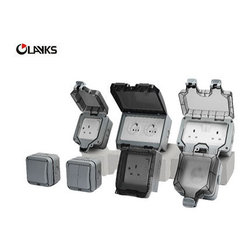
Everyday convenience in outdoor areas often depends on access to robust power outlets. A waterproof switch socket gives homeowners and contractors a safe way to run pool pumps, pressure washers, BBQ equipment, garden lighting and portable tools. Quality units feature a sealed enclosure with a hinged, transparent cover so the switch can be operated without exposing the socket to rain. UV-stable plastics and stainless hardware help the enclosure maintain its seal over years of sun and salt-air exposure.
Waterproof Junction Boxes
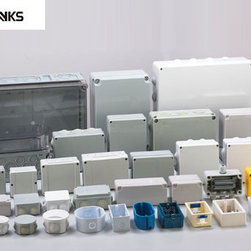
Any time cables must be extended, branched or terminated outdoors, a waterproof junction box is essential. The enclosure shields terminations from weather and mechanical impact, providing a proper environment for connectors, terminal blocks or WAGO-style clips. Using a box also prevents the unsafe practice of taping open splices or leaving connections exposed beneath eaves.
Waterproof Connectors
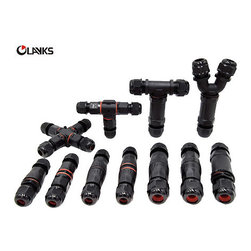
When quick, modular connections are needed—garden lights, signage, temporary festival power, solar accessories—a waterproof connector offers plug-and-play convenience without sacrificing protection. Threaded barrels or bayonet locks compress an O-ring to maintain the seal, while keyed designs prevent polarity mistakes.
Installation Tips for Maximum Safety
Applications in Residential & Commercial Projects
Residential
Patios and decks benefit from protected outlets for outdoor kitchens and heaters. Garages and sheds need reliable sockets for chargers and power tools. Around swimming pools, pumps and control panels require watertight enclosures to minimise shock risk. Garden paths and pergolas often use low-voltage lighting where sealed connectors make expansion simple.
Commercial
Cafés and venues extend seating outdoors, requiring protected outlets for lighting and POS equipment. Construction sites face dust and spray daily; rugged boxes and sockets reduce failures and downtime. Retail signage and carpark lighting rely on sealed connections to operate through storms and summer heat without maintenance.
Putting It All Together
A safe outdoor electrical system is the sum of its parts. The outlet that feeds equipment should be a weather-ready waterproof switch socket. Every splice or branch should live inside a sealed waterproof junction box. And wherever flexibility or quick assembly is needed, specify a dependable waterproof connector. Selecting IP-rated products and installing them correctly reduces electrical hazards, extends service life and keeps projects compliant.
Conclusion
Outdoor spaces expose electrical equipment to conditions that indoor components were never meant to handle. By using genuine waterproof solutions—switch sockets, junction boxes and connectors—you can deliver reliable power that stands up to rain, dust and daily use. Whether you are a homeowner planning a garden upgrade or a contractor outfitting commercial venues, investing in the right components pays off in safety, performance and peace of mind.
This guide explains why waterproof components are essential and how three categories— waterproof switch socket, waterproof junction box, and waterproof connector—work together to deliver safe, reliable power outside the home or on commercial sites.
Common Risks of Outdoor Electrical Installations
- Water ingress & corrosion. Moisture that reaches contacts can corrode metal parts, raise resistance and cause overheating or failure.
- Short circuits & fire hazards. Damp cables and open splices increase the chance of arcing and shorting.
- Electric shock. A wet or damaged outlet is dangerous for anyone plugging in appliances in bare feet or on wet ground.
- Dust, insects & debris. Outdoor environments introduce contaminants that compromise insulation and terminations.
To counter these risks, outdoor products should meet appropriate IP ratings (Ingress Protection). IP65 and above are typically recommended to ensure dust-tight construction and resistance to water jets or heavy rain. Correct selection and installation are just as important as the rating itself.
Choosing the Right Waterproof Electrical Components
Waterproof Switch Sockets
Everyday convenience in outdoor areas often depends on access to robust power outlets. A waterproof switch socket gives homeowners and contractors a safe way to run pool pumps, pressure washers, BBQ equipment, garden lighting and portable tools. Quality units feature a sealed enclosure with a hinged, transparent cover so the switch can be operated without exposing the socket to rain. UV-stable plastics and stainless hardware help the enclosure maintain its seal over years of sun and salt-air exposure.
Waterproof Junction Boxes
Any time cables must be extended, branched or terminated outdoors, a waterproof junction box is essential. The enclosure shields terminations from weather and mechanical impact, providing a proper environment for connectors, terminal blocks or WAGO-style clips. Using a box also prevents the unsafe practice of taping open splices or leaving connections exposed beneath eaves.
Waterproof Connectors
When quick, modular connections are needed—garden lights, signage, temporary festival power, solar accessories—a waterproof connector offers plug-and-play convenience without sacrificing protection. Threaded barrels or bayonet locks compress an O-ring to maintain the seal, while keyed designs prevent polarity mistakes.
Installation Tips for Maximum Safety
- Seal every entry point. Use the correct cable glands, tighten to specification and avoid nicking gaskets.
- Choose the right cable size. Match conductor cross-section to the circuit’s load and length to prevent voltage drop and overheating.
- Mount above splash zones. Elevate sockets and boxes from the ground and away from direct sprinkler spray.
- Provide strain relief. Prevent tension on terminals by securing cables inside the enclosure.
- Follow local rules. Comply with AS/NZS wiring requirements and engage a licensed electrician for new circuits or complex work.
Applications in Residential & Commercial Projects
Residential
Patios and decks benefit from protected outlets for outdoor kitchens and heaters. Garages and sheds need reliable sockets for chargers and power tools. Around swimming pools, pumps and control panels require watertight enclosures to minimise shock risk. Garden paths and pergolas often use low-voltage lighting where sealed connectors make expansion simple.
Commercial
Cafés and venues extend seating outdoors, requiring protected outlets for lighting and POS equipment. Construction sites face dust and spray daily; rugged boxes and sockets reduce failures and downtime. Retail signage and carpark lighting rely on sealed connections to operate through storms and summer heat without maintenance.
Putting It All Together
A safe outdoor electrical system is the sum of its parts. The outlet that feeds equipment should be a weather-ready waterproof switch socket. Every splice or branch should live inside a sealed waterproof junction box. And wherever flexibility or quick assembly is needed, specify a dependable waterproof connector. Selecting IP-rated products and installing them correctly reduces electrical hazards, extends service life and keeps projects compliant.
Conclusion
Outdoor spaces expose electrical equipment to conditions that indoor components were never meant to handle. By using genuine waterproof solutions—switch sockets, junction boxes and connectors—you can deliver reliable power that stands up to rain, dust and daily use. Whether you are a homeowner planning a garden upgrade or a contractor outfitting commercial venues, investing in the right components pays off in safety, performance and peace of mind.