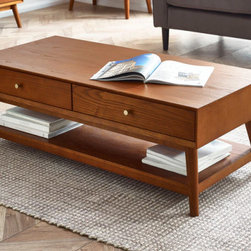


Coffee Tables: The New Social Focus
In a world increasingly shaped by screens, notifications and constant digital noise, something subtle but meaningful is shifting inside our homes. Living spaces are being rethought. The dominance of the television is no longer a given, and many people are choosing to design rooms around connection rather than consumption. At the centre of this change sits an often overlooked piece of furniture, quietly reclaiming its importance. The coffee table.
Once seen as a supporting act to sofas and media units, the coffee table is stepping into a more intentional role. It is becoming the heart of the room. A place where people gather, pause, talk and share. This shift reflects a wider desire for slower living and more mindful use of our spaces. As our homes become multifunctional, doubling as places to work, relax and socialise, the coffee table has emerged as a symbol of togetherness and conscious design.
Rediscovering the art of conversation
For years, living rooms were designed to face a single focal point. Seating angled towards a screen encouraged passive viewing rather than interaction. Conversation happened in the margins, often competing with background noise. As priorities change, many households are moving away from this layout, choosing instead to centre the room around a shared surface.
The coffee table naturally invites people to face one another. Drinks are placed down. Books are opened. Games are laid out. Without the pull of a glowing screen, conversations feel easier and more intentional. Stories flow. Laughter lasts longer. Even silence feels comfortable when everyone is present in the same moment. The coffee table does not demand attention. It simply supports it.
A softer kind of togetherness
Unlike large televisions, which tend to dominate both visually and socially, coffee tables offer a gentler focal point. Their low height keeps sightlines open and encourages relaxed posture. People lean in rather than sitting back. This subtle physical shift changes the energy of a room.
Whether it is a slow Sunday morning coffee, a casual catch up with friends, or a family board game that stretches into the evening, the coffee table creates a shared centre without overpowering the space. It becomes a quiet anchor that brings people closer together. The atmosphere feels warmer, more human, and less performative.
Design that adapts to modern life
One of the reasons coffee tables have regained popularity is their flexibility. Unlike fixed media units, they adapt easily to different needs and room sizes. Design options now range from sculptural statement pieces to understated forms that blend seamlessly into their surroundings.
Round coffee tables encourage flow and conversation, especially in smaller rooms. Rectangular designs work well in larger spaces where seating stretches further out. Materials also play a role in how a coffee table feels within a space. Wood adds warmth and texture. Stone and marble bring a sense of calm solidity. Glass opens up the room and reflects light.
Functionality has evolved too. Many coffee tables now include discreet storage, nesting elements, or lift tops that transform the surface into a workspace or dining spot. This adaptability suits homes where every piece of furniture needs to earn its place. The coffee table is no longer static. It moves with the rhythms of daily life.
Styling as a form of expression
As coffee tables become more central, the way they are styled has taken on new importance. Rather than being cluttered with remote controls and forgotten items, they are increasingly treated as curated surfaces that reflect personal taste.
A stack of well loved books. A ceramic bowl collected on holiday. A candle that signals the end of the day. These small choices turn the coffee table into a visual story. It becomes a place to showcase objects that matter, without feeling staged or untouchable. Because the coffee table sits at eye level when seated, these details are noticed and shared. They spark conversation in quiet, organic ways.
Encouraging mindful moments
There is something grounding about gathering around a coffee table. It encourages activities that involve hands and presence rather than constant scrolling. Reading a few pages. Writing a note. Playing cards. Even simply resting a mug and watching the light change across the room.
In choosing to prioritise the coffee table over the screen, many people are making a conscious decision to slow down. This does not mean rejecting technology entirely. It means creating balance. The coffee table becomes a reminder that not every moment needs to be filled with stimulation. Sometimes, being together in the same space is enough.
A shift in how we entertain
Entertaining has changed too. Hosting no longer has to revolve around formal dining or background television. Coffee tables allow for more relaxed, inclusive gatherings. Guests can perch comfortably, help themselves, and feel part of a shared moment rather than spectators.
Food is passed around. Glasses are refilled. Games appear unexpectedly. The coffee table supports this ease. It removes hierarchy from the room and replaces it with openness. Everyone gathers on equal footing, both literally and socially.
Creating homes that feel lived in
At its core, the rise of the coffee table as a social focus reflects a broader shift in how we want our homes to feel. Less showroom. More lived in. Less performative. More personal.
By centring rooms around connection rather than consumption, we create spaces that support real life. Spaces where conversations linger and routines soften. The coffee table plays a small but meaningful role in this transformation. It reminds us that living room furniture is not just about filling a room, but about shaping how we use it.
In a time when screens are everywhere, choosing to gather around a coffee table feels quietly radical. It is a return to presence, to shared experience, and to the simple joy of sitting together with nowhere else to be. One conversation at a time, the coffee table is reclaiming its place at the heart of the home.
Once seen as a supporting act to sofas and media units, the coffee table is stepping into a more intentional role. It is becoming the heart of the room. A place where people gather, pause, talk and share. This shift reflects a wider desire for slower living and more mindful use of our spaces. As our homes become multifunctional, doubling as places to work, relax and socialise, the coffee table has emerged as a symbol of togetherness and conscious design.
Rediscovering the art of conversation
For years, living rooms were designed to face a single focal point. Seating angled towards a screen encouraged passive viewing rather than interaction. Conversation happened in the margins, often competing with background noise. As priorities change, many households are moving away from this layout, choosing instead to centre the room around a shared surface.
The coffee table naturally invites people to face one another. Drinks are placed down. Books are opened. Games are laid out. Without the pull of a glowing screen, conversations feel easier and more intentional. Stories flow. Laughter lasts longer. Even silence feels comfortable when everyone is present in the same moment. The coffee table does not demand attention. It simply supports it.
A softer kind of togetherness
Unlike large televisions, which tend to dominate both visually and socially, coffee tables offer a gentler focal point. Their low height keeps sightlines open and encourages relaxed posture. People lean in rather than sitting back. This subtle physical shift changes the energy of a room.
Whether it is a slow Sunday morning coffee, a casual catch up with friends, or a family board game that stretches into the evening, the coffee table creates a shared centre without overpowering the space. It becomes a quiet anchor that brings people closer together. The atmosphere feels warmer, more human, and less performative.
Design that adapts to modern life
One of the reasons coffee tables have regained popularity is their flexibility. Unlike fixed media units, they adapt easily to different needs and room sizes. Design options now range from sculptural statement pieces to understated forms that blend seamlessly into their surroundings.
Round coffee tables encourage flow and conversation, especially in smaller rooms. Rectangular designs work well in larger spaces where seating stretches further out. Materials also play a role in how a coffee table feels within a space. Wood adds warmth and texture. Stone and marble bring a sense of calm solidity. Glass opens up the room and reflects light.
Functionality has evolved too. Many coffee tables now include discreet storage, nesting elements, or lift tops that transform the surface into a workspace or dining spot. This adaptability suits homes where every piece of furniture needs to earn its place. The coffee table is no longer static. It moves with the rhythms of daily life.
Styling as a form of expression
As coffee tables become more central, the way they are styled has taken on new importance. Rather than being cluttered with remote controls and forgotten items, they are increasingly treated as curated surfaces that reflect personal taste.
A stack of well loved books. A ceramic bowl collected on holiday. A candle that signals the end of the day. These small choices turn the coffee table into a visual story. It becomes a place to showcase objects that matter, without feeling staged or untouchable. Because the coffee table sits at eye level when seated, these details are noticed and shared. They spark conversation in quiet, organic ways.
Encouraging mindful moments
There is something grounding about gathering around a coffee table. It encourages activities that involve hands and presence rather than constant scrolling. Reading a few pages. Writing a note. Playing cards. Even simply resting a mug and watching the light change across the room.
In choosing to prioritise the coffee table over the screen, many people are making a conscious decision to slow down. This does not mean rejecting technology entirely. It means creating balance. The coffee table becomes a reminder that not every moment needs to be filled with stimulation. Sometimes, being together in the same space is enough.
A shift in how we entertain
Entertaining has changed too. Hosting no longer has to revolve around formal dining or background television. Coffee tables allow for more relaxed, inclusive gatherings. Guests can perch comfortably, help themselves, and feel part of a shared moment rather than spectators.
Food is passed around. Glasses are refilled. Games appear unexpectedly. The coffee table supports this ease. It removes hierarchy from the room and replaces it with openness. Everyone gathers on equal footing, both literally and socially.
Creating homes that feel lived in
At its core, the rise of the coffee table as a social focus reflects a broader shift in how we want our homes to feel. Less showroom. More lived in. Less performative. More personal.
By centring rooms around connection rather than consumption, we create spaces that support real life. Spaces where conversations linger and routines soften. The coffee table plays a small but meaningful role in this transformation. It reminds us that living room furniture is not just about filling a room, but about shaping how we use it.
In a time when screens are everywhere, choosing to gather around a coffee table feels quietly radical. It is a return to presence, to shared experience, and to the simple joy of sitting together with nowhere else to be. One conversation at a time, the coffee table is reclaiming its place at the heart of the home.