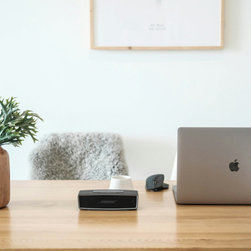


Considerations for Setting Up a Home Office: Workstation Desks for Remote Work
Remote work has become the order of the day in recent years, with more individuals embracing the flexibility and convenience it offers post-pandemic. As people adapt to this new way of working, the significance of a suitable workstation desk cannot be overstated. A comfortable and functional desk is fundamental for productivity, comfort, and overall well-being while working from home.
In this blog, we aim to dissect the essential features one should consider when choosing a desk for a home office setup. By understanding these key elements, individuals can create an optimal workspace conducive to efficient and enjoyable remote work experiences.
Ergonomic Design
Ergonomic principles focus on creating a workspace that supports the natural alignment of the body, reducing strain and fatigue. Proper posture plays a crucial role in preventing discomfort and potential health issues associated with prolonged sitting. Look for workstation desks with adjustable height settings, allowing users to customise to suit their individual needs. Lumbar support is essential for maintaining the natural curve of the spine, promoting a healthy sitting position. Additionally, ample legroom prevents constriction and promotes circulation, further enhancing comfort during extended periods of sitting. By incorporating these features into your home office desk, you can create a conducive environment for remote work that prioritises both comfort and productivity.
Size and Space Considerations
Assessing the dimensions of the room helps determine the suitable size for the workstation desk. Opting for a desk that fits without overcrowding the room is key to maintaining a functional and organised office area. Consideration can be given to various desk configurations such as corner desks, L-shaped desks, or compact desks, especially when dealing with limited space. These options offer versatility while maximising the available area, allowing for effective utilisation of the home office space. By selecting the right desk size and configuration, remote workers can create an ergonomic and productive workspace tailored to their needs.
Storage Solutions
Efficient storage helps keep your workspace clutter-free, making it easier to focus on tasks at hand. There are various types of storage options to choose from, including drawers, shelves, cabinets, and built-in organisers. Drawers are handy for keeping small items like pens, paper clips, and notepads within reach, while shelves can hold books, binders, and decorative items. Cabinets offer concealed storage for larger items or files, helping maintain a tidy appearance. Built-in organisers, such as desk trays or cable management systems, help maximise space and keep cords neat. However, it's crucial to balance storage needs with desk space and aesthetics to ensure a functional and visually pleasing workspace. Opting for storage solutions that complement your workstation desk can enhance efficiency without sacrificing style.
Cable Management
Nobody wants a cluttered workspace with cables snaking all over the place. Look for workstation desks that come with built-in solutions for cable management, like trays, grommets, or channels. These features help keep cables organised and out of sight, creating a cleaner and safer environment to work in. Additionally, there are simple tips you can follow to further organise and conceal cables. Utilise cable ties or clips to group cables together and prevent tangling. Route cables along the edges of your desk or behind furniture to keep them out of sight. Investing a bit of time and effort into cable management can greatly improve the functionality and aesthetics of your home office setup.
Material and Construction
There are a few common options to consider when choosing the right desk material for your home office: wood, metal, glass, and composite materials. Wood desks offer a classic look and come in various finishes like oak, pine, or walnut. They're durable and can fit different styles, but they may cost more. Metal desks are sturdy and often sleek, suitable for modern or industrial aesthetics. Glass desks bring a contemporary vibe and make small spaces appear larger, but they can be prone to smudges and may not be as durable. Composite materials, like laminate or MDF, offer affordability and versatility, mimicking the look of wood or metal at a lower cost. When choosing, think about durability, style preference, and budget constraints. Additionally, consider eco-friendly options such as desks made from sustainable materials like reclaimed wood or bamboo. These choices not only contribute to a greener environment but also add a unique touch to your workspace.
Style and Aesthetics
Your desk speaks volumes about your style and preferences. Think about what kind of vibe you want your office to have. Are you into contemporary designs with sleek lines and modern finishes? Or maybe you prefer the timeless elegance of traditional furniture. If simplicity is your thing, a minimalist desk could be the way to go, keeping things clean and uncluttered. On the other hand, if you're drawn to the rugged charm of industrial decor, a desk with raw materials like wood and metal might be more your speed. Whatever your style, it's essential to choose a desk that harmonises with the rest of your furniture and decor. You want everything to mesh together seamlessly, creating a cohesive look that feels intentional. So, when browsing for that perfect desk, keep your personal style and existing decor in mind to ensure your home office is both functional and visually appealing.
Budget and Value
Determining a budget for your desk is a smart move when setting up your home office workstation. You'll want to balance the cost with the quality and features you need. A higher price doesn't always mean better quality, so it's important to research and compare options. Look for desks made of durable materials like solid wood or metal to ensure longevity. Consider features like adjustable height, storage space, and cable management to enhance functionality. Remember, investing in a quality desk now can save you money in the long run by avoiding replacements or repairs. So, take your time to choose wisely, keeping both your immediate needs and long-term goals in mind.
Adaptability and Flexibility
Future-proofing your workspace means investing in a versatile desk that can evolve with your needs. Modular desks offer customizable layouts to accommodate changing work requirements, whether it's adding storage, extra surface area, or adjusting the height for ergonomic comfort. Standing desk options provide health and productivity benefits, allowing you to alternate between sitting and standing throughout the day, reducing sedentary behaviour and improving circulation. By prioritising adaptability and flexibility in your workstation desks, you ensure a workspace that can grow and adapt alongside your evolving remote work needs.
Conclusion
Optimising your home office setup requires some thoughtful consideration of several key features. Comfort, functionality, and personal preference stand out as crucial factors in creating the ideal working space in the home. Prioritising ergonomic design ensures proper posture and reduces strain during extended work sessions. Size and space considerations help maintain a functional and organised workspace, while efficient storage solutions declutter the area, enhancing focus and productivity. Cable management solutions and material choices contribute to both functionality and aesthetics, allowing for a clean and visually pleasing work environment. Additionally, considering adaptability and flexibility ensures that the workstation desk can evolve alongside changing work needs. By investing time and thought into these aspects, individuals can create a productive and comfortable home office space conducive to efficient remote work experiences.
In this blog, we aim to dissect the essential features one should consider when choosing a desk for a home office setup. By understanding these key elements, individuals can create an optimal workspace conducive to efficient and enjoyable remote work experiences.
Ergonomic Design
Ergonomic principles focus on creating a workspace that supports the natural alignment of the body, reducing strain and fatigue. Proper posture plays a crucial role in preventing discomfort and potential health issues associated with prolonged sitting. Look for workstation desks with adjustable height settings, allowing users to customise to suit their individual needs. Lumbar support is essential for maintaining the natural curve of the spine, promoting a healthy sitting position. Additionally, ample legroom prevents constriction and promotes circulation, further enhancing comfort during extended periods of sitting. By incorporating these features into your home office desk, you can create a conducive environment for remote work that prioritises both comfort and productivity.
Size and Space Considerations
Assessing the dimensions of the room helps determine the suitable size for the workstation desk. Opting for a desk that fits without overcrowding the room is key to maintaining a functional and organised office area. Consideration can be given to various desk configurations such as corner desks, L-shaped desks, or compact desks, especially when dealing with limited space. These options offer versatility while maximising the available area, allowing for effective utilisation of the home office space. By selecting the right desk size and configuration, remote workers can create an ergonomic and productive workspace tailored to their needs.
Storage Solutions
Efficient storage helps keep your workspace clutter-free, making it easier to focus on tasks at hand. There are various types of storage options to choose from, including drawers, shelves, cabinets, and built-in organisers. Drawers are handy for keeping small items like pens, paper clips, and notepads within reach, while shelves can hold books, binders, and decorative items. Cabinets offer concealed storage for larger items or files, helping maintain a tidy appearance. Built-in organisers, such as desk trays or cable management systems, help maximise space and keep cords neat. However, it's crucial to balance storage needs with desk space and aesthetics to ensure a functional and visually pleasing workspace. Opting for storage solutions that complement your workstation desk can enhance efficiency without sacrificing style.
Cable Management
Nobody wants a cluttered workspace with cables snaking all over the place. Look for workstation desks that come with built-in solutions for cable management, like trays, grommets, or channels. These features help keep cables organised and out of sight, creating a cleaner and safer environment to work in. Additionally, there are simple tips you can follow to further organise and conceal cables. Utilise cable ties or clips to group cables together and prevent tangling. Route cables along the edges of your desk or behind furniture to keep them out of sight. Investing a bit of time and effort into cable management can greatly improve the functionality and aesthetics of your home office setup.
Material and Construction
There are a few common options to consider when choosing the right desk material for your home office: wood, metal, glass, and composite materials. Wood desks offer a classic look and come in various finishes like oak, pine, or walnut. They're durable and can fit different styles, but they may cost more. Metal desks are sturdy and often sleek, suitable for modern or industrial aesthetics. Glass desks bring a contemporary vibe and make small spaces appear larger, but they can be prone to smudges and may not be as durable. Composite materials, like laminate or MDF, offer affordability and versatility, mimicking the look of wood or metal at a lower cost. When choosing, think about durability, style preference, and budget constraints. Additionally, consider eco-friendly options such as desks made from sustainable materials like reclaimed wood or bamboo. These choices not only contribute to a greener environment but also add a unique touch to your workspace.
Style and Aesthetics
Your desk speaks volumes about your style and preferences. Think about what kind of vibe you want your office to have. Are you into contemporary designs with sleek lines and modern finishes? Or maybe you prefer the timeless elegance of traditional furniture. If simplicity is your thing, a minimalist desk could be the way to go, keeping things clean and uncluttered. On the other hand, if you're drawn to the rugged charm of industrial decor, a desk with raw materials like wood and metal might be more your speed. Whatever your style, it's essential to choose a desk that harmonises with the rest of your furniture and decor. You want everything to mesh together seamlessly, creating a cohesive look that feels intentional. So, when browsing for that perfect desk, keep your personal style and existing decor in mind to ensure your home office is both functional and visually appealing.
Budget and Value
Determining a budget for your desk is a smart move when setting up your home office workstation. You'll want to balance the cost with the quality and features you need. A higher price doesn't always mean better quality, so it's important to research and compare options. Look for desks made of durable materials like solid wood or metal to ensure longevity. Consider features like adjustable height, storage space, and cable management to enhance functionality. Remember, investing in a quality desk now can save you money in the long run by avoiding replacements or repairs. So, take your time to choose wisely, keeping both your immediate needs and long-term goals in mind.
Adaptability and Flexibility
Future-proofing your workspace means investing in a versatile desk that can evolve with your needs. Modular desks offer customizable layouts to accommodate changing work requirements, whether it's adding storage, extra surface area, or adjusting the height for ergonomic comfort. Standing desk options provide health and productivity benefits, allowing you to alternate between sitting and standing throughout the day, reducing sedentary behaviour and improving circulation. By prioritising adaptability and flexibility in your workstation desks, you ensure a workspace that can grow and adapt alongside your evolving remote work needs.
Conclusion
Optimising your home office setup requires some thoughtful consideration of several key features. Comfort, functionality, and personal preference stand out as crucial factors in creating the ideal working space in the home. Prioritising ergonomic design ensures proper posture and reduces strain during extended work sessions. Size and space considerations help maintain a functional and organised workspace, while efficient storage solutions declutter the area, enhancing focus and productivity. Cable management solutions and material choices contribute to both functionality and aesthetics, allowing for a clean and visually pleasing work environment. Additionally, considering adaptability and flexibility ensures that the workstation desk can evolve alongside changing work needs. By investing time and thought into these aspects, individuals can create a productive and comfortable home office space conducive to efficient remote work experiences.