

Getting Prepared for a Wet Spring in South East Queensland
As the latest forecast predicts an extra wet spring in 2025 for South East Queensland, the area braces itself for some cold rainy days which can in themselves suck the joy out of the day, but also preparing homes to be flood ready.
South East Queensland is notorious for having heavy rainfall during autumn which is the normal wet season. But this year the weather guides are showing that SEQ could be in for one of the wettest springs on record.
Step 1: Clean Out Your Gutters
It is important to have your gutters cleaned out as this is the most common cause of water damage. Gutters that are full of leaves and debris can become problematic once they are flooded with water and can put stress on the structure, leading to cracks and leaks which can cost thousands to fix.
Use a gutter vacuuming company like Big Boys Gutter Vacuum Brisbane. These companies normally charge around $250 to provide a thorough cleaning of all your gutters.
Step 2: Check Roofs and Walls for Leaks
Be sure that there are no leaks in the roof or external walls that could become exacerbated during heavy rainfall. You can either get a builder inspection, a roofer, or do it yourself.
If you do find areas where water is getting in, you could try a simple solution like sandbags to help you get through the wet season.
Step 3: Improve Drainage Around the Home
If there are areas in your house where water builds up after heavy rainfall, it could be wise to create a new form of drainage to alleviate this pressure.
You can do this yourself by going to Bunnings, purchasing a plastic drain, and installing it at the bottom of the regularly flooded area, allowing it to overflow into a space that won’t build up. Otherwise, if you don’t consider yourself the DIY type, you can contact a landscaper or plumber who can easily help with such a task.
Step 4: Have an Emergency Flood Plan
In case of an emergency where flood risks are severe, it is best to leave your home and head to a safe area with low risk of flooding. Having a plan in advance helps reduce stress and keeps your family safe.
Step 5: Call a Professional Flood Restoration Company
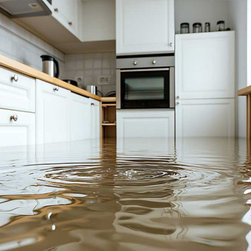
If water does get into your house — more likely for homes in flood zones — it is important to reach out quickly to a flood restoration company who can help reverse the damage before it sets in.
One company with a great reputation for fast arrival, reliable service, and affordable pricing in South East Queensland is A1 Restoration. Save their number in case of an emergency — their service area covers from the Sunshine Coast to North Brisbane.
What the Flood Restoration Process Looks Like
Professional restoration companies run an in-depth process which usually includes:
If there has been structural damage, they will also remove affected parts of the house — wooden beams, floorboards, carpet, gyprock, etc. — and organise replacement with new equivalents.
Step 6: Freshen Up with Carpet Cleaning
After a flood restoration job, it can be useful to get a professional carpet clean to restore freshness. Our recommended company is A1 Carpet Cleaning — a top-tier service at an affordable price.
✅ Final Call to Action:
If you want peace of mind heading into this wet season, save A1 Restoration and A1 Carpet Cleaning in your contacts today. Whether it’s flood restoration or a professional clean, you’ll have trusted experts on hand when you need them most.
South East Queensland is notorious for having heavy rainfall during autumn which is the normal wet season. But this year the weather guides are showing that SEQ could be in for one of the wettest springs on record.
Step 1: Clean Out Your Gutters
It is important to have your gutters cleaned out as this is the most common cause of water damage. Gutters that are full of leaves and debris can become problematic once they are flooded with water and can put stress on the structure, leading to cracks and leaks which can cost thousands to fix.
Use a gutter vacuuming company like Big Boys Gutter Vacuum Brisbane. These companies normally charge around $250 to provide a thorough cleaning of all your gutters.
Step 2: Check Roofs and Walls for Leaks
Be sure that there are no leaks in the roof or external walls that could become exacerbated during heavy rainfall. You can either get a builder inspection, a roofer, or do it yourself.
If you do find areas where water is getting in, you could try a simple solution like sandbags to help you get through the wet season.
Step 3: Improve Drainage Around the Home
If there are areas in your house where water builds up after heavy rainfall, it could be wise to create a new form of drainage to alleviate this pressure.
You can do this yourself by going to Bunnings, purchasing a plastic drain, and installing it at the bottom of the regularly flooded area, allowing it to overflow into a space that won’t build up. Otherwise, if you don’t consider yourself the DIY type, you can contact a landscaper or plumber who can easily help with such a task.
Step 4: Have an Emergency Flood Plan
In case of an emergency where flood risks are severe, it is best to leave your home and head to a safe area with low risk of flooding. Having a plan in advance helps reduce stress and keeps your family safe.
Step 5: Call a Professional Flood Restoration Company
If water does get into your house — more likely for homes in flood zones — it is important to reach out quickly to a flood restoration company who can help reverse the damage before it sets in.
One company with a great reputation for fast arrival, reliable service, and affordable pricing in South East Queensland is A1 Restoration. Save their number in case of an emergency — their service area covers from the Sunshine Coast to North Brisbane.
What the Flood Restoration Process Looks Like
Professional restoration companies run an in-depth process which usually includes:
- Water Extraction – Bringing in a portable water extractor with a specialised water claw to remove as much floodwater as possible.
- Testing – Using thermal imaging cameras and moisture meters to check damage in walls, floors, carpet, concrete, and more.
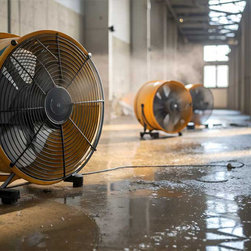
- Create a Drying Environment – Setting up dehumidifiers, air movers, and air scrubbers (which also help remove mould and contaminants from the air).
- Ongoing Checks – Daily checks to monitor progress and adjust the drying environment for maximum effectiveness.
- Final Tests – Completing final moisture and mould checks to confirm that all areas are sufficiently dried and safe.
If there has been structural damage, they will also remove affected parts of the house — wooden beams, floorboards, carpet, gyprock, etc. — and organise replacement with new equivalents.
Step 6: Freshen Up with Carpet Cleaning
After a flood restoration job, it can be useful to get a professional carpet clean to restore freshness. Our recommended company is A1 Carpet Cleaning — a top-tier service at an affordable price.
✅ Final Call to Action:
If you want peace of mind heading into this wet season, save A1 Restoration and A1 Carpet Cleaning in your contacts today. Whether it’s flood restoration or a professional clean, you’ll have trusted experts on hand when you need them most.