

Choosing the Right Sink Size for Your Kitchen: What Every Homeowner Should Know
Choosing the Right Sink Size for Your Kitchen: What Every Homeowner Should Know
Let’s face it—kitchen remodels are exciting, but also full of decisions. From cabinet finishes to countertop materials, there’s no shortage of choices to make. But one detail that often gets overlooked, and yet has a huge impact on both form and function, is the kitchen sink.
It’s easy to assume that all sinks are basically the same. But choosing the right sink size for your cabinet can make the difference between a seamless design and one full of frustration. Whether you're planning a full renovation or just upgrading your current setup, understanding how sink size impacts workflow, design balance, and overall kitchen functionality is key.
Why Sink Size Matters More Than You Think
Your sink is one of the most used items in your kitchen. It’s where you rinse veggies, soak pans, bathe your baby, or even wash the family dog. Choosing a sink that’s too small can feel cramped and inconvenient. On the flip side, a sink that’s too large for your cabinet can lead to costly issues—like improper fit, plumbing headaches, or limited counter space.
Selecting the correct sink size isn’t just about picking something that looks good. It’s about making sure it fits your base cabinet, complements your countertop depth, and supports your lifestyle.
Start with the Cabinet
The most important measurement you’ll need to consider is the width of your sink base cabinet. Most base cabinets come in standard sizes—usually 24", 30", 33", or 36" wide. Your sink should always be at least 3 inches smaller than the interior width of your cabinet to ensure a proper fit and to leave room for mounting hardware and plumbing.
For example:
Make sure to measure from inside edge to inside edge of the cabinet—not just the front-facing exterior. If you’re working with custom cabinetry, communicate directly with your cabinet maker or contractor to confirm dimensions before purchasing a sink.
Undermount vs. Drop-In: What You Need to Know
Your installation method also affects the space requirements. Undermount sinks, which are installed beneath the countertop, require additional support and clearance underneath. This may reduce your usable cabinet storage, especially in smaller base sizes.
Drop-in sinks, on the other hand, rest on top of the counter cutout and can be slightly larger without compromising the fit. If you’re tight on space or working within a budget, a drop-in option may provide a more forgiving fit.
Undermount sinks, however, offer a sleek, modern look and are easier to clean—making them ideal for families and frequent cooks.
Don’t Forget Depth and Bowl Configuration
Width isn’t the only factor that matters. Sink depth can also impact cabinet compatibility, especially if you’re working around plumbing, garbage disposals, or other built-ins.
A sink that’s too deep might interfere with your cabinet drawer space or reduce under-sink storage. Shallower sinks, on the other hand, are easier to work with for children or people with mobility issues.
You’ll also want to consider bowl configuration:
Think about how you use your kitchen every day, and choose a setup that supports your workflow.
Consider Your Countertop and Surrounding Space
Your sink doesn’t exist in a vacuum—it’s part of a broader kitchen system. Make sure your chosen sink size leaves enough counter space on either side for prep, drying, and dish stacking. If your sink takes up too much real estate, it can make your kitchen feel cramped or unbalanced.
Additionally, if you’re working with stone countertops or custom slabs, your sink cutout will need to be planned well in advance to avoid delays or costly mistakes. A CAD drawing or sink template from the manufacturer can be extremely helpful here.
Material Matters Too
While not directly tied to sizing, the material of your sink can impact your daily experience. Copper, stainless steel, and fireclay all have different visual weights, thicknesses, and installation considerations.
For example:
Make sure your cabinet base and countertop are structurally prepared for the material you choose.
Final Tips for a Perfect Fit
A Small Choice That Makes a Big Impact
At the end of the day, your kitchen sink is more than just a basin—it’s a daily tool, a design focal point, and one of the hardest-working features in your home. Choosing the right size sink for your cabinet ensures that your kitchen not only looks beautiful, but functions beautifully too.
To choose the right sink, ask yourself, What size cabinet do I need? and ensure the sink is at least 3 inches smaller than the cabinet's interior width.
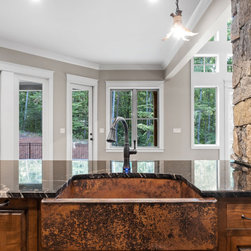
Whether you're installing a copper farmhouse sink for rustic charm or a sleek undermount for a modern vibe, size really does matter. Take the time to get it right, and your future self will thank you every time the dishes are done.
Let’s face it—kitchen remodels are exciting, but also full of decisions. From cabinet finishes to countertop materials, there’s no shortage of choices to make. But one detail that often gets overlooked, and yet has a huge impact on both form and function, is the kitchen sink.
It’s easy to assume that all sinks are basically the same. But choosing the right sink size for your cabinet can make the difference between a seamless design and one full of frustration. Whether you're planning a full renovation or just upgrading your current setup, understanding how sink size impacts workflow, design balance, and overall kitchen functionality is key.
Why Sink Size Matters More Than You Think
Your sink is one of the most used items in your kitchen. It’s where you rinse veggies, soak pans, bathe your baby, or even wash the family dog. Choosing a sink that’s too small can feel cramped and inconvenient. On the flip side, a sink that’s too large for your cabinet can lead to costly issues—like improper fit, plumbing headaches, or limited counter space.
Selecting the correct sink size isn’t just about picking something that looks good. It’s about making sure it fits your base cabinet, complements your countertop depth, and supports your lifestyle.
Start with the Cabinet
The most important measurement you’ll need to consider is the width of your sink base cabinet. Most base cabinets come in standard sizes—usually 24", 30", 33", or 36" wide. Your sink should always be at least 3 inches smaller than the interior width of your cabinet to ensure a proper fit and to leave room for mounting hardware and plumbing.
For example:
- A 36" sink base can usually accommodate a 33" sink.
- A 30" sink base is best paired with a 27" or smaller sink.
Make sure to measure from inside edge to inside edge of the cabinet—not just the front-facing exterior. If you’re working with custom cabinetry, communicate directly with your cabinet maker or contractor to confirm dimensions before purchasing a sink.
Undermount vs. Drop-In: What You Need to Know
Your installation method also affects the space requirements. Undermount sinks, which are installed beneath the countertop, require additional support and clearance underneath. This may reduce your usable cabinet storage, especially in smaller base sizes.
Drop-in sinks, on the other hand, rest on top of the counter cutout and can be slightly larger without compromising the fit. If you’re tight on space or working within a budget, a drop-in option may provide a more forgiving fit.
Undermount sinks, however, offer a sleek, modern look and are easier to clean—making them ideal for families and frequent cooks.
Don’t Forget Depth and Bowl Configuration
Width isn’t the only factor that matters. Sink depth can also impact cabinet compatibility, especially if you’re working around plumbing, garbage disposals, or other built-ins.
A sink that’s too deep might interfere with your cabinet drawer space or reduce under-sink storage. Shallower sinks, on the other hand, are easier to work with for children or people with mobility issues.
You’ll also want to consider bowl configuration:
- Single bowl sinks offer a large, uninterrupted space—great for washing big pots and pans.
- Double bowl sinks provide flexibility for multitasking (washing on one side, rinsing or drying on the other).
Think about how you use your kitchen every day, and choose a setup that supports your workflow.
Consider Your Countertop and Surrounding Space
Your sink doesn’t exist in a vacuum—it’s part of a broader kitchen system. Make sure your chosen sink size leaves enough counter space on either side for prep, drying, and dish stacking. If your sink takes up too much real estate, it can make your kitchen feel cramped or unbalanced.
Additionally, if you’re working with stone countertops or custom slabs, your sink cutout will need to be planned well in advance to avoid delays or costly mistakes. A CAD drawing or sink template from the manufacturer can be extremely helpful here.
Material Matters Too
While not directly tied to sizing, the material of your sink can impact your daily experience. Copper, stainless steel, and fireclay all have different visual weights, thicknesses, and installation considerations.
For example:
- A copper sink offers antimicrobial benefits and ages beautifully—but must be supported properly due to its handcrafted construction.
- A stainless steel sink is lightweight and resilient, but may feel less substantial in very large sizes unless reinforced.
- Fireclay or cast iron sinks are heavier and require extra cabinet support.
Make sure your cabinet base and countertop are structurally prepared for the material you choose.
Final Tips for a Perfect Fit
- Measure everything twice. Don’t rely on estimates—get exact internal cabinet measurements before shopping.
- Account for accessories. Will you be installing a garbage disposal, filtration system, or instant hot water? Make sure there’s room beneath your sink for all of it.
- Think about your faucet. A deeper or wider sink may require a faucet with a taller spout or pull-down functionality to reach all corners.
- Consider your family. For households with small children, multiple cooks, or elderly family members, ease of use is just as important as looks.
A Small Choice That Makes a Big Impact
At the end of the day, your kitchen sink is more than just a basin—it’s a daily tool, a design focal point, and one of the hardest-working features in your home. Choosing the right size sink for your cabinet ensures that your kitchen not only looks beautiful, but functions beautifully too.
To choose the right sink, ask yourself, What size cabinet do I need? and ensure the sink is at least 3 inches smaller than the cabinet's interior width.
Whether you're installing a copper farmhouse sink for rustic charm or a sleek undermount for a modern vibe, size really does matter. Take the time to get it right, and your future self will thank you every time the dishes are done.