

Donna’s Design Tip from In-Pulse CPR: Integrating an AED into Modern Home Design
In the realm of smart home technology, we often focus on convenience, efficiency, and security, encompassing automated lighting and climate control, as well as advanced surveillance systems. But what about the most critical aspect of home safety: immediate life-saving capability?
The Automated External Defibrillator (AED) is a compact, easy-to-use device proven to save lives during Sudden Cardiac Arrest (SCA). While traditionally found in public spaces, integrating an AED into the design of a modern, connected home is the most significant and responsible upgrade homeowners can make to their smart home.
Why an AED Belongs in Your Smart Home Design
Sudden Cardiac Arrest is a leading cause of death globally. For every minute of defibrillation delay, the chance of survival decreases by approximately 10%. With an average emergency response time often exceeding seven minutes, immediate access to an AED is critical.
1. Life-Saving Time Advantage
The single most compelling reason to own an AED is the time factor. If SCA strikes a resident or guest, those precious first few minutes are in the hands of the people on-site. Having an AED immediately accessible means bystanders can administer the necessary electrical shock long before professional help arrives, dramatically increasing the victim's chance of survival.
2. Ease of Use and Safety
Modern AEDs are designed for use by laypeople with minimal training. The device provides clear, step-by-step voice instructions, guiding the user through the process of applying pads and delivering a shock only if a shockable rhythm is detected. You cannot accidentally harm someone with a modern AED.
3. Comprehensive Home Safety
A smart home is a safe home. You invest in smoke detectors, carbon monoxide sensors, security cameras, and emergency lighting. Integrating an AED closes a significant gap in your home's safety profile, protecting not only your property but also the lives within it.
Seamless Integration: Making the AED a Design Feature
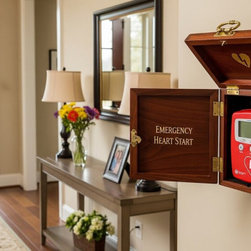
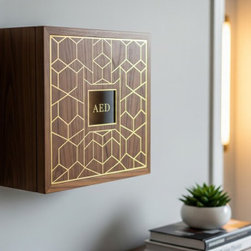
The challenge for the modern homeowner is to incorporate this vital piece of equipment without compromising the home's aesthetic. Fortunately, smart home design principles and modern product offerings provide elegant solutions.
1. Strategic and Accessible Placement
An AED should be stored in a central, well-known location. Ideal spots include:
The Mudroom/Entryway: Near the main entrance, accessible by all residents and guests, and easy for first responders to locate.
The Kitchen/Main Living Area: A high-traffic zone where most activity takes place.
Near a Home Gym or Pool: Areas where physical exertion or water-related incidents increase risk. Just make sure that water does not come into contact with the device.
3. Smart Connectivity Features
This is where the AED truly becomes a "smart" device:
Wi-Fi Monitoring: Many contemporary AEDs are equipped with Wi-Fi connectivity, enabling manufacturers or service providers to remotely monitor the device's battery life and expiration dates, ensuring it is always ready for use.
Emergency Alert Integration: The cabinet housing the AED can be wired into the home's primary security system or innovative smart home system (e.g., Apple HomeKit, Google Home). When the cabinet door is opened, the system can be programmed to trigger an auditory alarm, which alerts everyone in the house that a medical emergency is happening. The system can also be programmed to call 911 or turn on the lights that lead to the device.
The Financial and Emotional Investment
The cost of an AED ranges from approximately $1,200 to $2,000, comparable to the investment in a high-end appliance or an advanced security camera system. When weighed against the potential cost of a life—both financial and emotional—it is an investment with an immeasurable return.
Final Notes
Integrating an AED into your smart home design isn't just about maximizing safety; it's about making a profound statement regarding the value of well-being. It is the ultimate expression of responsible, thoughtful, and life-centered design. Consult with your home automation specialist or designer today to ensure this essential element of modern living is part of your next project.
Author: Donna Ryan is a writer and editor who lives in Tucson, AZ. She is a health writer for In-Pulse CPR. Contact her at donnar668@gmail.com.
The Automated External Defibrillator (AED) is a compact, easy-to-use device proven to save lives during Sudden Cardiac Arrest (SCA). While traditionally found in public spaces, integrating an AED into the design of a modern, connected home is the most significant and responsible upgrade homeowners can make to their smart home.
Why an AED Belongs in Your Smart Home Design
Sudden Cardiac Arrest is a leading cause of death globally. For every minute of defibrillation delay, the chance of survival decreases by approximately 10%. With an average emergency response time often exceeding seven minutes, immediate access to an AED is critical.
1. Life-Saving Time Advantage
The single most compelling reason to own an AED is the time factor. If SCA strikes a resident or guest, those precious first few minutes are in the hands of the people on-site. Having an AED immediately accessible means bystanders can administer the necessary electrical shock long before professional help arrives, dramatically increasing the victim's chance of survival.
2. Ease of Use and Safety
Modern AEDs are designed for use by laypeople with minimal training. The device provides clear, step-by-step voice instructions, guiding the user through the process of applying pads and delivering a shock only if a shockable rhythm is detected. You cannot accidentally harm someone with a modern AED.
3. Comprehensive Home Safety
A smart home is a safe home. You invest in smoke detectors, carbon monoxide sensors, security cameras, and emergency lighting. Integrating an AED closes a significant gap in your home's safety profile, protecting not only your property but also the lives within it.
Seamless Integration: Making the AED a Design Feature
The challenge for the modern homeowner is to incorporate this vital piece of equipment without compromising the home's aesthetic. Fortunately, smart home design principles and modern product offerings provide elegant solutions.
1. Strategic and Accessible Placement
An AED should be stored in a central, well-known location. Ideal spots include:
The Mudroom/Entryway: Near the main entrance, accessible by all residents and guests, and easy for first responders to locate.
The Kitchen/Main Living Area: A high-traffic zone where most activity takes place.
Near a Home Gym or Pool: Areas where physical exertion or water-related incidents increase risk. Just make sure that water does not come into contact with the device.
3. Smart Connectivity Features
This is where the AED truly becomes a "smart" device:
Wi-Fi Monitoring: Many contemporary AEDs are equipped with Wi-Fi connectivity, enabling manufacturers or service providers to remotely monitor the device's battery life and expiration dates, ensuring it is always ready for use.
Emergency Alert Integration: The cabinet housing the AED can be wired into the home's primary security system or innovative smart home system (e.g., Apple HomeKit, Google Home). When the cabinet door is opened, the system can be programmed to trigger an auditory alarm, which alerts everyone in the house that a medical emergency is happening. The system can also be programmed to call 911 or turn on the lights that lead to the device.
The Financial and Emotional Investment
The cost of an AED ranges from approximately $1,200 to $2,000, comparable to the investment in a high-end appliance or an advanced security camera system. When weighed against the potential cost of a life—both financial and emotional—it is an investment with an immeasurable return.
Final Notes
Integrating an AED into your smart home design isn't just about maximizing safety; it's about making a profound statement regarding the value of well-being. It is the ultimate expression of responsible, thoughtful, and life-centered design. Consult with your home automation specialist or designer today to ensure this essential element of modern living is part of your next project.
Author: Donna Ryan is a writer and editor who lives in Tucson, AZ. She is a health writer for In-Pulse CPR. Contact her at donnar668@gmail.com.