

10 Tips: What to Know as a First-Time Home Buyer
I remember the mix of excitement and sheer panic when my husband and I decided to buy our first home. We were scrolling through listings every night, dreaming about a backyard for our dog. But we quickly felt overwhelmed. The process seemed like a maze filled with unfamiliar terms and big financial decisions. We made a few mistakes early on, and I wish we'd had a clearer guide.
That's exactly why I'm sharing these tips. My goal is to help you, as a first-time buyer, feel more confident and avoid the common pitfalls we encountered. Think of this as a friendly chat from someone who's been in your shoes, to help you make smart choices from the start.
1. Take a Free Class from Fannie Mae
Before we even looked at houses, a friend suggested we check out the free resources from Fannie Mae. I'm so glad we did. Their "HomeView" learning path was a game-changer for us. It's not a sales pitch; it's a true educational course that walks you through the entire journey. We learned the basics of budgeting for a home, how credit impacts your options, and the different types of mortgages available.
It even helped us understand the closing process, so there were fewer surprises later. Spending a few hours on this free platform gave us the foundational knowledge we needed to have intelligent conversations with real estate agents and lenders. It made us feel in control, not lost.
2. Look Into First-Time Buyer Programs
Many people don't realize there are special programs designed just for them. I almost skipped over them, assuming we wouldn't qualify. But we did some digging and were pleasantly surprised. These programs, often run by state or local governments, can offer incredible benefits. We found one that offered down payment assistance, which was a huge help.
Others might provide grants or allow for a lower down payment. The key is to research what's available in your area. A good real estate agent can point you in the right direction. These programs exist to make homeownership more accessible, so take advantage of them if you can.
3. Know Your True Budget and Stick to It
It's so easy to fall in love with a house that's just a little over your budget. We almost did. But our real estate agent sat us down and had us look beyond the monthly mortgage payment. She outlined all the other costs we'd be responsible for. There's homeowners' insurance, property taxes, and if your down payment is less than 20%, you'll likely have to pay for Private Mortgage Insurance (PMI).
Don't forget about potential HOA fees, either. We created a spreadsheet that included all these estimated costs. Seeing the real total monthly outlay helped us set a firm, realistic maximum price and saved us from future financial stress.
4. Check and Boost Your Credit Score
Your credit health is a major factor in securing a good mortgage rate. When we started, my score was decent, but my husband's needed a little work. We got free copies of our credit reports from AnnualCreditReport and checked them for errors. We then focused on paying down our credit card balances and made sure every bill was paid on time.
It took about four months, but we saw a noticeable improvement in his score. This effort directly translated into a better interest rate for us, which will save us thousands of dollars over the life of our mortgage. It's a step that requires patience but pays off significantly.
5. Plan for Your Down Payment and Closing
Saving for the down payment is the big, obvious goal. But many first-timers get a shock when they learn about closing costs. I know we did. These are the fees you pay to finalize the home purchase, and they can add up to 2% to 5% of the home's price. This includes things like appraisal fees, title insurance, and origination charges.
We had budgeted for a 5% down payment but had to scramble to cover the additional closing costs. My advice? Start saving early and aim to have enough cash for both your target down payment and an extra 3-4% for these unavoidable closing expenses.
6. Work with a Real Estate Agent You Trust
A good real estate agent is your advocate and guide. We interviewed three different agents before choosing one. We asked about their experience with first-time buyers in our target neighborhoods. The right agent will listen to your needs, explain things clearly, and won't pressure you. Ours was invaluable.
She pointed out potential issues in homes we toured that we would have never noticed, and her negotiation skills saved us money on the final offer. Don't just pick the first agent you find. This partnership is crucial for a smooth home-buying experience.
7. Shop Around for Your Mortgage
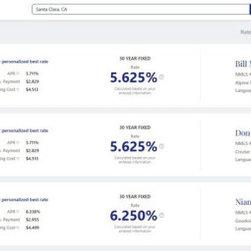
Not all mortgage providers are the same. The interest rates and fees can vary quite a bit. We made the mistake of almost going with the first lender our bank recommended. Thankfully, we got quotes from two other lenders—a local credit union and an online lender. You may also reach out to LOs nearby on Bluerate to get more info.
The credit union offered a rate that was a quarter of a percent lower with fewer fees. That small difference adds up to significant savings over 30 years. Get quotes from at least three different sources. Compare the interest rates, annual percentage rates (APR), and all the associated costs. It's a few hours of work that can save you a fortune.
8. Don't Skip the Home Inspection
This is not the place to cut corners. We paid for a thorough, independent home inspection, and it was worth every penny. The inspector found minor issues we could see, but he also discovered an aging water heater that was on the verge of failing and some faulty wiring in the attic.
Armed with this report, we were able to ask the seller to repair the major items before we finalized the purchase. Before the official inspection, we also did our own walk-through, checking for water stains, testing faucets and outlets, and looking at the condition of the roof. Being diligent here can prevent costly surprises after you move in.
9. Think About Your Future Finances
Buying a home is a long-term commitment. We asked ourselves: Is this a house we can see ourselves in for 5-10 years? What if one of us changes jobs or we start a family? We factored in potential future costs like maintenance, repairs, and rising property taxes.
A home in a top-rated school district might cost more now, but could be a smarter long-term investment. We also considered the potential for our income to change. It's important to buy a home that fits your future life, not just your current paycheck, to avoid feeling "house poor" down the road.
10. Keep an Emergency Fund for Your Home
After you buy, your savings shouldn't be at zero. Homeownership comes with unexpected repairs. A month after we moved in, our refrigerator died. Because we had kept a separate emergency fund, it was an inconvenience, not a crisis.
A good rule of thumb is to have three to six months' worth of living expenses set aside, specifically for the house. This fund is your financial cushion for things like a leaking roof, a broken furnace, or a sudden job loss. It provides peace of mind, knowing you can handle life's surprises without jeopardizing your new investment.
Final Thoughts
Navigating the path to your first home is a big journey, but you don't have to do it alone or unprepared. From educating yourself with Fannie Mae to inspecting every detail and protecting your future with an emergency fund, these steps are designed to build your confidence and knowledge. Also, Bluerate by Zeitro is a great AI mortgage marketplace that makes everything easier.
I used most of them myself, and they made all the difference between a stressful ordeal and an exciting adventure. Take your time, do your research, and trust the process. Your dream home is out there, and with careful planning, you'll be holding the keys before you know it.
That's exactly why I'm sharing these tips. My goal is to help you, as a first-time buyer, feel more confident and avoid the common pitfalls we encountered. Think of this as a friendly chat from someone who's been in your shoes, to help you make smart choices from the start.
1. Take a Free Class from Fannie Mae
Before we even looked at houses, a friend suggested we check out the free resources from Fannie Mae. I'm so glad we did. Their "HomeView" learning path was a game-changer for us. It's not a sales pitch; it's a true educational course that walks you through the entire journey. We learned the basics of budgeting for a home, how credit impacts your options, and the different types of mortgages available.
It even helped us understand the closing process, so there were fewer surprises later. Spending a few hours on this free platform gave us the foundational knowledge we needed to have intelligent conversations with real estate agents and lenders. It made us feel in control, not lost.
2. Look Into First-Time Buyer Programs
Many people don't realize there are special programs designed just for them. I almost skipped over them, assuming we wouldn't qualify. But we did some digging and were pleasantly surprised. These programs, often run by state or local governments, can offer incredible benefits. We found one that offered down payment assistance, which was a huge help.
Others might provide grants or allow for a lower down payment. The key is to research what's available in your area. A good real estate agent can point you in the right direction. These programs exist to make homeownership more accessible, so take advantage of them if you can.
3. Know Your True Budget and Stick to It
It's so easy to fall in love with a house that's just a little over your budget. We almost did. But our real estate agent sat us down and had us look beyond the monthly mortgage payment. She outlined all the other costs we'd be responsible for. There's homeowners' insurance, property taxes, and if your down payment is less than 20%, you'll likely have to pay for Private Mortgage Insurance (PMI).
Don't forget about potential HOA fees, either. We created a spreadsheet that included all these estimated costs. Seeing the real total monthly outlay helped us set a firm, realistic maximum price and saved us from future financial stress.
4. Check and Boost Your Credit Score
Your credit health is a major factor in securing a good mortgage rate. When we started, my score was decent, but my husband's needed a little work. We got free copies of our credit reports from AnnualCreditReport and checked them for errors. We then focused on paying down our credit card balances and made sure every bill was paid on time.
It took about four months, but we saw a noticeable improvement in his score. This effort directly translated into a better interest rate for us, which will save us thousands of dollars over the life of our mortgage. It's a step that requires patience but pays off significantly.
5. Plan for Your Down Payment and Closing
Saving for the down payment is the big, obvious goal. But many first-timers get a shock when they learn about closing costs. I know we did. These are the fees you pay to finalize the home purchase, and they can add up to 2% to 5% of the home's price. This includes things like appraisal fees, title insurance, and origination charges.
We had budgeted for a 5% down payment but had to scramble to cover the additional closing costs. My advice? Start saving early and aim to have enough cash for both your target down payment and an extra 3-4% for these unavoidable closing expenses.
6. Work with a Real Estate Agent You Trust
A good real estate agent is your advocate and guide. We interviewed three different agents before choosing one. We asked about their experience with first-time buyers in our target neighborhoods. The right agent will listen to your needs, explain things clearly, and won't pressure you. Ours was invaluable.
She pointed out potential issues in homes we toured that we would have never noticed, and her negotiation skills saved us money on the final offer. Don't just pick the first agent you find. This partnership is crucial for a smooth home-buying experience.
7. Shop Around for Your Mortgage
Not all mortgage providers are the same. The interest rates and fees can vary quite a bit. We made the mistake of almost going with the first lender our bank recommended. Thankfully, we got quotes from two other lenders—a local credit union and an online lender. You may also reach out to LOs nearby on Bluerate to get more info.
The credit union offered a rate that was a quarter of a percent lower with fewer fees. That small difference adds up to significant savings over 30 years. Get quotes from at least three different sources. Compare the interest rates, annual percentage rates (APR), and all the associated costs. It's a few hours of work that can save you a fortune.
8. Don't Skip the Home Inspection
This is not the place to cut corners. We paid for a thorough, independent home inspection, and it was worth every penny. The inspector found minor issues we could see, but he also discovered an aging water heater that was on the verge of failing and some faulty wiring in the attic.
Armed with this report, we were able to ask the seller to repair the major items before we finalized the purchase. Before the official inspection, we also did our own walk-through, checking for water stains, testing faucets and outlets, and looking at the condition of the roof. Being diligent here can prevent costly surprises after you move in.
9. Think About Your Future Finances
Buying a home is a long-term commitment. We asked ourselves: Is this a house we can see ourselves in for 5-10 years? What if one of us changes jobs or we start a family? We factored in potential future costs like maintenance, repairs, and rising property taxes.
A home in a top-rated school district might cost more now, but could be a smarter long-term investment. We also considered the potential for our income to change. It's important to buy a home that fits your future life, not just your current paycheck, to avoid feeling "house poor" down the road.
10. Keep an Emergency Fund for Your Home
After you buy, your savings shouldn't be at zero. Homeownership comes with unexpected repairs. A month after we moved in, our refrigerator died. Because we had kept a separate emergency fund, it was an inconvenience, not a crisis.
A good rule of thumb is to have three to six months' worth of living expenses set aside, specifically for the house. This fund is your financial cushion for things like a leaking roof, a broken furnace, or a sudden job loss. It provides peace of mind, knowing you can handle life's surprises without jeopardizing your new investment.
Final Thoughts
Navigating the path to your first home is a big journey, but you don't have to do it alone or unprepared. From educating yourself with Fannie Mae to inspecting every detail and protecting your future with an emergency fund, these steps are designed to build your confidence and knowledge. Also, Bluerate by Zeitro is a great AI mortgage marketplace that makes everything easier.
I used most of them myself, and they made all the difference between a stressful ordeal and an exciting adventure. Take your time, do your research, and trust the process. Your dream home is out there, and with careful planning, you'll be holding the keys before you know it.