

How to Optimize Your Warehouse for Maximum Efficiency
A data overload can burn even the smartest and most advanced computer.
Similarly, warehouse overload with products that can’t be found, fast and easy, and can’t be sent to the customer demanding them within a short-term period; it’s just like not having the product at all!
These optimizations can be small tweaks or major projects, depending on the type of system and processes involved in the optimization, as well as the size of your warehouse. But if you don’t know anything about the concept, Modula Australia might be a good place to start once you read through this article.
In this article, you’ll discover why you should optimize your warehouse and give you a few handy tips on how to do it!
Warehouse Optimization: Why It Matters
Sure, you may have an excellent marketing team, a successful sales funnel, and a strong brand, but without a well-optimized warehouse, which is the heart of every product-based business, the future isn’t looking as successful and promising.
Investing in warehouse optimization isn’t just about organizing shelves, but about building the future and slashing costs while making the life of your employees and customers easier.
But warehouses weren’t always the sophisticated hubs they are today. And it all started somewhere.
Now, the game has changed. Warehouses that fail to optimize are bleeding money and time, while those that invest in smart systems are outpacing the competition.
10 Practical Warehouse Optimization Strategies
1. Stop Wasting Space – Think in 3D
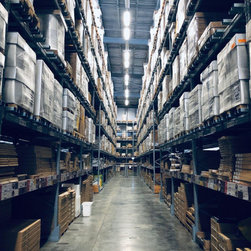
Too many warehouses expand outward when they should be building upward. Every square foot you don’t need to rent or heat saves money. Use taller racks, mezzanine floors, and vertical carousels instead of spreading inventory across unnecessary square footage.
For example, if warehouse rent costs $10 per square foot per year, and you optimize 30% of your wasted floor space by stacking vertically, that’s a five-figure cost reduction annually!
Additionally, slot your inventory intelligently—fast-moving products should be easily accessible at waist level, while slow-moving stock should be higher or lower.
2. Every Second Counts
Pickers walking excessive distances between shelves is one of the biggest inefficiencies in warehouse operations. Time spent walking is time not spent picking orders. If each picker wastes one hour per shift just walking, and you have 20 employees, that’s 20 lost hours per day.
The fix? Store the fastest-moving items closest to the packing station. Implement a logical picking route, avoiding unnecessary backtracking. A U-shaped or grid-based warehouse layout can reduce travel distances by up to 50%, significantly speeding up fulfillment times.
3. Implement Barcode or RFID Scanning – Manual Entry is Costly
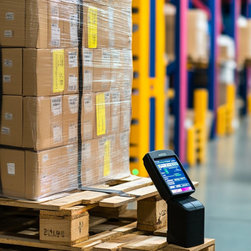
Relying on manual inventory tracking leads to errors, miscounts, and wasted time. A simple barcode system can increase inventory accuracy to over 99%.
For warehouses processing high volumes, RFID tags are worth considering. Unlike barcodes, they don’t require line-of-sight scanning—RFID readers automatically track inventory movement in real time. This drastically reduces labor costs and eliminates costly stock discrepancies.
4. Cross-Docking – Move Goods, Don’t Store Them
Every extra day a product sits in storage costs you money. If you can, skip the storage phase entirely with cross-docking. Instead of unloading products into racks, ship them directly to outbound trucks.
This works best for fast-moving goods and perishable items. It reduces storage costs, handling time, and labor expenses. If your warehouse is spending $5 per pallet per week on storage fees, cutting down storage time from 7 days to 1 day could reduce storage costs by 85%.
5. Standardize Picking Methods
Not all picking strategies work for every business, but choosing the right one can shave minutes off each order.
Using the wrong method could cost you hours in lost productivity daily. Test and choose the most efficient picking strategy for your operation.
6. Automate What’s Repetitive
Not every warehouse needs robots, but some level of automation pays for itself quickly.
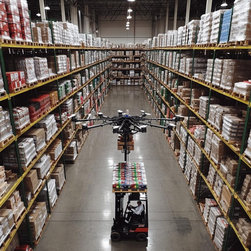
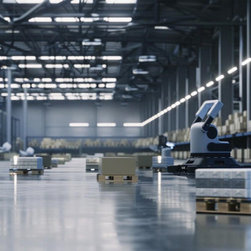
For high-volume warehouses, Automated Storage and Retrieval Systems (AS/RS) can dramatically reduce picking errors and labor costs. Even lower-cost automation, like conveyor belts and automated sorting, cuts down handling time by up to 50%.
If you’re processing 1,000 orders per day, and automation can save just 30 seconds per order, that’s 8+ hours of labor saved daily—a full work shift eliminated.
7. Keep Inventory Lean – Overstocking is Wasted Money
Holding excess stock ties up cash flow and clutters valuable warehouse space. Instead, track demand trends and use Just-in-Time (JIT) inventory to keep stock at optimal levels.
Use this formula to find your reorder point:
Reorder Point = (Average Daily Demand X Lead Time) + Safety Stock
Example: If you sell 200 units daily, lead time is 10 days, and the safety stock is 500 units, you should reorder at 2,500 units. Keeping more than that only wastes space and cash.
8. Track Warehouse KPIs and Fix Bottlenecks
If you’re not measuring performance, you’re flying blind. Regularly monitor:
If picking errors are above 2%, or order fulfillment time is increasing, it’s time to reevaluate your processes and address bottlenecks.
9. Energy Efficiency – Cut Utility Costs Where It Matters
Warehouses waste a shocking amount of energy. Simple changes can cut energy expenses by up to 30%.
If your warehouse spends $50,000 a year on electricity, these small changes could save you $15,000+ annually.
10. Train and Upskill Your Staff – A Better Workforce is an Efficient Workforce
Even with the best technology, your warehouse is only as efficient as your team.
A warehouse with highly trained employees can process up to 20% more orders per shift compared to one with untrained or demotivated staff.
The Benefits: Why Should You Optimize Your Warehouse?
You might be thinking: "My warehouse works fine. Why fix what isn’t broken?" Well, here’s why you need to optimize, not just operate:
Bottom Line? You Can’t Afford NOT to Optimize
Still thinking warehouse optimization is just a "nice-to-have"? Think again. It’s the difference between stagnation and scalability, inefficiency and industry leadership. And the best part? Optimization doesn’t mean replacing humans with robots or burning your current system to the ground—it means tweaking, refining, and upgrading strategically.
Similarly, warehouse overload with products that can’t be found, fast and easy, and can’t be sent to the customer demanding them within a short-term period; it’s just like not having the product at all!
These optimizations can be small tweaks or major projects, depending on the type of system and processes involved in the optimization, as well as the size of your warehouse. But if you don’t know anything about the concept, Modula Australia might be a good place to start once you read through this article.
In this article, you’ll discover why you should optimize your warehouse and give you a few handy tips on how to do it!
Warehouse Optimization: Why It Matters
Sure, you may have an excellent marketing team, a successful sales funnel, and a strong brand, but without a well-optimized warehouse, which is the heart of every product-based business, the future isn’t looking as successful and promising.
Investing in warehouse optimization isn’t just about organizing shelves, but about building the future and slashing costs while making the life of your employees and customers easier.
But warehouses weren’t always the sophisticated hubs they are today. And it all started somewhere.
- The Warehouse Industrial Revolution – Everything was manual. Workers manually stacked and retrieved goods, often leading to inefficiencies and bottlenecks.
The 20th Century Shift – The introduction of standardized pallets and conveyor belts helped speed up operations. Warehouses got smarter, but still relied heavily on human labor.- The Digital Awakening – By the late 20th century, businesses adopted Warehouse Management Systems (WMS) to track stock and improve workflows.
- The Age of Automation & AI – Fast forward to today, where robotics, AI-driven picking systems, and IoT-powered tracking have revolutionized warehousing, making operations faster and smarter.
Now, the game has changed. Warehouses that fail to optimize are bleeding money and time, while those that invest in smart systems are outpacing the competition.
10 Practical Warehouse Optimization Strategies
1. Stop Wasting Space – Think in 3D
Too many warehouses expand outward when they should be building upward. Every square foot you don’t need to rent or heat saves money. Use taller racks, mezzanine floors, and vertical carousels instead of spreading inventory across unnecessary square footage.
For example, if warehouse rent costs $10 per square foot per year, and you optimize 30% of your wasted floor space by stacking vertically, that’s a five-figure cost reduction annually!
Additionally, slot your inventory intelligently—fast-moving products should be easily accessible at waist level, while slow-moving stock should be higher or lower.
2. Every Second Counts
Pickers walking excessive distances between shelves is one of the biggest inefficiencies in warehouse operations. Time spent walking is time not spent picking orders. If each picker wastes one hour per shift just walking, and you have 20 employees, that’s 20 lost hours per day.
The fix? Store the fastest-moving items closest to the packing station. Implement a logical picking route, avoiding unnecessary backtracking. A U-shaped or grid-based warehouse layout can reduce travel distances by up to 50%, significantly speeding up fulfillment times.
3. Implement Barcode or RFID Scanning – Manual Entry is Costly
Relying on manual inventory tracking leads to errors, miscounts, and wasted time. A simple barcode system can increase inventory accuracy to over 99%.
For warehouses processing high volumes, RFID tags are worth considering. Unlike barcodes, they don’t require line-of-sight scanning—RFID readers automatically track inventory movement in real time. This drastically reduces labor costs and eliminates costly stock discrepancies.
4. Cross-Docking – Move Goods, Don’t Store Them
Every extra day a product sits in storage costs you money. If you can, skip the storage phase entirely with cross-docking. Instead of unloading products into racks, ship them directly to outbound trucks.
This works best for fast-moving goods and perishable items. It reduces storage costs, handling time, and labor expenses. If your warehouse is spending $5 per pallet per week on storage fees, cutting down storage time from 7 days to 1 day could reduce storage costs by 85%.
5. Standardize Picking Methods
Not all picking strategies work for every business, but choosing the right one can shave minutes off each order.
- Single order picking: Good for small warehouses but too slow for high-volume operations.
- Batch picking: Best for fulfilling multiple orders with the same items at once.
- Zone picking: Assigns pickers to specific areas, reducing unnecessary movement.
- Wave picking: Uses software to group orders efficiently based on shipping deadlines.
Using the wrong method could cost you hours in lost productivity daily. Test and choose the most efficient picking strategy for your operation.
6. Automate What’s Repetitive
Not every warehouse needs robots, but some level of automation pays for itself quickly.
For high-volume warehouses, Automated Storage and Retrieval Systems (AS/RS) can dramatically reduce picking errors and labor costs. Even lower-cost automation, like conveyor belts and automated sorting, cuts down handling time by up to 50%.
If you’re processing 1,000 orders per day, and automation can save just 30 seconds per order, that’s 8+ hours of labor saved daily—a full work shift eliminated.
7. Keep Inventory Lean – Overstocking is Wasted Money
Holding excess stock ties up cash flow and clutters valuable warehouse space. Instead, track demand trends and use Just-in-Time (JIT) inventory to keep stock at optimal levels.
Use this formula to find your reorder point:
Reorder Point = (Average Daily Demand X Lead Time) + Safety Stock
Example: If you sell 200 units daily, lead time is 10 days, and the safety stock is 500 units, you should reorder at 2,500 units. Keeping more than that only wastes space and cash.
8. Track Warehouse KPIs and Fix Bottlenecks
If you’re not measuring performance, you’re flying blind. Regularly monitor:
- Order accuracy rate (target 99% or higher)
- Pick rate per hour (benchmark varies by industry, but anything below 50 picks per hour in an e-commerce setting needs improvement)
- Inventory turnover rate (high turnover = better cash flow)
If picking errors are above 2%, or order fulfillment time is increasing, it’s time to reevaluate your processes and address bottlenecks.
9. Energy Efficiency – Cut Utility Costs Where It Matters
Warehouses waste a shocking amount of energy. Simple changes can cut energy expenses by up to 30%.
- Switch to LED lighting, which lasts 25 times longer and consumes 75% less energy than traditional bulbs.
- Install motion sensors in low-traffic areas to avoid lighting empty spaces.
- Optimize heating and cooling by sealing dock doors properly and using high-speed roll-up doors.
If your warehouse spends $50,000 a year on electricity, these small changes could save you $15,000+ annually.
10. Train and Upskill Your Staff – A Better Workforce is an Efficient Workforce
Even with the best technology, your warehouse is only as efficient as your team.
- Regular speed and accuracy training helps workers perform tasks faster and with fewer mistakes.
- Cross-training employees ensures flexibility during peak seasons.
- Incentivize efficiency—bonuses for high pick rates and accuracy keep staff motivated.
A warehouse with highly trained employees can process up to 20% more orders per shift compared to one with untrained or demotivated staff.
The Benefits: Why Should You Optimize Your Warehouse?
You might be thinking: "My warehouse works fine. Why fix what isn’t broken?" Well, here’s why you need to optimize, not just operate:
- Skyrocketing Productivity: Imagine cutting wasted movement by 30% just by redesigning your warehouse layout. That’s hours saved per day, thousands per year.
- Major Cost Reductions: Every misplaced item, every inefficient step, and every delayed shipment eats into your profits. Studies show that optimized warehouses reduce operational costs by 25% or more.
- Pinpoint Inventory Accuracy: Manual counts and spreadsheets? Say goodbye. RFID tracking, barcodes, and AI boost inventory accuracy to 99.9%, eliminating costly stock errors.
- Faster Order Fulfilment: Customers today expect Amazon-level speed. A streamlined warehouse slashes picking and packing time by 50%, ensuring faster deliveries and happier customers.
- Space Utilization That Works for You: Stacking things "where they fit" is a rookie mistake. Using vertical racking, optimized slotting, and automated storage systems increases warehouse capacity by 40% without adding more square footage.
- Safer, Happier Workers: A cluttered, chaotic warehouse is a lawsuit waiting to happen. Proper layout and automation reduce workplace accidents by 20%, keeping employees productive and injury-free.
- More Satisfied Customers: Faster shipping. Fewer errors. Better tracking. It’s simple: happy warehouse = happy customers. They get their orders on time, intact, and exactly as expected, leading to repeat business and glowing reviews.
Bottom Line? You Can’t Afford NOT to Optimize
Still thinking warehouse optimization is just a "nice-to-have"? Think again. It’s the difference between stagnation and scalability, inefficiency and industry leadership. And the best part? Optimization doesn’t mean replacing humans with robots or burning your current system to the ground—it means tweaking, refining, and upgrading strategically.