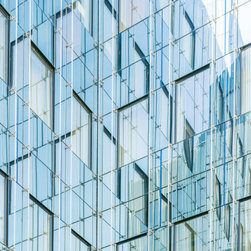


The Art of Using Architectural Glass and Custom Tempered Glass
Introduction to Architectural Glass and Custom Tempered Glass
Glass is no longer just a fragile, transparent material used for windows. Today, it’s an architectural masterpiece, a design statement, and a functional element in modern construction. Whether it’s the sleek façade of a skyscraper or a minimalist shower enclosure in your home, glass has redefined how spaces look and feel. Among its various types, architectural glass and custom tempered glass stand out as both artistic and practical solutions.
Understanding Architectural Glass
What is Architectural Glass?
Architectural glass refers to specially designed glass products used in building and construction. Unlike ordinary glass, it is engineered for strength, safety, energy efficiency, and aesthetic appeal.
Different Types of Architectural Glass
Clear Glass
The simplest form, offering transparency and allowing maximum light into interiors.
Tinted Glass
Designed to reduce glare and control heat, tinted glass is both functional and stylish.
Frosted Glass
Perfect for privacy without blocking light—commonly used in bathrooms and office partitions.
Low-E Glass
Coated with a thin metallic layer, Low-E glass improves insulation by reflecting heat.
Laminated Glass
Two or more layers of glass bonded with an interlayer, offering safety and soundproofing.
Introduction to Custom Tempered Glass
What is Tempered Glass?
Tempered glass is heat-treated to be several times stronger than regular glass. When broken, it shatters into small blunt pieces rather than sharp shards, reducing injury risks.
The Science Behind Tempering
During tempering, glass is heated to around 620°C and then rapidly cooled. This process creates internal stress, giving it high strength and durability.
Benefits of Custom Tempered Glass
Functional and Aesthetic Uses
Architectural Glass in Modern Buildings
Facades and Skylights
Glass facades add elegance, while skylights bring natural light deep into interiors.
Glass Walls and Partitions
They create open, collaborative spaces in offices without compromising on privacy.
Staircases and Balustrades
Architectural glass balustrades enhance safety while maintaining modern elegance.
Custom Tempered Glass in Everyday Spaces
Showers and Bathrooms
Tempered glass shower enclosures are stylish, durable, and safe.
Kitchen Applications
Used in countertops, shelves, and backsplashes for both style and heat resistance.
Commercial Interiors
Shops and restaurants often use tempered glass for display cases and partitions.
Advantages of Using Architectural Glass
Energy Efficiency
Modern glass reduces heat transfer, lowering air conditioning costs.
Natural Lighting and Aesthetic Appeal
Glass maximizes daylight, making spaces feel larger and more welcoming.
Durability and Strength
Specialized glass types withstand weather conditions and impacts.
The Sustainability Factor
Eco-Friendly Glass Options
Manufacturers now offer glass made with reduced carbon footprints.
Recyclability of Glass
Glass can be endlessly recycled without losing quality.
Role in Green Buildings
Glass plays a major role in LEED-certified and energy-efficient structures.
Customization and Creativity
Design Possibilities with Glass
From etched patterns to colored laminations, the design options are endless.
Combining Functionality with Style
Decorative glass has become a popular choice in modern interior and exterior design, offering both functionality and artistic appeal. Unlike plain glass, it can be customized with patterns, textures, or colors, making it perfect for creating unique partitions, doors, windows, and even furniture accents. From etched and frosted designs to stained or colored variations, decorative glass adds character to any space while maintaining the benefits of natural light and openness. Its versatility allows homeowners and architects to blend style with practicality, transforming ordinary surfaces into stunning focal points.
Glass balances strength with beauty, making it a preferred material for luxury designs.
Future Trends in Glass Customization
Smart glass, switchable glass, and interactive displays are shaping the future.
Safety Considerations
Tempered Glass Safety Features
Tempered glass shatters into dull pieces, minimizing injuries.
Building Code Compliance
It meets international safety standards, especially for high-rise buildings.
Fire Resistance and Impact Strength
Certain types can withstand fire and high-impact collisions.
Challenges in Using Glass
Cost Considerations
High-quality architectural and tempered glass can be expensive.
Installation Complexities
Professional expertise is required for handling and installing glass safely.
Maintenance Issues
Fingerprints, scratches, and cleaning challenges are common concerns.
The Future of Glass in Architecture
Smart Glass and Technology Integration
Switchable glass that changes transparency with a button is already in use.
Insulated glass, often referred to as double glazing, is a high-performance glass solution designed to improve energy efficiency and comfort in buildings. It consists of two or more glass panes separated by a sealed air or gas-filled space, which acts as a thermal barrier. This design helps reduce heat transfer, keeping interiors warmer in winter and cooler in summer. Insulated glass also minimizes condensation, enhances soundproofing, and lowers energy bills, making it a smart choice for both residential and commercial spaces. Its durability and ability to regulate indoor climates have made it a staple in modern, eco-friendly architecture.
Energy-Saving Innovations
Future glass will integrate solar panels and thermal regulation systems.
Glass as a Structural Element
Engineers are exploring ways to use glass as load-bearing material.
Conclusion
Architectural glass and custom tempered glass are more than just construction elements—they’re the future of design. They offer strength, beauty, sustainability, and endless creative opportunities. From skyscrapers to homes, their role continues to expand, shaping the modern world with transparency and elegance.
FAQs
1. What makes tempered glass stronger than regular glass?
Tempered glass is heat-treated to increase its strength, making it four to five times stronger than standard glass.
2. Can architectural glass reduce energy bills?
Yes, energy-efficient glass like Low-E glass helps maintain indoor temperature, reducing electricity costs.
3. Is custom tempered glass suitable for outdoor use?
Absolutely. It withstands harsh weather and thermal stress, making it perfect for outdoor applications.
4. How is frosted glass different from tinted glass?
Frosted glass diffuses light for privacy, while tinted glass reduces glare and heat absorption.
5. What is the lifespan of architectural glass installations?
With proper maintenance, architectural glass can last for decades without losing performance or beauty.
Glass is no longer just a fragile, transparent material used for windows. Today, it’s an architectural masterpiece, a design statement, and a functional element in modern construction. Whether it’s the sleek façade of a skyscraper or a minimalist shower enclosure in your home, glass has redefined how spaces look and feel. Among its various types, architectural glass and custom tempered glass stand out as both artistic and practical solutions.
Understanding Architectural Glass
What is Architectural Glass?
Architectural glass refers to specially designed glass products used in building and construction. Unlike ordinary glass, it is engineered for strength, safety, energy efficiency, and aesthetic appeal.
Different Types of Architectural Glass
Clear Glass
The simplest form, offering transparency and allowing maximum light into interiors.
Tinted Glass
Designed to reduce glare and control heat, tinted glass is both functional and stylish.
Frosted Glass
Perfect for privacy without blocking light—commonly used in bathrooms and office partitions.
Low-E Glass
Coated with a thin metallic layer, Low-E glass improves insulation by reflecting heat.
Laminated Glass
Two or more layers of glass bonded with an interlayer, offering safety and soundproofing.
Introduction to Custom Tempered Glass
What is Tempered Glass?
Tempered glass is heat-treated to be several times stronger than regular glass. When broken, it shatters into small blunt pieces rather than sharp shards, reducing injury risks.
The Science Behind Tempering
During tempering, glass is heated to around 620°C and then rapidly cooled. This process creates internal stress, giving it high strength and durability.
Benefits of Custom Tempered Glass
- Safer than regular glass
- Resistant to thermal stress
- Customizable in shape, size, and thickness
- Used in high-impact and high-traffic areas
Functional and Aesthetic Uses
Architectural Glass in Modern Buildings
Facades and Skylights
Glass facades add elegance, while skylights bring natural light deep into interiors.
Glass Walls and Partitions
They create open, collaborative spaces in offices without compromising on privacy.
Staircases and Balustrades
Architectural glass balustrades enhance safety while maintaining modern elegance.
Custom Tempered Glass in Everyday Spaces
Showers and Bathrooms
Tempered glass shower enclosures are stylish, durable, and safe.
Kitchen Applications
Used in countertops, shelves, and backsplashes for both style and heat resistance.
Commercial Interiors
Shops and restaurants often use tempered glass for display cases and partitions.
Advantages of Using Architectural Glass
Energy Efficiency
Modern glass reduces heat transfer, lowering air conditioning costs.
Natural Lighting and Aesthetic Appeal
Glass maximizes daylight, making spaces feel larger and more welcoming.
Durability and Strength
Specialized glass types withstand weather conditions and impacts.
The Sustainability Factor
Eco-Friendly Glass Options
Manufacturers now offer glass made with reduced carbon footprints.
Recyclability of Glass
Glass can be endlessly recycled without losing quality.
Role in Green Buildings
Glass plays a major role in LEED-certified and energy-efficient structures.
Customization and Creativity
Design Possibilities with Glass
From etched patterns to colored laminations, the design options are endless.
Combining Functionality with Style
Decorative glass has become a popular choice in modern interior and exterior design, offering both functionality and artistic appeal. Unlike plain glass, it can be customized with patterns, textures, or colors, making it perfect for creating unique partitions, doors, windows, and even furniture accents. From etched and frosted designs to stained or colored variations, decorative glass adds character to any space while maintaining the benefits of natural light and openness. Its versatility allows homeowners and architects to blend style with practicality, transforming ordinary surfaces into stunning focal points.
Glass balances strength with beauty, making it a preferred material for luxury designs.
Future Trends in Glass Customization
Smart glass, switchable glass, and interactive displays are shaping the future.
Safety Considerations
Tempered Glass Safety Features
Tempered glass shatters into dull pieces, minimizing injuries.
Building Code Compliance
It meets international safety standards, especially for high-rise buildings.
Fire Resistance and Impact Strength
Certain types can withstand fire and high-impact collisions.
Challenges in Using Glass
Cost Considerations
High-quality architectural and tempered glass can be expensive.
Installation Complexities
Professional expertise is required for handling and installing glass safely.
Maintenance Issues
Fingerprints, scratches, and cleaning challenges are common concerns.
The Future of Glass in Architecture
Smart Glass and Technology Integration
Switchable glass that changes transparency with a button is already in use.
Insulated glass, often referred to as double glazing, is a high-performance glass solution designed to improve energy efficiency and comfort in buildings. It consists of two or more glass panes separated by a sealed air or gas-filled space, which acts as a thermal barrier. This design helps reduce heat transfer, keeping interiors warmer in winter and cooler in summer. Insulated glass also minimizes condensation, enhances soundproofing, and lowers energy bills, making it a smart choice for both residential and commercial spaces. Its durability and ability to regulate indoor climates have made it a staple in modern, eco-friendly architecture.
Energy-Saving Innovations
Future glass will integrate solar panels and thermal regulation systems.
Glass as a Structural Element
Engineers are exploring ways to use glass as load-bearing material.
Conclusion
Architectural glass and custom tempered glass are more than just construction elements—they’re the future of design. They offer strength, beauty, sustainability, and endless creative opportunities. From skyscrapers to homes, their role continues to expand, shaping the modern world with transparency and elegance.
FAQs
1. What makes tempered glass stronger than regular glass?
Tempered glass is heat-treated to increase its strength, making it four to five times stronger than standard glass.
2. Can architectural glass reduce energy bills?
Yes, energy-efficient glass like Low-E glass helps maintain indoor temperature, reducing electricity costs.
3. Is custom tempered glass suitable for outdoor use?
Absolutely. It withstands harsh weather and thermal stress, making it perfect for outdoor applications.
4. How is frosted glass different from tinted glass?
Frosted glass diffuses light for privacy, while tinted glass reduces glare and heat absorption.
5. What is the lifespan of architectural glass installations?
With proper maintenance, architectural glass can last for decades without losing performance or beauty.