

Insect Protection Without Ruining Your Beautiful Open Space Doors
Last weekend, my mate Jake called me over to check out his brand new bifold doors. Gorgeous timber frames, perfect alignment, and a view that would make you weep. Then he sheepishly pointed to the corner where he'd stacked three different types of fixed screens - none of which he could bring himself to install.
"I can't do it," he said. "They'll wreck the whole look."
Jake's dilemma is playing out in homes across Queensland right now. You invest serious money in doors that showcase your indoor-outdoor lifestyle, then face the horrible choice between bugs and beauty. Fixed screens solve the insect problem but destroy everything you love about those doors.
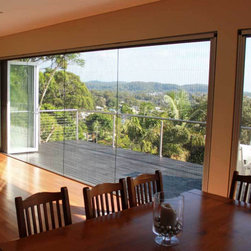
But here's what Jake didn't know - and what most homeowners don't realise - there's actually a third option. Retractable screen doors that disappear when you don't need them and appear instantly when you do. No permanent visual damage, no compromising your design, no choosing between comfort and aesthetics.
This guide walks you through everything I've learned in 15 years of helping Queensland homeowners solve this exact problem. You'll discover why some retractable systems fail spectacularly while others work flawlessly for decades, how to avoid the costly mistakes I see every week, and what actually matters when you're spending your hard-earned money on screens.
What You'll Learn Right Here
- Why most screen options destroy your door's visual appeal and what actually works instead
- The real difference between cheap imports and Australian-made systems (it's bigger than you think)
- Installation mistakes that void warranties and cost thousands to fix
- Simple maintenance that keeps screens working perfectly for 15+ years
- How to spot quality systems vs clever marketing
- What to budget for screens that actually enhance your home's value
The Problem With Every Screen Option You've Seen
Walk into any hardware store and you'll find the same disappointing options. Fixed screens that look like afterthoughts. Hinged doors that need clearance space you don't have. Sliding systems that break within months.
I've installed hundreds of these traditional systems over the years, and homeowners always end up frustrated. The screens work initially, but they change how your doors look and feel. Your beautiful French doors suddenly look cluttered. Your seamless bifolds get chopped up with posts and frames.
Sarah, an architect I work with regularly, puts it bluntly: "Homeowners spend $15,000 on premium doors for that indoor-outdoor connection, then slap on screens that cost more than the doors and make them look terrible. It breaks my heart every time."
The worst part? Large openings become impossible to screen properly. You need multiple panels, central supports, or chunky hardware that completely defeats the purpose of having clean, uninterrupted openings.
That's the reality most people accept because they don't know better options exist.
How Retractable Screen Doors Actually Work
Think about your roller blinds for a second. When you want privacy, you pull them down. When you want light, you roll them up and they disappear. Intelliscreens’ retractable screens work exactly the same way, except they move horizontally across your door opening.
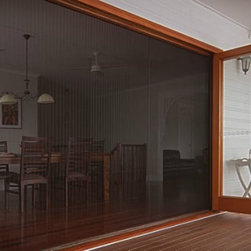
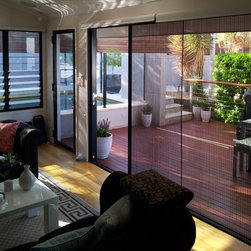
The mesh lives in a slim cassette when you're not using it. Need protection? Pull the handle and mesh glides across your opening. Want your view back? Push it back and it disappears into the cassette. The opening looks exactly like it did before you installed anything.
But here's where it gets clever. Quality systems use pleated mesh that compresses incredibly small when retracted. A 4-metre screen might compress into a cassette that's only 150mm wide. When extended, that same mesh covers your entire opening without any gaps or weak spots.
The difference between good and bad systems comes down to engineering. Cheap systems use basic springs that lose tension quickly. Quality systems use progressive spring mechanisms that maintain perfect tension for years. Cheap mesh tears or sags. Quality mesh maintains its shape through thousands of cycles.
I've seen 8-year-old Australian systems that still operate like they were installed yesterday, and 18-month-old imports that barely function.
Making Screens Look Intentional, Not Added-On
Here's something most installers won't tell you: colour matching matters more than anything else for visual integration. Get this wrong and your screen will always look like an afterthought.
I learned this lesson early in my career. Installed a white screen cassette on black door frames for a client who specifically requested white to "brighten things up." The result was awful - it looked like someone had stuck a white box on their beautiful doors.
Now I always match cassette colours to door frames, and suddenly screens look like they were part of the original design. Quality manufacturers offer 20+ powder coat colours, so matching isn't difficult if you plan ahead.
Installation method makes a huge difference too. Face-fit mounting sits on top of your frames - easier to install but more visible. Reveal-fit mounting hides the cassette inside the door opening. When done properly, reveal-fit looks amazing because the cassette virtually disappears.
Housing size needs to match your home's style. Ultra-modern homes need slim cassettes that don't compete with clean lines. Traditional homes can handle slightly larger profiles that complement existing proportions.
The goal is making people wonder how you achieved such a clean look, not having them immediately notice the screen hardware.
Choosing Systems That Handle Queensland Weather
After 15 years of warranty calls, I can tell you exactly what fails in Queensland conditions. Cheap aluminium corrodes within two years near the coast. Basic mesh becomes brittle and cracks after one summer of UV exposure. Springs lose tension in humidity and never recover.
Australian manufacturers engineer for our specific conditions because they have to deal with warranty claims when things go wrong. They use marine-grade aluminium that won't corrode, UV-tested mesh that maintains flexibility, and spring systems designed for our humidity levels.
I've replaced more imported systems destroyed by Queensland weather than I care to count. The savings never justify the replacement costs and hassle.
Your door type influences which systems work best. Bifolds look fantastic with single-span systems that maintain their seamless appearance. French doors work well with systems that complement their traditional proportions. Sliding doors are flexible - most quality options work fine.
Opening width determines complexity. Under 3 metres, any good system works beautifully. 3-5 metres requires more sophisticated engineering but definitely achievable. Over 5 metres usually means dual systems or very specialised solutions.
Wind exposure can't be ignored. I've seen screens destroyed by storms that weren't even severe, simply because the system wasn't designed for the site exposure. Protected areas use standard mounting. Exposed sites need reinforced attachment and possibly wind-rated systems.
Why Professional Installation Isn't Optional
I get calls every month from homeowners who attempted DIY installation and created expensive problems. These aren't simple fixed screens - the precision required is much higher than people expect.
Measurement errors are the biggest issue. Being 5mm off can prevent proper operation or create gaps where insects enter. I use laser measuring and account for frame variations that DIY installers miss. One job had a 12mm difference between top and bottom measurements - would have made DIY installation impossible.
Mounting system integrity matters more than people realise. These screens experience constant tension plus wind loads during storms. Wrong fasteners or poor placement means screens pulling away from walls or operating poorly from day one.
System adjustment separates professionals from amateurs. Spring tensions, track alignment, mesh positioning - everything needs fine-tuning for smooth operation. Takes years to develop the feel for getting everything dialed in perfectly.
Michelle from the Gold Coast learned this the hard way: "We considered DIY to save money. After watching the professional installer work, I realised we would have made several expensive mistakes. The precision required was much higher than expected."
Warranty coverage often requires professional installation. Manufacturers aren't being difficult - improper installation causes most problems that look like product defects.
Maintenance That Actually Works
Quality retractable screens need surprisingly little maintenance when properly installed. I'm talking about simple tasks that take minutes, not hours of work.
Track cleaning is your main regular job. Dirt and debris jam the bottom guides, so vacuum and wipe down every few months. Takes five minutes and prevents most operational issues.
Clean mesh gently with soft brushes or vacuum attachments. Move horizontally across the mesh - vertical motions can damage support cords. On sunny days, hose from inside to push dust off the outside surface.
Annual lubrication keeps everything moving smoothly. Food-grade silicone spray on guides and cords works perfectly. Never use petroleum products that damage seals or attract dirt.
Component replacement varies dramatically between quality and cheap systems. Australian manufacturers offer 5-year hardware warranties with 1-2 year mesh warranties. Replacement parts stay available throughout warranty periods and beyond.
David from Brisbane shares his experience: "Four years of daily use and our screens still operate like new. Only maintenance has been track cleaning and one mesh replacement after that massive storm in December 2022 that knocked out power for days. Best investment we've made."
What Quality Systems Actually Cost
Retractable screen pricing depends on quality, size, and installation complexity. Cheap imports seem attractive initially but often need replacement within years and offer minimal warranty protection.
Australian systems cost more upfront but deliver better value through superior durability and comprehensive warranties. When you factor in replacement costs, local options often cost less over 10 years.
Size directly affects pricing. Larger spans need more sophisticated engineering and materials. Single-span systems for openings over 4 metres cost more but eliminate visual compromises of multi-panel alternatives.
Installation costs vary by situation. Standard jobs take a few hours. Complex configurations or difficult access require additional time and labour.
Think total ownership costs, not just initial price. Consider expected lifespan, maintenance needs, part availability, and warranty coverage. Quality systems often cost less per year despite higher upfront investment.
Energy efficiency provides unexpected benefits. Retractable screens enable natural ventilation during mild weather, reducing cooling costs. In Queensland's climate, this adds up significantly over time.
Mistakes That Cost Thousands
Learn from expensive lessons I've witnessed over the years.
Choosing price over quality leads to disappointment every time. Cheap imports use inferior materials that fail quickly or operate poorly from installation. Invest in established manufacturers with proven track records.
Ignoring wind exposure causes problems during weather events. Be honest about site conditions and choose appropriately rated systems. Much cheaper to spec correctly initially than replace damaged systems later.
Skipping maintenance turns minor issues into major problems. Follow manufacturer schedules and address changes promptly. Proper care dramatically extends system life.
DIY installation often creates expensive problems requiring professional correction. The savings aren't worth the risk with sophisticated, expensive systems.
Not understanding warranty terms may void protection for legitimate defects. Read requirements carefully and maintain documentation for any service work.
Finding Installers Who Know What They're Doing
Selecting retractable screens involves balancing door type, opening size, wind exposure, style, and budget. Professional consultation helps navigate decisions and avoid expensive mistakes.
Good manufacturers offer site assessments identifying challenges and recommending appropriate systems. This includes measurement verification, installation method recommendations, and colour matching guidance.
Quality installers provide detailed quotes covering components, labour, and warranty information. Compare proposals carefully and ask questions about unclear items. Understand what's included and potential additional charges.
Local building requirements may affect installation approaches or require permits for structural attachments. Professional installers understand these requirements and handle necessary approvals.
Getting Your Indoor-Outdoor Living Back
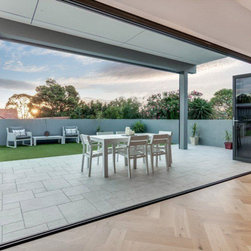
Retractable screen doors solve the age-old bugs-versus-beauty dilemma for Queensland homeowners. Quality systems preserve your doors' visual impact while providing protection when needed.
The secret is treating screen selection as part of your door system, not an afterthought. Plan retractable options during door selection, invest in quality Australian systems, and work with experienced professionals for installation and support.
Your entertaining spaces can serve their real purpose - bringing people together comfortably, regardless of what's flying around outside. Quality retractable screens pay for themselves every time you enjoy fresh air without insects, maintain your home's appeal, and use your spaces as intended.
Ready to reclaim your doors from the bugs? Start by consulting retractable screen specialists who understand Queensland conditions and can recommend systems matching your specific doors and lifestyle. Your family's comfort and your home's design deserve solutions that work as beautifully as they look.
Jake, by the way, ended up with a beautiful single-span retractable system that covers his entire 4.5-metre bifold opening. Six months later, he still grins every time he demonstrates how it works. "Best money I've spent on the house," he says. "Finally feels like the doors are actually usable."