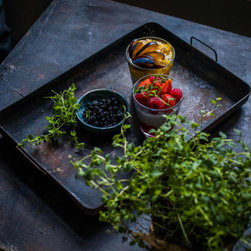


Edible Indoor Gardens: Grow Your Own Kitchen Herbs and Vegetables
In the quest for fresher, sustainable, and more personal food sources, the trend of growing edible plants indoors has flourished. An indoor kitchen garden is not just a step towards self-sufficiency; it's a beautiful, living addition to your home. Whether you're a seasoned gardener looking to bring your passion indoors or a beginner seeking a healthier lifestyle, this guide will walk you through everything you need to know about creating your own edible indoor garden.
Getting Started with Your Indoor Garden
Choose the Right Plants
The first step to starting your indoor garden is selecting the right plants. Not all herbs and vegetables thrive indoors, but many do remarkably well. Herbs like basil, mint, parsley, and chives are great starters due to their ease of growth and versatility in cooking. For vegetables, consider greens like spinach, lettuce, and kale, which can grow in less light, and small-rooted varieties such as radishes and carrots. Tomatoes, peppers, and strawberries can also be grown indoors with a bit more care and attention.
Selecting Your Space and Containers
Your indoor garden's location is crucial. Most edible plants require at least six hours of sunlight per day, so a south-facing window is ideal. If natural light is limited, invest in grow lights. When it comes to containers, ensure they have proper drainage to prevent overwatering. Recycled containers, pots, or even hydroponic systems can be excellent choices, depending on your space and budget.
Soil and Watering
Use high-quality potting soil designed for edible plants to ensure they get the nutrients they need. Be mindful of watering; indoor plants can be more susceptible to overwatering than their outdoor counterparts. Check the soil's moisture level before watering, and ensure your containers allow for proper drainage.
Maximizing Growth and Yields
Light Management
Light is a crucial factor in plant growth. If you're using natural light, rotate your plants regularly to ensure all sides receive equal exposure. Grow lights for indoor plants, on the other hand, can provide a consistent light source, enabling you to control the intensity and duration of light exposure, mimicking the natural solar cycle.
Pollination
Some plants, like tomatoes and peppers, require pollination to fruit. In the absence of natural pollinators like bees and wind, you might need to pollinate your plants manually. This can be done by gently shaking your plants to mimic wind or using a small brush to transfer pollen from one flower to another.
Pruning and Harvesting
Regular pruning helps encourage growth and increases yield. For herbs, snip off what you need, always leaving enough leaves to allow the plant to continue to grow. For vegetables, harvesting promptly when they are ripe encourages new growth.
Common Challenges and Solutions
Pests and Diseases
Indoor gardens can still face pests and diseases. Keep an eye out for common indoor pests like aphids and spider mites. Natural remedies, such as neem oil or insecticidal soap, can be effective treatments. Prevent diseases by ensuring adequate air circulation around your plants and avoiding overhead watering.
Nutrient Management
Indoor plants rely on you for all their nutritional needs. A balanced, water-soluble fertilizer, ideally organic and suited for edible plants, should be applied as directed. Be cautious not to over-fertilize, as this can harm your plants.
Advanced Tips for Indoor Gardening Success
Temperature and Humidity Control
The ideal temperature for most indoor edible plants ranges between 65°F and 75°F (18°C to 24°C) during the day, dropping slightly at night. This mimics the natural temperature drop plants would experience outdoors. If your home is dry, especially in winter, consider using a humidifier or placing water trays near your garden to increase humidity levels.
Companion Planting
Even in an indoor setting, the principle of companion planting can be beneficial. This involves placing plants together that can help each other grow through pest control, pollination, or nutrient uptake. For example, planting basil near your tomatoes can help repel pests while enhancing the flavor of both plants.
Continuous Harvesting
To ensure a constant supply of fresh greens, practice successive planting or continuous harvesting. This means planting new seeds at intervals (every 2-3 weeks) or harvesting leaves from the outside, allowing the plant to continue growing and producing. This method works exceptionally well for leafy greens and herbs.
Using Vertical Space
In smaller living spaces, making use of vertical space can significantly increase your garden's yield. Vertical gardening systems, hanging planters, or even DIY shelves can help you maximize your gardening area. This not only optimizes your yield but also adds a unique aesthetic element to your home.
Overcoming Challenges
Space Limitations
One of the most common challenges of indoor gardening is limited space. The key here is creativity. Use window sills, shelves, and even wall-mounted planters. Select dwarf or mini varieties of plants that are known to thrive in smaller spaces.
Lighting Issues
Lack of adequate lighting can be a major hurdle. If you don't have enough natural light, grow lights are an invaluable investment. LED or fluorescent grow lights mimic the spectrum of sunlight, promoting photosynthesis and healthy plant growth without excessive energy consumption.
Learning Curve
Every plant has its own needs, and it might take time to get to know them. Start small, with one or two types of plants, and gradually expand as you become more comfortable and confident in your gardening skills. Online communities, gardening books, and local workshops can be great resources for advice and support.
The Rewards of an Edible Indoor Garden
The benefits of an edible indoor garden extend far beyond the satisfaction of harvesting your own food. It's a step towards a healthier lifestyle, not just in terms of nutrition but also mental health. Gardening is a therapeutic activity that can reduce stress, improve mood, and even enhance concentration and productivity. Furthermore, it connects you with the natural world, providing a sense of achievement and fulfillment as you nurture your plants from seed to harvest.
Conclusion
An edible indoor garden offers the joy of growing your own food, the convenience of having fresh herbs and vegetables at your fingertips, and the beauty of green space in your home. It's a fulfilling project that connects you to the cycle of growth and the rhythm of the seasons, even within your living space. With the right setup, care, and attention, you can enjoy a bountiful harvest all year round.
Starting an indoor garden is a step towards a more sustainable lifestyle, reducing your carbon footprint by cutting down on packaged goods and transportation. So why not start today? Your journey towards fresh, home-grown flavors is just a plant away.
Getting Started with Your Indoor Garden
Choose the Right Plants
The first step to starting your indoor garden is selecting the right plants. Not all herbs and vegetables thrive indoors, but many do remarkably well. Herbs like basil, mint, parsley, and chives are great starters due to their ease of growth and versatility in cooking. For vegetables, consider greens like spinach, lettuce, and kale, which can grow in less light, and small-rooted varieties such as radishes and carrots. Tomatoes, peppers, and strawberries can also be grown indoors with a bit more care and attention.
Selecting Your Space and Containers
Your indoor garden's location is crucial. Most edible plants require at least six hours of sunlight per day, so a south-facing window is ideal. If natural light is limited, invest in grow lights. When it comes to containers, ensure they have proper drainage to prevent overwatering. Recycled containers, pots, or even hydroponic systems can be excellent choices, depending on your space and budget.
Soil and Watering
Use high-quality potting soil designed for edible plants to ensure they get the nutrients they need. Be mindful of watering; indoor plants can be more susceptible to overwatering than their outdoor counterparts. Check the soil's moisture level before watering, and ensure your containers allow for proper drainage.
Maximizing Growth and Yields
Light Management
Light is a crucial factor in plant growth. If you're using natural light, rotate your plants regularly to ensure all sides receive equal exposure. Grow lights for indoor plants, on the other hand, can provide a consistent light source, enabling you to control the intensity and duration of light exposure, mimicking the natural solar cycle.
Pollination
Some plants, like tomatoes and peppers, require pollination to fruit. In the absence of natural pollinators like bees and wind, you might need to pollinate your plants manually. This can be done by gently shaking your plants to mimic wind or using a small brush to transfer pollen from one flower to another.
Pruning and Harvesting
Regular pruning helps encourage growth and increases yield. For herbs, snip off what you need, always leaving enough leaves to allow the plant to continue to grow. For vegetables, harvesting promptly when they are ripe encourages new growth.
Common Challenges and Solutions
Pests and Diseases
Indoor gardens can still face pests and diseases. Keep an eye out for common indoor pests like aphids and spider mites. Natural remedies, such as neem oil or insecticidal soap, can be effective treatments. Prevent diseases by ensuring adequate air circulation around your plants and avoiding overhead watering.
Nutrient Management
Indoor plants rely on you for all their nutritional needs. A balanced, water-soluble fertilizer, ideally organic and suited for edible plants, should be applied as directed. Be cautious not to over-fertilize, as this can harm your plants.
Advanced Tips for Indoor Gardening Success
Temperature and Humidity Control
The ideal temperature for most indoor edible plants ranges between 65°F and 75°F (18°C to 24°C) during the day, dropping slightly at night. This mimics the natural temperature drop plants would experience outdoors. If your home is dry, especially in winter, consider using a humidifier or placing water trays near your garden to increase humidity levels.
Companion Planting
Even in an indoor setting, the principle of companion planting can be beneficial. This involves placing plants together that can help each other grow through pest control, pollination, or nutrient uptake. For example, planting basil near your tomatoes can help repel pests while enhancing the flavor of both plants.
Continuous Harvesting
To ensure a constant supply of fresh greens, practice successive planting or continuous harvesting. This means planting new seeds at intervals (every 2-3 weeks) or harvesting leaves from the outside, allowing the plant to continue growing and producing. This method works exceptionally well for leafy greens and herbs.
Using Vertical Space
In smaller living spaces, making use of vertical space can significantly increase your garden's yield. Vertical gardening systems, hanging planters, or even DIY shelves can help you maximize your gardening area. This not only optimizes your yield but also adds a unique aesthetic element to your home.
Overcoming Challenges
Space Limitations
One of the most common challenges of indoor gardening is limited space. The key here is creativity. Use window sills, shelves, and even wall-mounted planters. Select dwarf or mini varieties of plants that are known to thrive in smaller spaces.
Lighting Issues
Lack of adequate lighting can be a major hurdle. If you don't have enough natural light, grow lights are an invaluable investment. LED or fluorescent grow lights mimic the spectrum of sunlight, promoting photosynthesis and healthy plant growth without excessive energy consumption.
Learning Curve
Every plant has its own needs, and it might take time to get to know them. Start small, with one or two types of plants, and gradually expand as you become more comfortable and confident in your gardening skills. Online communities, gardening books, and local workshops can be great resources for advice and support.
The Rewards of an Edible Indoor Garden
The benefits of an edible indoor garden extend far beyond the satisfaction of harvesting your own food. It's a step towards a healthier lifestyle, not just in terms of nutrition but also mental health. Gardening is a therapeutic activity that can reduce stress, improve mood, and even enhance concentration and productivity. Furthermore, it connects you with the natural world, providing a sense of achievement and fulfillment as you nurture your plants from seed to harvest.
Conclusion
An edible indoor garden offers the joy of growing your own food, the convenience of having fresh herbs and vegetables at your fingertips, and the beauty of green space in your home. It's a fulfilling project that connects you to the cycle of growth and the rhythm of the seasons, even within your living space. With the right setup, care, and attention, you can enjoy a bountiful harvest all year round.
Starting an indoor garden is a step towards a more sustainable lifestyle, reducing your carbon footprint by cutting down on packaged goods and transportation. So why not start today? Your journey towards fresh, home-grown flavors is just a plant away.