

Gymea Bay Duplex
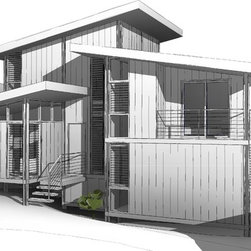
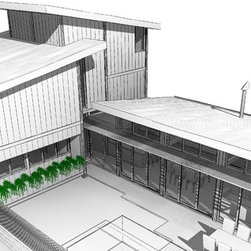
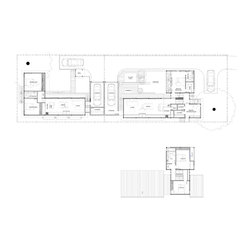
A new dual occupancy is proposed on the site of an existing dilapidated house. The new project will remove existing retaining walls to return the tiered landform to its former topography and the new structures will step with the slope of the land. A steel frame structure is proposed with a regional aesthetic of steel cladding and hardwood timber floors and decking.
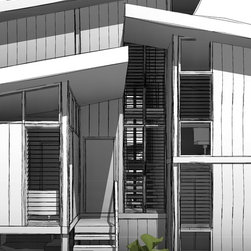
The two dwellings are proposed to be located one behind the other to allow the living spaces and courtyards to be oriented to the North, capturing solar access throughout the day. Carefully designed roof overhangs and shading devices maximise solar access throughout winter months whilst blocking out direct sunlight during the summer months thus reducing the need for active heating and cooling. Ceiling fans and extensive use of louvre windows further improve the passive design aspects of the building.
Sustainable design was a critical consideration in the design of the building and in addition to the passive heating and cooling design features a small photovoltaic system is proposed as well as an extensive amount of rainwater harvesting to meet all the sites irrigation, toilet flushing and other water uses minimising the sites demand for town water supply and reducing the amount of stormwater runoff from the site.
The two dwellings are proposed to be located one behind the other to allow the living spaces and courtyards to be oriented to the North, capturing solar access throughout the day. Carefully designed roof overhangs and shading devices maximise solar access throughout winter months whilst blocking out direct sunlight during the summer months thus reducing the need for active heating and cooling. Ceiling fans and extensive use of louvre windows further improve the passive design aspects of the building.
Sustainable design was a critical consideration in the design of the building and in addition to the passive heating and cooling design features a small photovoltaic system is proposed as well as an extensive amount of rainwater harvesting to meet all the sites irrigation, toilet flushing and other water uses minimising the sites demand for town water supply and reducing the amount of stormwater runoff from the site.