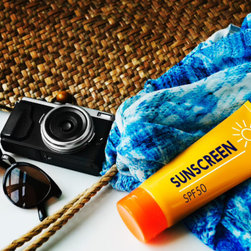
Here are 4 Sun Protection Myths to Leave Behind This Summer
As the sun shines brighter and temperatures rise, summer has officially arrived! It's a season filled with beach days, road trips, and exciting vacations, but it also means longer sun exposure and spending more time outdoors. While sun protection is essential throughout the year, it becomes even more crucial during the summer when people spend more hours outside.
Sunscreen is widely recognized as one of the most important forms of sun protection, but there are still harmful misconceptions and myths surrounding it.
Myth #1: Sunscreen is Only Necessary on Sunny Days
Summer days are often sunny, but there will also be a few rainy and cloudy days scattered around. Many people believe that sunscreen is unnecessary on these less sunny days, but that is completely incorrect. Even when the sun isn't visibly shining, harmful UV rays can still be strong and cause damage.
Clouds provide limited protection against UV rays as more than 80% of these rays can penetrate through clouds. That means that your skin remains at risk of sun damage even on cloudy days. It's important to remember that UV rays are not directly proportional to visible light.
Myth #2: Darker Skin Tones Don't Require Sunscreen
This misconception is dangerous and has persisted for too long. While individuals with darker skin tones may have more melanin, which provides some natural protection against the sun, it is not enough to fully shield them from UV rays and sun damage.
People with more melanin may have a lower risk of sunburn, but they are still susceptible to other signs of sun damage like premature aging, hyperpigmentation, and even skin cancer. This is because UV-A rays have longer wavelengths, allowing them to penetrate deeper into the skin and cause significant damage in the lower layers. The bottom line is that everyone, regardless of skin tone, needs to wear sunscreen.
Myth #3: Applying Sunscreen Once a Day is Sufficient
While applying sunscreen is a crucial step for sun protection, a single application may not provide enough coverage for the entire day. Many sunscreen brands have improved their formulations to be more long-lasting, but factors like excessive oil production, physical contact, sweating, and more can compromise its effectiveness.
It is important to regularly reapply sunscreen throughout the day, especially when spending extended periods outside or engaging in activities that may cause sweating. Dermatologists and experts recommend reapplying every 2 hours, but more frequent reapplication may be necessary during water activities or excessive sweating.
Myth #4: Sunscreen is the Sole Form of Sun Protection
While sunscreen is the most well-known form of sun protection, it is not the only measure you can take. Simple practices like wearing hats, sunglasses, and protective clothing can enhance your sun protection and safeguard more than just your facial skin. Additionally, carrying an umbrella can provide a shield against harmful rays.
If you’re looking for more ways to protect yourself from the sun this summer, download the Temu mobile app and explore our wide selection of affordable and high-quality products!
Sunscreen is widely recognized as one of the most important forms of sun protection, but there are still harmful misconceptions and myths surrounding it.
Myth #1: Sunscreen is Only Necessary on Sunny Days
Summer days are often sunny, but there will also be a few rainy and cloudy days scattered around. Many people believe that sunscreen is unnecessary on these less sunny days, but that is completely incorrect. Even when the sun isn't visibly shining, harmful UV rays can still be strong and cause damage.
Clouds provide limited protection against UV rays as more than 80% of these rays can penetrate through clouds. That means that your skin remains at risk of sun damage even on cloudy days. It's important to remember that UV rays are not directly proportional to visible light.
Myth #2: Darker Skin Tones Don't Require Sunscreen
This misconception is dangerous and has persisted for too long. While individuals with darker skin tones may have more melanin, which provides some natural protection against the sun, it is not enough to fully shield them from UV rays and sun damage.
People with more melanin may have a lower risk of sunburn, but they are still susceptible to other signs of sun damage like premature aging, hyperpigmentation, and even skin cancer. This is because UV-A rays have longer wavelengths, allowing them to penetrate deeper into the skin and cause significant damage in the lower layers. The bottom line is that everyone, regardless of skin tone, needs to wear sunscreen.
Myth #3: Applying Sunscreen Once a Day is Sufficient
While applying sunscreen is a crucial step for sun protection, a single application may not provide enough coverage for the entire day. Many sunscreen brands have improved their formulations to be more long-lasting, but factors like excessive oil production, physical contact, sweating, and more can compromise its effectiveness.
It is important to regularly reapply sunscreen throughout the day, especially when spending extended periods outside or engaging in activities that may cause sweating. Dermatologists and experts recommend reapplying every 2 hours, but more frequent reapplication may be necessary during water activities or excessive sweating.
Myth #4: Sunscreen is the Sole Form of Sun Protection
While sunscreen is the most well-known form of sun protection, it is not the only measure you can take. Simple practices like wearing hats, sunglasses, and protective clothing can enhance your sun protection and safeguard more than just your facial skin. Additionally, carrying an umbrella can provide a shield against harmful rays.
If you’re looking for more ways to protect yourself from the sun this summer, download the Temu mobile app and explore our wide selection of affordable and high-quality products!