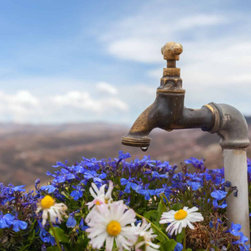
Plumbing Concerns: A Springtime Survival Guide
Spring carries so much magic. It’s no surprise that this season is many people's favorite time of the year. When you ask people about spring, some talk about the freshness of fantastic weather. Others give the smell of blooming flowers and the feeling of the cool breeze on their skin as their answers. However, regardless of all this positivity, when it comes to plumbing, spring isn’t all roses and fresh-cut grass.
Spring comes with many plumbing problems, and the reasons for this are not far-fetched. This season features several temperature swings and most of all, it’s also that time where you begin to witness the damage that previous harsh seasons have done to your drains and pipes.
This situation is why you need to inspect your plumbing systems thoroughly. This way, you can identify any changes that can grow into a larger malfunction of your pipes and drains. And let’s be honest, nobody wants to deal with a leaking tap or even a flooded kitchen. So, if you need tips on how to avoid typical springtime plumbing issues, you’re in the right place. Read on as we discuss how to survive common spring plumbing issues.
Routine Maintenance Tasks Landlords Can Do During Spring
As a landlord, checking your property for damage from damp, cold, and frost should be at the top of your list when spring starts to bloom. This way, you can detect any problems early and prevent your building from sustaining significant damage.
You can also save time and money in the long run. So, while the weather gets kinder and the days get longer, here are maintenance tasks for you to get on as a landlord.
1. Checking for Leaks
Look for leaks in all pipes, faucets, and appliances that use water. If you see any damage or cracks when you look outside, there could be a leak or seepage of water. During winter, your plumbing can suffer greatly, especially if you don’t insulate your plumbing fixtures adequately. Remember that when you repair leaks on time, you can save your tenants' water bills and protect the property from water damage.
2. Inspecting Outdoor Faucets
One common problem with outdoor faucets is that they can sustain some damage during winter. That’s why you should inspect these pipes and faucets for damage before turning on your outside water supply. If you notice any leaks or damage, repair them quickly to stop your water from wasting water and any further damage to your house. It’s also a good idea to maintain open communication with your property manager to help prevent minor problems from escalating into more significant expenses.
3. Cleaning Gutters
One of the worst things that can happen to your building in spring is clogged drains and sewers. Apart from the fact that it makes living difficult, subsequent water damage could cause harmful mold growth to form. So make sure you empty the gutters and downspouts of any debris that winter has brought over the winter. Make it a tradition too among you and your tenants to clean the gutters at regular intervals.
4 Eco-Friendly Solutions for Homeowners to Conserve Water Bills
Our environment needs us now more than ever. With natural resources diminishing by the day and global warming increasing, conserving water has become a responsibility expected from us all. This then begs the question, what is the best way to conserve water bills in today’s world?
As a homeowner, finding and using eco-friendly means to upgrade your plumbing system can significantly contribute to this endeavor. Continue reading as we discuss 4 solutions that can help you conserve water and still protect the environment.
1. Auxiliary flow units and shower heads
An easy and effective way to conserve water in your home is to install low-flow showerheads and faucets. These fixtures consume less water while keeping the same water pressure as regular models. You can even get unique low-flow showerheads and faucets that give you the illusion that your water flow is strong while using less water.
2. Dual flush toilets
You’ll see two flushing choices on a dual-flush toilet—don’t be surprised. There’s one for liquid waste and another for solid waste. The whole idea behind this is to flush liquid waste with less water. In the long run, you save water and lower your water bills. Experts have revealed that you can save up to 68% of water when you use dual-flush toilets compared to traditional toilets.
3. Repairing leaks
We all have those parts in the house that are always leaking. It could be the tap of your kitchen or the shower pipe in your bathroom. One thing you should know about plumbing leaks is that, over time, they can waste a lot of water. So don’t be surprised when your water bills increase by the month.
Whether it's a leaking water line or a dripping tap, don’t waste time to point out and repair the leak. It’s as simple as tightening a loose connection or replacing a worn-out washer. When you do this, you reduce the water you use and prevent damage to your house. Everyone’s happy at the end of the day.
4. Put systems in place for recycling greywater
Have you ever heard of greywater recycling? It’s a creative, eco-friendly plumbing option. Basically, greywater is the wastewater you get from chores like dishwashing, taking showers, and doing laundry. So, to recycle this water, all you need to do is use it for non-potable uses like irrigation and toilet flushing. Building a greywater recycling system is as easy as that. Doing this reduces the strain on municipal water treatment systems while still championing water conservation.
Conclusion
As a landlord, your job never ends. Nevertheless, there are certain seasons of the year when basic maintenance is more important than others - and spring is one of them. When this season begins, it’s on you to make sure your renters are at ease and that your building is in top shape. As daunting as it can be, these suggestions we’ve given you above will ensure that your home remains free of plumbing issues this spring and year-round.
Spring comes with many plumbing problems, and the reasons for this are not far-fetched. This season features several temperature swings and most of all, it’s also that time where you begin to witness the damage that previous harsh seasons have done to your drains and pipes.
This situation is why you need to inspect your plumbing systems thoroughly. This way, you can identify any changes that can grow into a larger malfunction of your pipes and drains. And let’s be honest, nobody wants to deal with a leaking tap or even a flooded kitchen. So, if you need tips on how to avoid typical springtime plumbing issues, you’re in the right place. Read on as we discuss how to survive common spring plumbing issues.
Routine Maintenance Tasks Landlords Can Do During Spring
As a landlord, checking your property for damage from damp, cold, and frost should be at the top of your list when spring starts to bloom. This way, you can detect any problems early and prevent your building from sustaining significant damage.
You can also save time and money in the long run. So, while the weather gets kinder and the days get longer, here are maintenance tasks for you to get on as a landlord.
1. Checking for Leaks
Look for leaks in all pipes, faucets, and appliances that use water. If you see any damage or cracks when you look outside, there could be a leak or seepage of water. During winter, your plumbing can suffer greatly, especially if you don’t insulate your plumbing fixtures adequately. Remember that when you repair leaks on time, you can save your tenants' water bills and protect the property from water damage.
2. Inspecting Outdoor Faucets
One common problem with outdoor faucets is that they can sustain some damage during winter. That’s why you should inspect these pipes and faucets for damage before turning on your outside water supply. If you notice any leaks or damage, repair them quickly to stop your water from wasting water and any further damage to your house. It’s also a good idea to maintain open communication with your property manager to help prevent minor problems from escalating into more significant expenses.
3. Cleaning Gutters
One of the worst things that can happen to your building in spring is clogged drains and sewers. Apart from the fact that it makes living difficult, subsequent water damage could cause harmful mold growth to form. So make sure you empty the gutters and downspouts of any debris that winter has brought over the winter. Make it a tradition too among you and your tenants to clean the gutters at regular intervals.
4 Eco-Friendly Solutions for Homeowners to Conserve Water Bills
Our environment needs us now more than ever. With natural resources diminishing by the day and global warming increasing, conserving water has become a responsibility expected from us all. This then begs the question, what is the best way to conserve water bills in today’s world?
As a homeowner, finding and using eco-friendly means to upgrade your plumbing system can significantly contribute to this endeavor. Continue reading as we discuss 4 solutions that can help you conserve water and still protect the environment.
1. Auxiliary flow units and shower heads
An easy and effective way to conserve water in your home is to install low-flow showerheads and faucets. These fixtures consume less water while keeping the same water pressure as regular models. You can even get unique low-flow showerheads and faucets that give you the illusion that your water flow is strong while using less water.
2. Dual flush toilets
You’ll see two flushing choices on a dual-flush toilet—don’t be surprised. There’s one for liquid waste and another for solid waste. The whole idea behind this is to flush liquid waste with less water. In the long run, you save water and lower your water bills. Experts have revealed that you can save up to 68% of water when you use dual-flush toilets compared to traditional toilets.
3. Repairing leaks
We all have those parts in the house that are always leaking. It could be the tap of your kitchen or the shower pipe in your bathroom. One thing you should know about plumbing leaks is that, over time, they can waste a lot of water. So don’t be surprised when your water bills increase by the month.
Whether it's a leaking water line or a dripping tap, don’t waste time to point out and repair the leak. It’s as simple as tightening a loose connection or replacing a worn-out washer. When you do this, you reduce the water you use and prevent damage to your house. Everyone’s happy at the end of the day.
4. Put systems in place for recycling greywater
Have you ever heard of greywater recycling? It’s a creative, eco-friendly plumbing option. Basically, greywater is the wastewater you get from chores like dishwashing, taking showers, and doing laundry. So, to recycle this water, all you need to do is use it for non-potable uses like irrigation and toilet flushing. Building a greywater recycling system is as easy as that. Doing this reduces the strain on municipal water treatment systems while still championing water conservation.
Conclusion
As a landlord, your job never ends. Nevertheless, there are certain seasons of the year when basic maintenance is more important than others - and spring is one of them. When this season begins, it’s on you to make sure your renters are at ease and that your building is in top shape. As daunting as it can be, these suggestions we’ve given you above will ensure that your home remains free of plumbing issues this spring and year-round.