Understanding Cantilever Racking Systems: A Comprehensive Guide
In the world of warehouse and industrial storage, efficient organization and maximization of space are crucial for operational success. One of the most effective solutions for storing long items like lumber, pipes, steel, and other bulky goods is the cantilever racking system. This article will delve into the specifics of cantilever racking systems, including their design, benefits, applications, and maintenance.
What is a Cantilever Racking System?
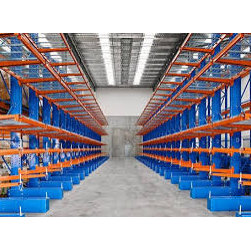
A cantilever racking system is a type of storage solution that features vertical columns with arms extending from the sides. This design allows for the storage of long and heavy items without obstructing the front access to the items. Unlike traditional shelving systems, which rely on a series of horizontal shelves, cantilever racks accommodate bulky materials, enhancing storage flexibility and accessibility.
Components of Cantilever Racking Systems
A standard cantilever racking system consists of several key components:
Vertical Columns: The main structure providing support. They are usually made from heavy-duty steel, offering durability and stability.
Cantilever Arms: These extend outward from the vertical columns, providing a horizontal platform to hold goods. Arms come in various lengths and capacities to accommodate different materials.
Base Supports: These components secure the vertical posts to the ground, ensuring the entire structure remains stable during loading and unloading.
Bracing: Diagonal bracing is often included to enhance structural integrity and maintain the system's stability.
Types of Cantilever Racking Systems
Cantilever racking systems can be categorized based on specific needs and applications:
Single-Sided Cantilever Racks: These racks have arms extending from one side of the vertical column. They are typically used against a wall or in aisles where access is from one side only.
Double-Sided Cantilever Racks: These systems feature arms extending from both sides of the vertical columns, allowing access from both directions. They are ideal for central aisles and high-traffic areas in larger warehouses.
Adjustable Cantilever Racks: These racks allow for height adjustments of the arms, providing flexibility to store items of various sizes. This adaptability is beneficial for businesses with diverse inventory.
Mobile Cantilever Racks: These are mounted on wheeled bases, enabling movement within the warehouse. They are ideal for operations requiring frequent reconfiguration of storage layouts.
Benefits of Cantilever Racking Systems
1. Maximization of Vertical Space
One of the biggest advantages of cantilever racking systems is their ability to maximize vertical space. Since they can be built taller than conventional shelving, warehouses can accommodate more inventory without needing a larger footprint.
2. Enhanced Accessibility
Cantilever racks are designed for easy access. The open design allows for straightforward loading and unloading of materials with forklifts or other equipment. This accessibility can significantly decrease handling times and improve productivity.
3. Flexibility in Storage
The modular nature of cantilever racking systems allows for flexibility in storage solutions. Businesses can adjust the height, depth, and configuration of their racks to meet changing inventory needs without significant reconstruction.
4. Safety and Stability
With proper installation and maintenance, cantilever racking systems provide stable support for heavy loads. Many systems come with safety features like reinforced arms and additional bracing, ensuring the safety of workers and materials.
5. Cost-Effectiveness
Although the initial investment in a cantilever racking system can be substantial, the long-term benefits typically outweigh the costs. Enhanced space utilization and increased efficiency often lead to higher productivity and profitability.
Applications of Cantilever Racking Systems
Cantilever racking systems are versatile and find applications across various industries:
Lumber and Building Materials: Ideal for holding long pieces of lumber, drywall, and steel piping.
Manufacturing: Used to store raw materials and finished goods, optimizing space in factories.
Distribution Centers: Perfect for distributing industrial products and goods that are not standardized in size or shape.
Home Improvement Retail: Used extensively in stores selling construction materials and home improvement items.
Best Practices for Maintenance
To maximize the efficiency and longevity of cantilever racking systems, regular maintenance is essential:
1. Routine Inspections
Conduct regular inspections to identify any signs of wear, damage, or structural issues. Look for bent arms, damaged columns, or signs of rust.
2. Load Management
Ensure that all loads comply with the manufacturer's specifications regarding weight limits and distribution. Overloading can jeopardize the safety and integrity of the racking system.
3. Proper Training
Train employees on the correct procedures for loading and unloading materials. Proper techniques can minimize the risk of accidents and damage.
4. Immediate Repairs
Address any repairs promptly to prevent further damage or safety hazards. If any component is found to be defective, it should be replaced immediately.
5. Regular Cleaning
Keep the area around the cantilever rack clear of debris to maintain a safe working environment. A clean and organized space reduces the risk of accidents.
Conclusion
Cantilever racking systems offer a unique and efficient solution for storing long and bulky items. Their design maximizes vertical space and enhances accessibility, making them invaluable in a variety of industries. By understanding the components, benefits, and maintenance requirements of cantilever racking systems, businesses can optimize their storage solutions and significantly improve their operational efficiencies. As industries continue to evolve, investing in a robust cantilever racking system could be key to staying competitive and meeting the demands of the market.
What is a Cantilever Racking System?
A cantilever racking system is a type of storage solution that features vertical columns with arms extending from the sides. This design allows for the storage of long and heavy items without obstructing the front access to the items. Unlike traditional shelving systems, which rely on a series of horizontal shelves, cantilever racks accommodate bulky materials, enhancing storage flexibility and accessibility.
Components of Cantilever Racking Systems
A standard cantilever racking system consists of several key components:
Vertical Columns: The main structure providing support. They are usually made from heavy-duty steel, offering durability and stability.
Cantilever Arms: These extend outward from the vertical columns, providing a horizontal platform to hold goods. Arms come in various lengths and capacities to accommodate different materials.
Base Supports: These components secure the vertical posts to the ground, ensuring the entire structure remains stable during loading and unloading.
Bracing: Diagonal bracing is often included to enhance structural integrity and maintain the system's stability.
Types of Cantilever Racking Systems
Cantilever racking systems can be categorized based on specific needs and applications:
Single-Sided Cantilever Racks: These racks have arms extending from one side of the vertical column. They are typically used against a wall or in aisles where access is from one side only.
Double-Sided Cantilever Racks: These systems feature arms extending from both sides of the vertical columns, allowing access from both directions. They are ideal for central aisles and high-traffic areas in larger warehouses.
Adjustable Cantilever Racks: These racks allow for height adjustments of the arms, providing flexibility to store items of various sizes. This adaptability is beneficial for businesses with diverse inventory.
Mobile Cantilever Racks: These are mounted on wheeled bases, enabling movement within the warehouse. They are ideal for operations requiring frequent reconfiguration of storage layouts.
Benefits of Cantilever Racking Systems
1. Maximization of Vertical Space
One of the biggest advantages of cantilever racking systems is their ability to maximize vertical space. Since they can be built taller than conventional shelving, warehouses can accommodate more inventory without needing a larger footprint.
2. Enhanced Accessibility
Cantilever racks are designed for easy access. The open design allows for straightforward loading and unloading of materials with forklifts or other equipment. This accessibility can significantly decrease handling times and improve productivity.
3. Flexibility in Storage
The modular nature of cantilever racking systems allows for flexibility in storage solutions. Businesses can adjust the height, depth, and configuration of their racks to meet changing inventory needs without significant reconstruction.
4. Safety and Stability
With proper installation and maintenance, cantilever racking systems provide stable support for heavy loads. Many systems come with safety features like reinforced arms and additional bracing, ensuring the safety of workers and materials.
5. Cost-Effectiveness
Although the initial investment in a cantilever racking system can be substantial, the long-term benefits typically outweigh the costs. Enhanced space utilization and increased efficiency often lead to higher productivity and profitability.
Applications of Cantilever Racking Systems
Cantilever racking systems are versatile and find applications across various industries:
Lumber and Building Materials: Ideal for holding long pieces of lumber, drywall, and steel piping.
Manufacturing: Used to store raw materials and finished goods, optimizing space in factories.
Distribution Centers: Perfect for distributing industrial products and goods that are not standardized in size or shape.
Home Improvement Retail: Used extensively in stores selling construction materials and home improvement items.
Best Practices for Maintenance
To maximize the efficiency and longevity of cantilever racking systems, regular maintenance is essential:
1. Routine Inspections
Conduct regular inspections to identify any signs of wear, damage, or structural issues. Look for bent arms, damaged columns, or signs of rust.
2. Load Management
Ensure that all loads comply with the manufacturer's specifications regarding weight limits and distribution. Overloading can jeopardize the safety and integrity of the racking system.
3. Proper Training
Train employees on the correct procedures for loading and unloading materials. Proper techniques can minimize the risk of accidents and damage.
4. Immediate Repairs
Address any repairs promptly to prevent further damage or safety hazards. If any component is found to be defective, it should be replaced immediately.
5. Regular Cleaning
Keep the area around the cantilever rack clear of debris to maintain a safe working environment. A clean and organized space reduces the risk of accidents.
Conclusion
Cantilever racking systems offer a unique and efficient solution for storing long and bulky items. Their design maximizes vertical space and enhances accessibility, making them invaluable in a variety of industries. By understanding the components, benefits, and maintenance requirements of cantilever racking systems, businesses can optimize their storage solutions and significantly improve their operational efficiencies. As industries continue to evolve, investing in a robust cantilever racking system could be key to staying competitive and meeting the demands of the market.