

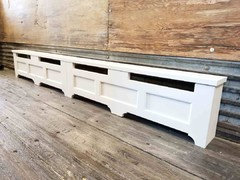
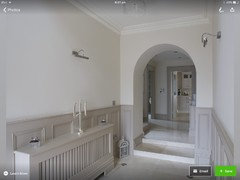
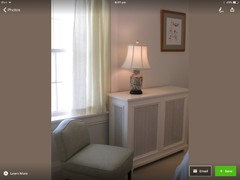
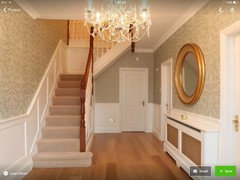
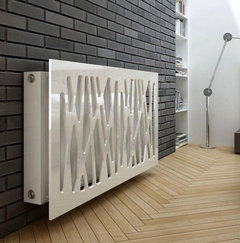
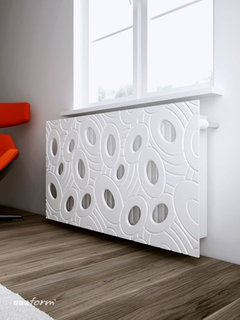
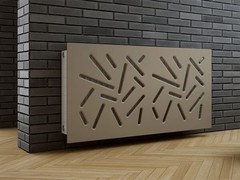
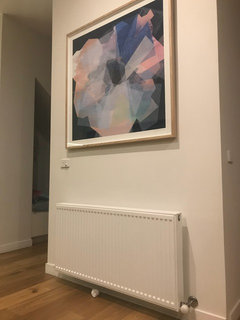
hydronic heating panels and how to decorate around them!
8 years ago
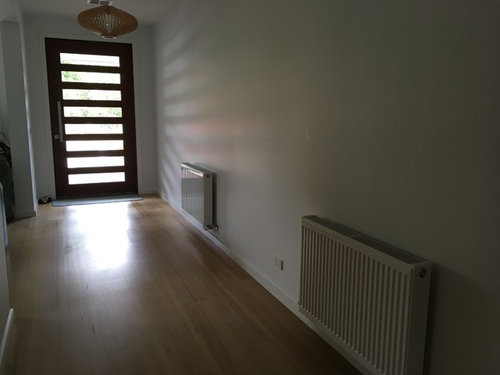
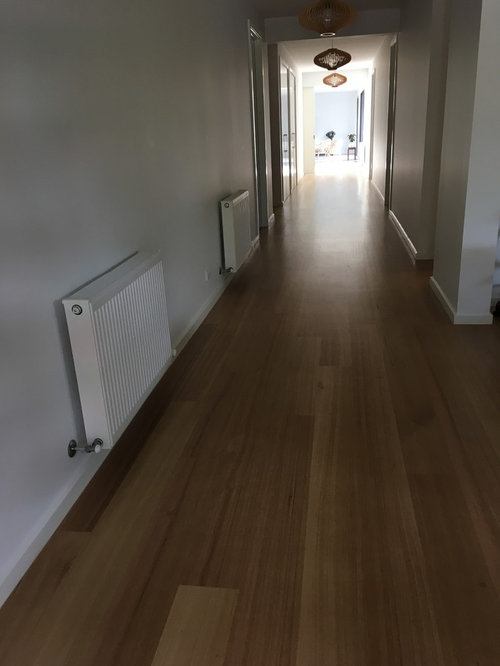
Featured Answer
Sort by:Oldest
Comments (10)
Related Discussions
Heating: split systems with a gas log fire vs. hydronic panels- new b
Comments (10)As Australias largest supplier of hydronic heating, we have been providing Australian homes with stylish, safe and comfortable hydronic heating and cooling solutions. As exclusive stockists of an extensive range of premium products, we ensure that all homes can enjoy the benefits of a low carbon, energy efficient system. We have just released an industry leading guide on Underfloor Heating, that contains information for both homeowners and installers, I believe the content within would be the perfect for many commenters on this post. If you're unsure on how to proceed with your project I recommend you take full advantage of our personalised consultation service, available for both homeowners and installers. Using the latest design software and coupled with the expertise of our Customer Service Team, you can rest easy knowing that we’ll design a bespoke solution that delivers superior comfort that is also environmentally friendly and energy efficient. If you would like a copy please email me on sophieo@huntheat.com.au, alternatively head to our blog to download a copy: Hunt Heating Blog...See MoreHydronic towel rails...do they work?
Comments (4)Hi Dusty Hydronic towel rails can be a great alternative to traditional panels in a bathroom. There is a huge range of design and budget options on the market. The main difference between a traditional panel and a hydronic towel rail is the way it projects the heat into the room. A traditional panel is mostly convection (around 20% radiant heat) so the heat is released through the top of the panel up to the ceiling then forced back down the heat the room. A hydronic towel rail will be purely radiant as it doesn't have the vents on top. With regards to to heating up the room is always best to oversized with a towel rail mainly because depending what finish you go with the coatings may affect the heat output and also as soon as you start putting towels on them your blocking the heat, you will end up with nice warm dry towels but not necessarily a warm bathroom. I hope you found this useful :)...See MoreElectric underfloor heating in Kitchen with engineered wood on slab?
Comments (7)@wayne For hydronics talk to Gary Flood at the Enter Shop. They are in Melbourne but he has installers everywhere. http://www.enter-shop.com.au/ Alternatively Alex at AJs Plumbing http://www.ajsplumbing.com.au/ We generally do in-slab hydronics but have also done it inside a rammed earth wall (at our office so feel free to come and look) and underneath a timber floor (several times including in our office). Insulation is critical. In a slab make sure you insulate the slab edge as well as the underside. When we talk of hydronics we generally use heat pumps to create the hot water (it's free to run if powered by PV). You mentioned wetback stoves (wood powered heating). In my view timber is only a viable option in rural settings. In (sub)urban settings the particulate pollution is a serious health issue and there is a fair chance that at some stage woodstoves will not be permitted by urban Councils. You finished by talking of ducted air conditioning. Regardless of the technology used to generate the heat/coolth, ducted systems are inherently inefficient and, in my view, should be avoided at all costs. The heat pumps can be great but the principle of pushing heated air around requires pump energy (you have to move large volumes of air). Almost all residential installations have flexiduct (not rigid as in commercial offices), the ductwork (aside from a study showing 80% of them did not meet the Australian Standard insulation code) due to its flexi-nature has lots and lots of curves and bends all of which increase the need for pump energy. This is why is it not possible to get a rated systems as you can with a split system; it is totally dependant on installation quality. You also need to be mindful of condensation issues in ductwork as heated air passes through relatively cold roof spaces, again quality of ductwork can be a big factor here....See MoreNeed help with floor heating
Comments (13)As N.B. Interiors says, do your research if considering underfloor heating. Though they are talking about electric underfloor heating, which is frightfully expensive. The cost of running a hydronic underfloor system will be dependent on the heat source. A heat pump is 4 to 5 times more efficient than standard electric heating. Same technology as an air conditioner, though for the hydronic it's air to water, not air to air. Along with the heat source, there are other things that will effect the running costs. In slab hydronics has very high thermal mass, to very slow reaction times. Also, if the slab is not fully insulated, heat will be lost into the ground. In cool climates, a poorly insulated underfloor system can be very expensive to run. Another option is an in-screen hydronic system. This is where the top of the slab is insulated, hydronic tubing is laid, & a thin screed is poured on top. This system has a lower thermal mass, so faster reaction time. It's also much better insulated, so less susceptible to heat losses. This would be my preferred option. This is what you see on Grand Designs....See More 8 years ago
- 8 years ago

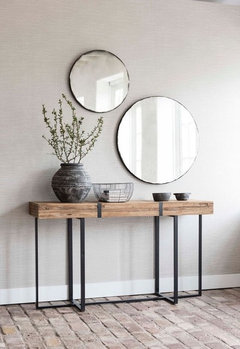
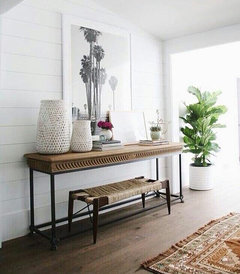






oklouise