

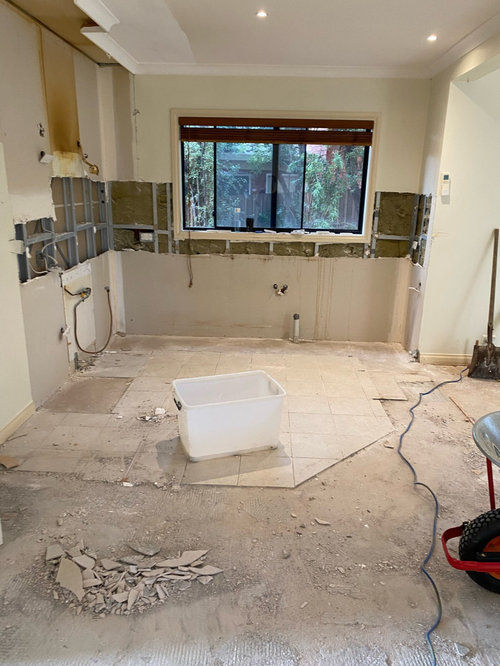
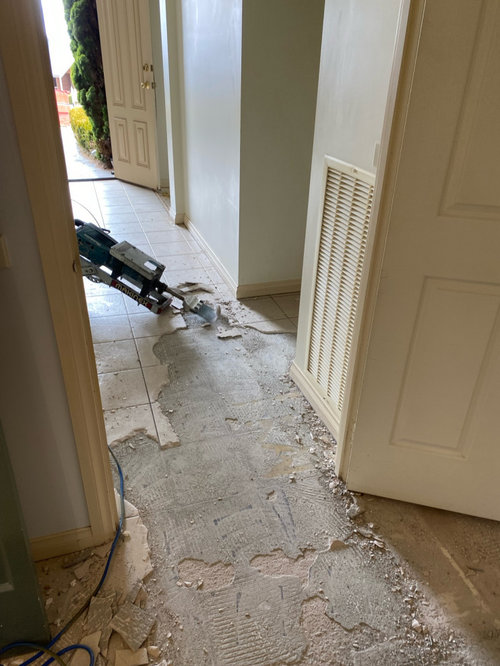
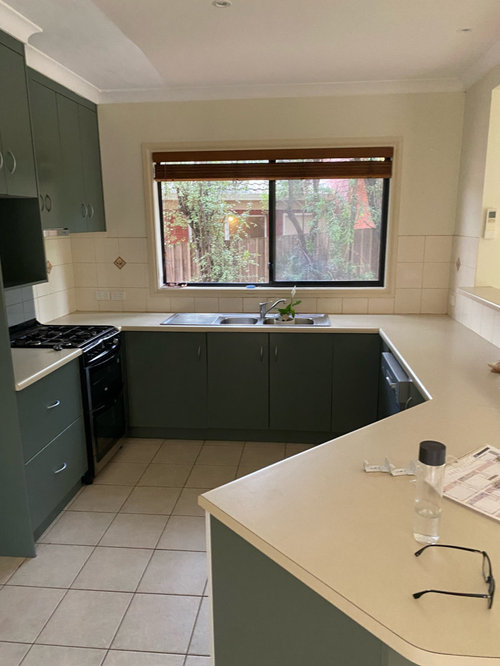
Demo and removing floor tiles
2 years ago
Featured Answer
Sort by:Oldest
Comments (8)
 2 years ago
Related Discussions
Any suggestions re replacing hard tiled floor with something softer?
Comments (8)I've been in the flooring game selling carpets timber vinyl and ceramic tiles for 35 years, you are not the only one with this problem. The best solution is to remove the tiles but this is a big job but gives you 100% job but you probably know this. Bamboo flooring is good but please do your research on this because they are made two different ways Cold press and Hot press and the prices very from $30 - $60 also you will need to ask for the VOC certificate for things like formaldehyde. A lot of the cheaper suppliers do not have there's tested. The other thing that the industry is having but they want tell you is the bamboo is expanding and contracting a lot more in the Australian climate. Sorry to put a damper on bamboo. There is a newer floating floor on the market it has been around for about 7 years it is vinyl 4.5mm to 6mm thick its is good for going over tiles as it does not create to-much of a step and other issues in doors and kitchen...See MoreI have a massive slate tile floor that I hate
Comments (18)Seriously you need to check out the Kerlite cladding. No need to sand, the variety is huge even wood look. All you need to do is put on a thicker screed. As I said you do need a tiler that has laid it before. Once it's down, it will never break. Google it, the range is amazing and really beautiful. I did ask the tiler about using it over slate and he said not a problem. Got mine from tile expo....See MoreWhat colours go with a slate tiled floor?
Comments (28)How funny. I just renovated (on a budget) my small kitchen and added exactly the slate look in tiles you have, though they are in fact porcelain. And I placed them throughout the house for continuity. The tiler asked if I was after a retro hippy look but it doesn't look like that at all. My cupboards were the same colour as yours and I utilised the bones of the kitchen and had the doors and Benchtops changed only. I also have plenty of light in the kitchen but chose white doors and as I was on a budget I chose granite look Benchtops, they are very serviceable and it looks great. The blue backsplash was the colour lift and here you could choose any colour to your liking. Basically the kitchen ended up with white cupboards and appliances other than cooktop, with the stainless cooktop and coloured splash back being the focal point. The paint colour are: whisper white walls, integra splashback, white ceiling and for increased contrast I used the same white above the splashback on the rear wall. I would consider painting out the brick but leaving the texture....See MoreConcrete tiled ground floor, need flooring choice for asthma
Comments (25)Hi Chris The cheapest option is Grind & Seal, but we usually recommend Mechanically Polished Concrete for inside of a home. This is by far a better option, if you were to go for a Matte or Satin finish it is less expensive than a higher gloss finish. Mechanically Polished Concrete does not have a top coat sealer requiring drying and curing time and does not need re-applying in the future which will save time and money in the long run. Because Polished Concrete does not require drying or curing time it can be used as soon as the process is completed unlike the Grind & Seal option. All floors are slippery when wet, a non slip agent can be added to a top coat sealer which would be the Grind & Seal method which we do apply in a shower area if there is not a shower base. Polished Concrete in Matte and Satin finish does have a very good slip rating, has no grout lines as with tiled floors where dust can get trapped therefore it is a wonderful easy to clean flooring solution. Hope this helps, I have provided some details regarding the 2 main processes below There are 2 different finishing processes / methods that are commonly called Polished Concrete, they are very different so it is important that you know the difference & which process/method you want and which is being used on your concrete Polished Concrete - 12 to 17+ step process During this process the concrete is ground to the desired level of stone exposure. After grinding the concrete surface, the Polished Concrete process begins. This process has a densifier applied in multiple stages that is absorbed into the concrete which hardens and strengthens the concrete. A Polished Concrete Floor is Polished in Multiple stages in a Refining Process using diamond tooling & resin pads. A penetrating sealer is applied in the final buffing stage to complete the process The "Polished Concrete" process has "NO TOP COAT SEALER" applied therefore there is no drying or curing time required so your space can be used as soon as the process is completed Grind & Seal (a 3 to 4 step process) This is NOT Polished Concrete. Grind & Seal is often referred to as Polished Concrete, this is the cheaper substitute that gives a "Polished Concrete Look" With the Grind & Seal method the concrete is ground to the desired level of stone exposure and a TOP Coat Sealer is applied such as water based, solvent based, urethane, acrylic or epoxy requiring 5-7 days to dry & cure...See More 2 years ago
- 2 years ago
- 2 years ago
- 2 years ago
- 2 years ago
 2 years ago


dreamer