

Apparel Printing 101: How to Pick the Best Method for Your Design
Choosing the right way to put a design on a shirt is more than just a creative choice. It affects the final look, the feel of the fabric, and how much you will pay. In Singapore, many businesses and groups need custom gear but often feel overwhelmed by the technical options available. This guide helps you navigate the most common techniques to ensure your final product looks professional.
1. Traditional Silk Screen Printing for Bulk Orders
Screen printing is the oldest and most popular method for large batches. It involves creating a stencil on a mesh screen and pushing thick ink through it onto the fabric. This process creates vibrant colours that last a long time, even after many washes. Because the setup takes time, it is best for simple designs with few colours.
For those ordering in high volumes, this method offers the best value for money. It works perfectly on cotton and polyester blends alike. However, keep in mind that each colour requires a separate screen, which can increase the initial cost. Professional setups ensure that the ink application is consistent across hundreds of units.
2. Digital Heat Transfer for Full Colour Graphics
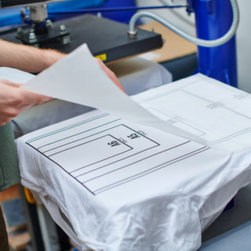
If your design has many gradients or photographic details, digital heat transfer is the ideal solution. This technique involves printing your artwork onto a special carrier film and then pressing it onto the shirt with heat. It allows for an unlimited range of colours without the need for expensive screens. Consequently, it is a great choice for small runs or complex logos.
The finish is thin and flexible, making it comfortable to wear throughout the day. While it is versatile, the quality depends heavily on the equipment used. High-resolution t shirt printing in Singapore utilises modern printers that maintain their integrity without cracking or peeling over time.
3. Direct to Garment Printing for Soft Finishes
Direct to Garment, or DTG, acts much like an office inkjet printer but for clothes. The ink goes directly into the fibres of the fabric rather than sitting on top. This results in a very soft feel that is breathable and perfect for the humid Singapore weather. It is specifically designed for 100% cotton garments to achieve the best ink absorption.
Because there is no physical stencil, you can print one-off designs without a high setup fee. It captures tiny details that other methods might miss. Standard apparel printing services using this technology provide retail-quality results that feel light against the skin.
4. Embroidery for a Premium Corporate Look
Embroidery uses needles and thread to stitch your design directly into the garment. This creates a textured, 3D effect that looks very professional and sophisticated. It is commonly used for polo shirts, jackets, and caps where a high-end appearance is necessary. Unlike ink, thread will never fade or wash away, making it the most durable option.
While it is not suitable for very thin fabrics, it adds a sense of authority to corporate uniforms. The cost is usually based on the "stitch count" rather than the number of colours. Digitising a logo ensures the stitching is clean and legible across various thread types.
5. Vinyl Cutting for Simple Lettering and Numbers
Vinyl printing involves cutting shapes or letters out of a solid sheet of coloured vinyl. A heat press then bonds these shapes to the fabric permanently. This method is the standard choice for sports jerseys, where individual names and numbers are required. It provides a very bold and opaque look that stands out from a distance.
Speciality vinyls are also available, such as reflective, glitter, or metallic finishes. This adds a unique flair that standard ink cannot replicate. Precision cutting tools are used to ensure the typography is perfectly aligned for team wear or event apparel.
Final Thoughts
Selecting the right printing technique depends on your budget, the complexity of your art, and the quantity you need. Whether you want the durability of screen printing or the detail of a digital transfer, understanding these methods ensures a better outcome. By matching your design to the right technology, you save money and get a product that lasts.
For those ready to begin their custom project, the specialists at MonsterPrints are available to provide expert advice on the best techniques for specific design requirements. Interested parties may contact the team through their website to discuss bulk orders or individual customisations. Their staff ensures that every client receives high-quality results tailored to their budget and timeline.