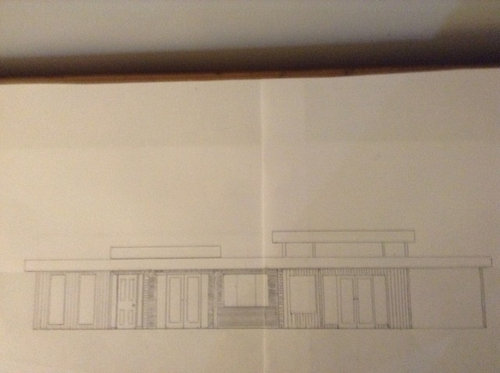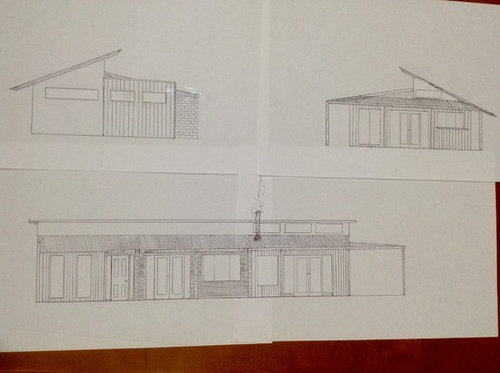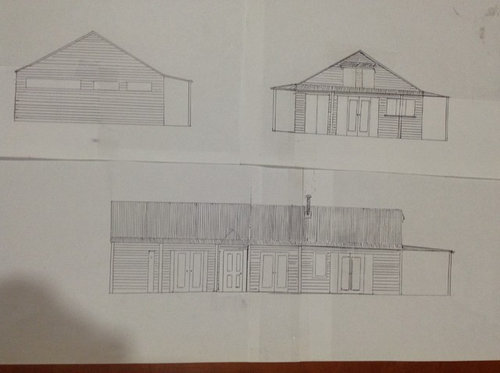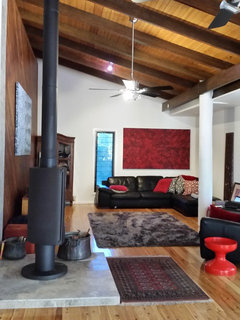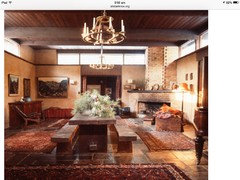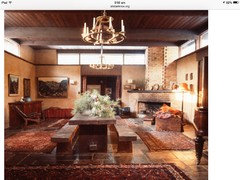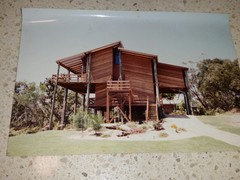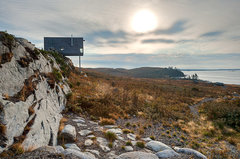
Flat, gable or skillion roof? Or something different?
10 years ago
Featured Answer
Sort by:Oldest
Comments (18)
- 10 years ago
- 10 years ago
Related Discussions
Getting the Best Design for your Patio Cover Outdoor Living Area
Comments (0)Getting the Best Design for your Patio Cover Outdoor Living Area When you are running through your thoughts, options, colours, designs, etc for your new outdoor living area, deck or patio cover; we will guide you through three areas of consideration. These are: Design, Materials & Accessories. By considering these three areas whilst you are investigating the options to enhance your home, it should mean that you will ultimately achieve an outdoor living area, deck or patio cover that is function (by functional I mean an area that I can use all year round), meets your budget & lastly looks great. Today, we are going to focus on the first area - ‘Getting the Best Design for your Patio Cover Outdoor Living Area’. So, what are your design options? Flat Sillion Traditional Gable Hipped Roof Dutch Gable Curved How do you choose the best design for your home? Consider the size of the area you want to cover How will it be connected back into your home? Do you have a high eave line or do you have to fix the patio cover above your existing roof line? As an example, you might not want to then install a gabled roof line if the connection point will already be high as then the patio cover will be too high, could look funny & won’t offer much protection. What’s your budget? A gable might not fit. As a very general rule of thumb, a gable can be double the cost of a flat roofed structure, as you have more material required & it takes longer to install. As an alternative you could still get height within your outdoor living area by using a skillion design. Gables ‘Gables’ can come in a variety of forms - Hipped Roof, Dutch Gable, but the most common is the Traditional gable. One feature that you can include within your gable is to add down lights within the ridge line. This not only cleans up a often dirty or forgotten area but can also make the area more functional so you can use the area in the evening. Think about your accessories within any area. TIP: If you are considering any form of gable, get the balance right. Sometimes a gable can look squashed if the area is too small or too flat if you don’t get the roof pitch right. Refer back to the existing roof pitch of your home & try to match it; this way your outdoor living area or patio cover will look more integrated rather than a ‘slap on’. Flat Its flat - pretty simple. Sometimes, people try to make it all to fancy or complicated. Remember the KISS method (Keep it Simple Stupid), as sometimes simple can sometimes be better in your design. Ensure you have enough height to play with if you are leaning towards a flat roofed pergola. If its too low the area could feel claustrophobic & might not get enough air flow. Skillion I think that a skillion design is sometimes forgotten but can often be the most effective. A skillion is where it is higher at one end & lower at the opposite & it can work really well on a double storey brick wall or even fixed above an existing roof line. A skillion can also give similar benefits of a gable - such as good height & thus air flow, without the cost or complexity of design that sometimes follows with a gable. Curved Roofs Curved patio covers can be used with either a Colorbond or polycarbonate roofing material. We don’t offer a curved design option within our range simply as the amount of homes we just don’t see homes which already have a curved area. To install a curved roof we feel would make it look out of place. I hope this helps you get a better outdoor living area for your home. Remember that all of our material options (detailed below) can be used in any of these design styles. Premium Series Colorbond Insulated Lined Ceilings Louvers Want to find out more? Book a private consultation in our display: https://www.patioland.sydney/book-a-meeting-in-our-display/...See MoreGetting the Best Design for your Patio Cover Outdoor Living Area
Comments (0)When you are running through your thoughts, options, colours, designs, etc for your new outdoor living area, deck or patio cover; we will guide you through three areas of consideration. These are: Design, Materials & Accessories. By considering these three areas whilst you are investigating the options to enhance your home, it should mean that you will ultimately achieve an outdoor living area, deck or patio cover that is function (by functional I mean an area that I can use all year round), meets your budget & lastly looks great. Today, we are going to focus on the first area – ‘Getting the Best Design for your Patio Cover Outdoor Living Area’. So, what are your design options? Flat Sillion Traditional Gable Hipped Roof Dutch Gable Curved How do you choose the best design for your home? Consider the size of the area you want to cover Why? If the area is too small a gable might look out of place for the size of the area. How will it be connected back into your home? Do you have a high eave line or do you have to fix the patio cover above your existing roof line? As an example, you might not want to then install a gabled roof line if the connection point will already be high as then the patio cover will be too high, could look funny & won’t offer much protection. What’s your budget? A gable might not fit. As a very general rule of thumb, a gable can be double the cost of a flat roofed structure, as you have more material required & it takes longer to install. As an alternative you could still get height within your outdoor living area by using a skillion design. Gables: ‘Gables’ can come in a variety of forms – Hipped Roof, Dutch Gable, but the most common is the Traditional gable. One feature that you can include within your gable is to add down lights within the ridge line. This not only cleans up a often dirty or forgotten area but can also make the area more functional so you can use the area in the evening. Think about your accessories early when designing your outdoor living area or patio cover. TIP: If you are considering any form of gable, get the balance right. Sometimes a gable can look squashed if the area is too small or too flat if you don’t get the roof pitch right. Refer back to the existing roof pitch of your home & try to match it; this way your outdoor living area or patio cover will look more integrated rather than a ‘slap on’. Flat: Its flat – pretty simple. Sometimes, people try to make it all to fancy or complicated. Remember the KISS method (Keep it Simple Stupid), as sometimes simple can sometimes be better in your design. Ensure you have enough height to play with if you are leaning towards a flat roofed pergola. If its too low the area could feel claustrophobic & might not get enough air flow. Skillion: I think that a skillion design is sometimes forgotten but can often be the most effective. A skillion is where it is higher at one end & lower at the opposite & it can work really well on a double storey brick wall or even fixed above an existing roof line. A skillion can also give similar benefits of a gable – such as good height & thus air flow, without the cost or complexity of design that sometimes follows with a gable. Curved: Curved patio covers can be used with either a Colorbond or polycarbonate roofing material. We don’t offer a curved design option within our range simply as the amount of homes we just don’t see homes which already have a curved area. To install a curved roof we feel would make it look out of place. I hope this helps you get a better outdoor living area for your home. Remember that all of our material options (detailed below) can be used in any of these design styles. 'Premium Series' Colorbond Insulated Lined Ceilings Louvers Would you like to find out more? Can you entertain our relax outside all year round? Is your BBQ & outdoor furniture always covered? Contact Usto have a discussion about the options available for your home. We highly recommend that you share a coffee with us in our office so you can have a closer look at the products available in our display. We find that this helps our clients a lot as they can get a ‘hands on’ feel for each material option. Our display is by appointment only, so use the link below to book in a suitable time for us to meet one on one to casually discuss your outdoor lifestyle. Book a private consulation in our display - click here...See MoreAdvice on extension where the current roof is pitched and skillion.
Comments (5)Yes, you need to check the planning regulations with your local council. Yes, your neighbour has built to the boundary near the front of the block, but it doesn't affect the light coming into your side facing windows as your house at this point is along way from the boundary. On the other hand your proposed extension is very close to your neighbour's windows and will reduce the amount of light that reaches them. Get your setbacks right before you get your roof designed - you may end up with a lot less roof than you had planned for! Best of luck, Dr Retro of Dr Retro House Calls and Dr Retro Virtual Visits...See MoreExtension - Open Gable Framing Question
Comments (2)Comes down to the engineering solution. The expressed gable end will def require a steel portal frame (for structural rigidity if you want remove the horizontal tie) vs the (slightly) cheaper version which involves more visible structure. Without fully understanding the context/scale/level of finish / existing house etc I'd say it's going to cost you either way if you're doing something like this. Structural costs will be what they will be and it should be more about the design outcome that best aligns with your goals/vision. Timber is not super cheap either these days and structure is just a % component of the overall project and gets embeddeded into the number - it's about what best facilitates the design. It may on balance actually turn out to be much of a muchness in cost either way- exposed timber requires painting and there's more of it whereas concealed steel doesn't. Yes the "steel" isolated will cost more but the value and enjoyment of the end result may be well worth it. Your architect or designer should be able to provide you with this advice/opinion/estimate for the different options . If they can't/haven't then they're not giving you enough information you need to make key decisions for your project. hope this helps best of luck PD www.pauldistefanodesign.com...See More- 10 years ago
- 10 years ago
- 10 years ago
- 10 years ago
- 10 years ago
- 10 years ago
- 10 years ago
- 10 years ago
- 10 years ago
- 10 years ago
- 10 years ago
- 10 years ago
- 10 years ago
- 9 years ago
- 8 years ago


LouieT